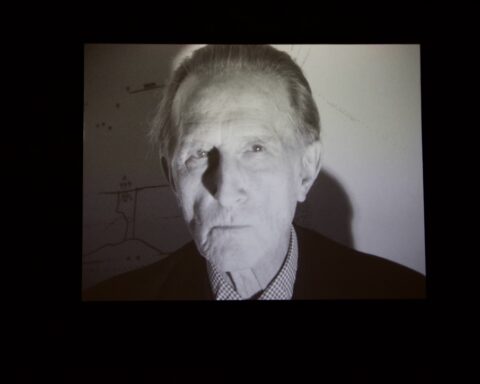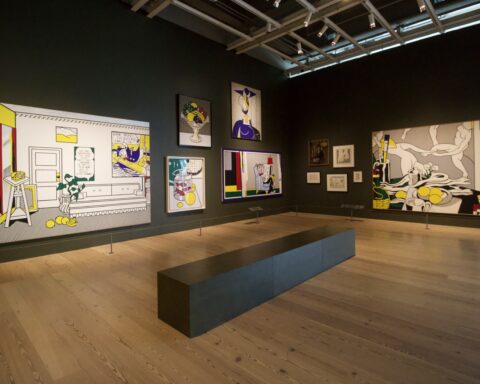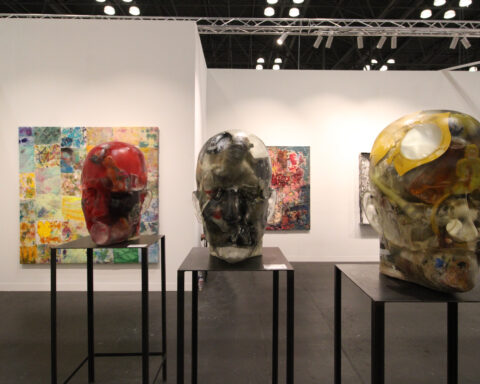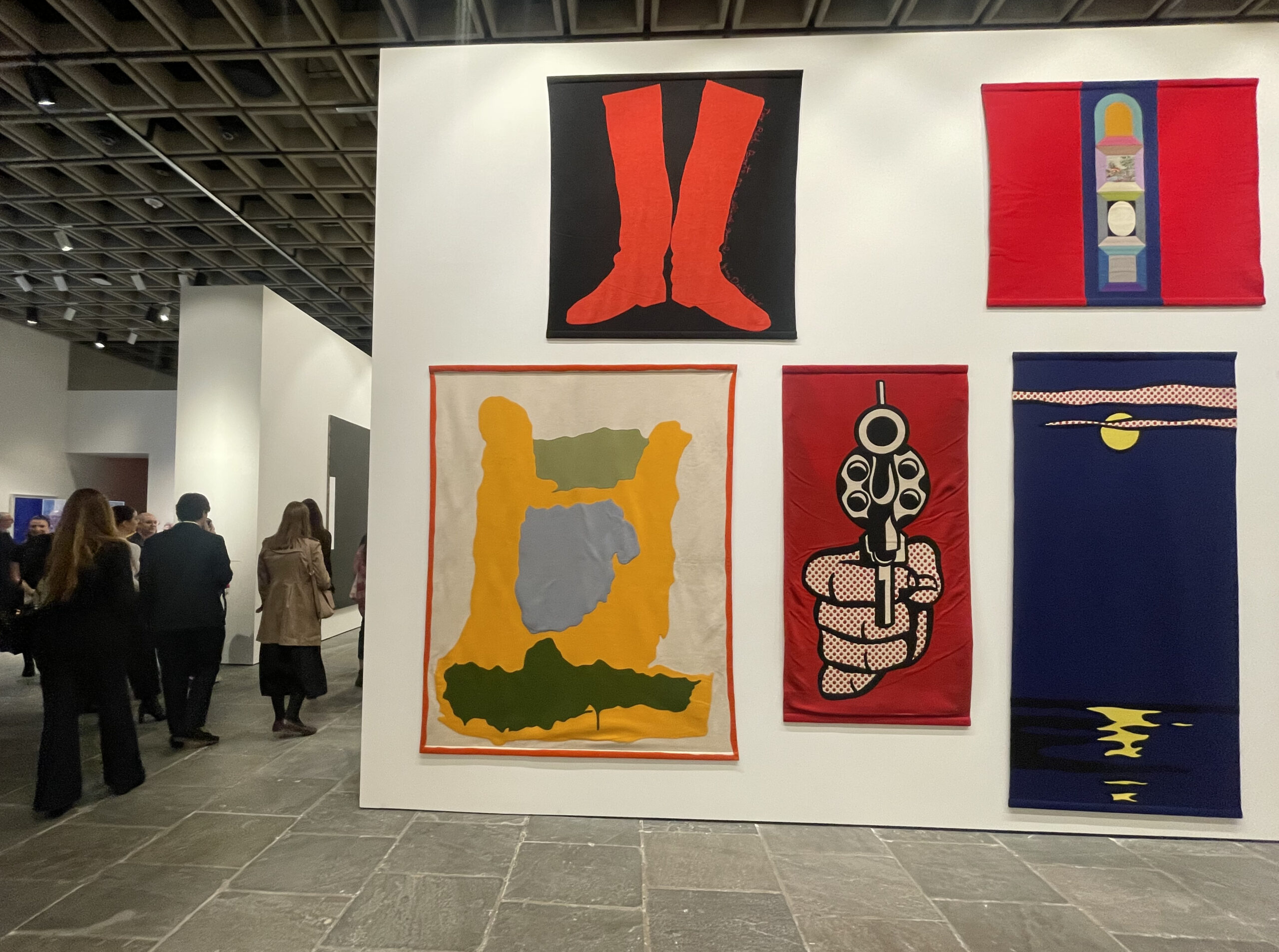
According to what Gary Carrion-Murayari, the Kraus Family Senior Curator of the New Museum and the co-curator of “Arthur Jafa: I Am Tony”, stated at yesterday’s press preview, the museum has been working with artist Arthur Jafa on the creation of this exhibition since 2021.
What a social climate for this exhibit, which is the largest survey thus far of Jafa’s work, to finally come to fruition.
Arthur Jafa’s work could be described as socially and politically conscious, with a focus on the experience of Black people in America. Though his career has stretched across roughly four decades, he came into more mainstream prominence in 2016 with the release of his short film “Love is the Message, The Message is Death”, described in a previous Manic Metallic article as constructing “a portrait of America as experienced by Black people that is at different times searing and celebratory.” That film, released after the November 2016 US presidential election of Donald Trump, laid bare the issues around racism and police brutality that Black Americans face as well as underlining moments of joys and triumphs.
That same president has returned to the White House, and the lives of Americans everywhere — not just Black people — are being made significantly more difficult in ways that would be considered unimaginable under any other administration of the modern era. So it is fitting that the exhibition also include “The White Album” (2018), which was Jafa’s answer to “Love Is The Message, The Message Is Death” that ended up winning a Golden Lion at the Venice Biennale the following year. “The White Album”, a 29:55 film about the lives of white Americans, includes clips such as a white person posing with a long gun, a white guy talking about the driving force behind white supremacy, a white woman making one of the famous “I’m not racist, but….” arguments, and an arrested white man yelling racist expletives at a Black female police officer. One of the more disturbing moments during the film came when a white man says “Someday I swear, we’re gonna go to a place where we can do everything we want to.” This is followed by footage of white supremacist mass murderer Dylann Roof entering the church where he would commit his vile acts against the parishioners of Emanuel African Methodist Episcopal Church in Charleston, South Carolina.
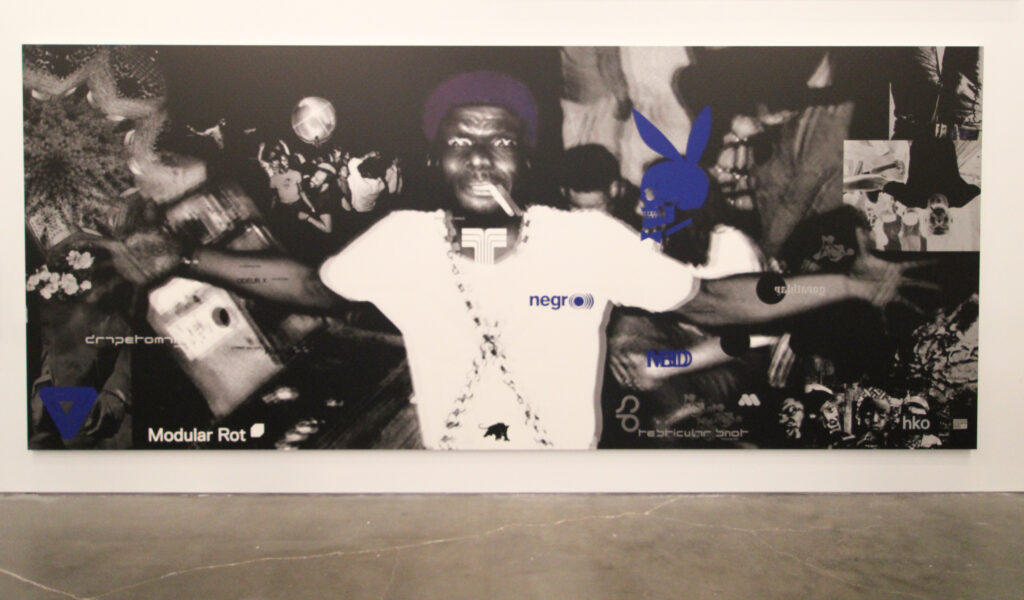
Jafa’s artistic point of view is one that is sorely needed in the current social landscape, but it is important that attendees to “Arthur Jafa: I Am Tony” take note of the other works spanning his four-decade career if they are wanting to understand the Mississippi-born artist in a more comprehensive way. Spread over two floors, the exhibition includes painting, sculpture, large-scale film and video, and photography. In a recent issue of our newsletter, we discussed how culture and references tie together, stating that “Every work of art is a combining of references molded into a creative piece of work by its creators, who themselves bring into it their own personal experiences.” This exhibition gives visitors a wide look at what Jafa tends to reference, and how he combines those references into what is displayed at the New Museum. He pulls references from different subgenres of music, cinema, and Internet culture to further his mission of interpreting Black life through his work while confronting those institutions which stymie Black progress. It was particularly interesting to see that he pulls inspiration from punk and metal musicians such as the Sex Pistols, Iggy Pop, and who appears [in the artwork “Black Metal” (2024)] to be RAVN, the vocalist for the black metal band 1349. When you look at the work itself, you notice that Jafa is not a collagist, per se, but he does have a collage mindset. He puts together these seemingly unrelated videos and images from separate moments — but then, these things he puts together end up creating a coherent narrative. That’s not an easy thing to do by any stretch.
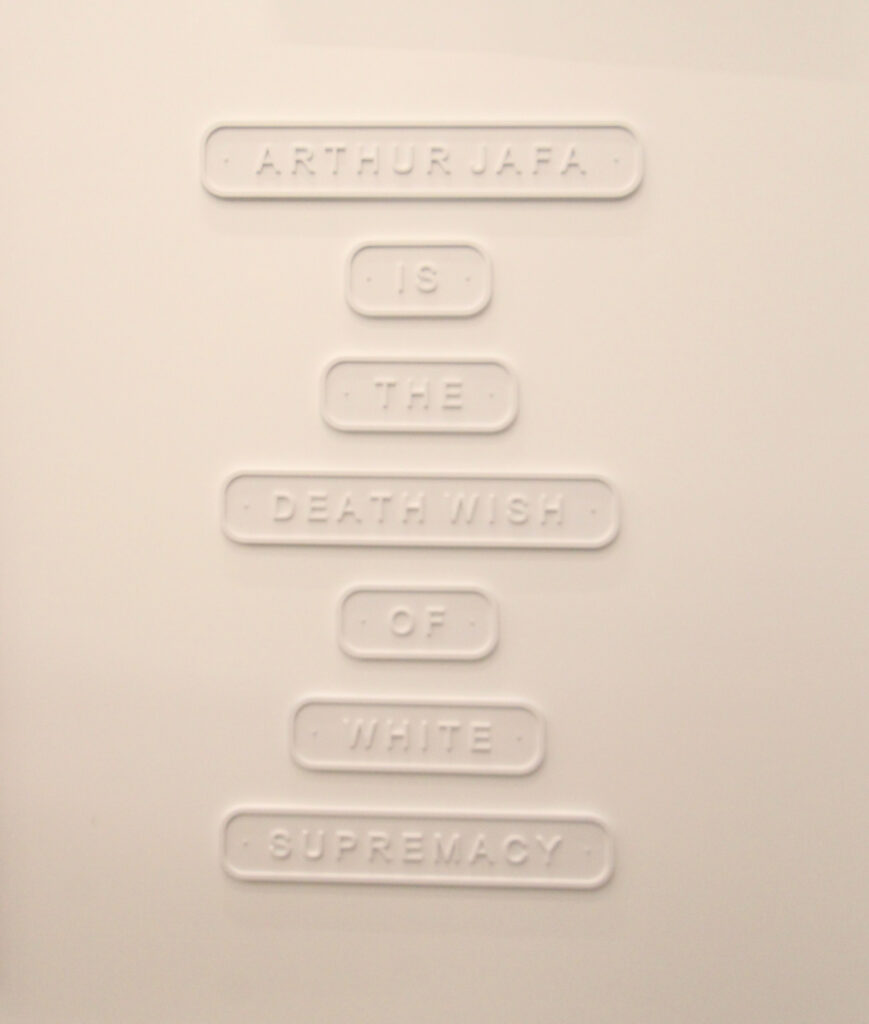
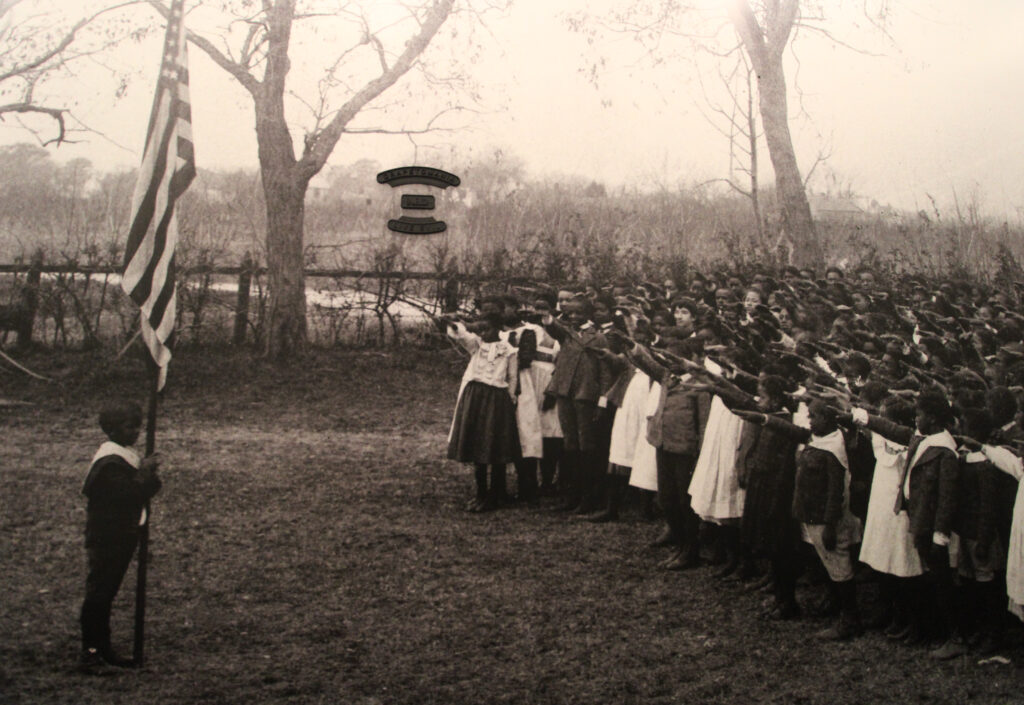
Another point of interest for visitors will be the wallpaper artwork “Allegiance” (1899, printed 2017). In a likely very little-known fact, the US Pledge of Allegiance used to include an outstretched arm with the palm facing downward in the decades before World War II, when it came to be known as the Nazi salute. The Pledge of Allegiance was then switched to being one’s hand held over one’s heart gesture that we know today. If you look at the photo below, it will look unusual to see a large crowd of Black children doing the older gesture because of what it has come known to be. It is a loaded image to behold.
“Arthur Jafa: I Am Tony” is an exhibit for our current time that holds something for everyone with a conscience. Everyone should see the entire exhibition in order to witness how art can interrogate vile societal norms while maintaining artistic integrity. For white people, it would be particularly useful to view “The White Album” in order to hear the white man (presumably from the South) in the film talk about how “We’re scared of black retribution.” This man in the film gives a powerful testimony on white supremacy and why white people need to confront its evils. It is a message that wouldn’t be as effective coming from a person of color because many white people would simply get defensive hearing it.
But no one is going to understand white supremacy better than a Black man from the South. Arthur Jafa’s unceasing fire and passion for exposing the hypocrisy of unjust systems is piercing, and his talent for pulling it off is unparalleled amongst many of his peers. Sometimes the most radical people come out of the most conservative places.
“Arthur Jafa: I Am Tony” will be open to the public for viewing from September 24, 2026 through January 3, 2027 at the New Museum in New York City.
To subscribe to Manic Metallic‘s Substack newsletter, click here.