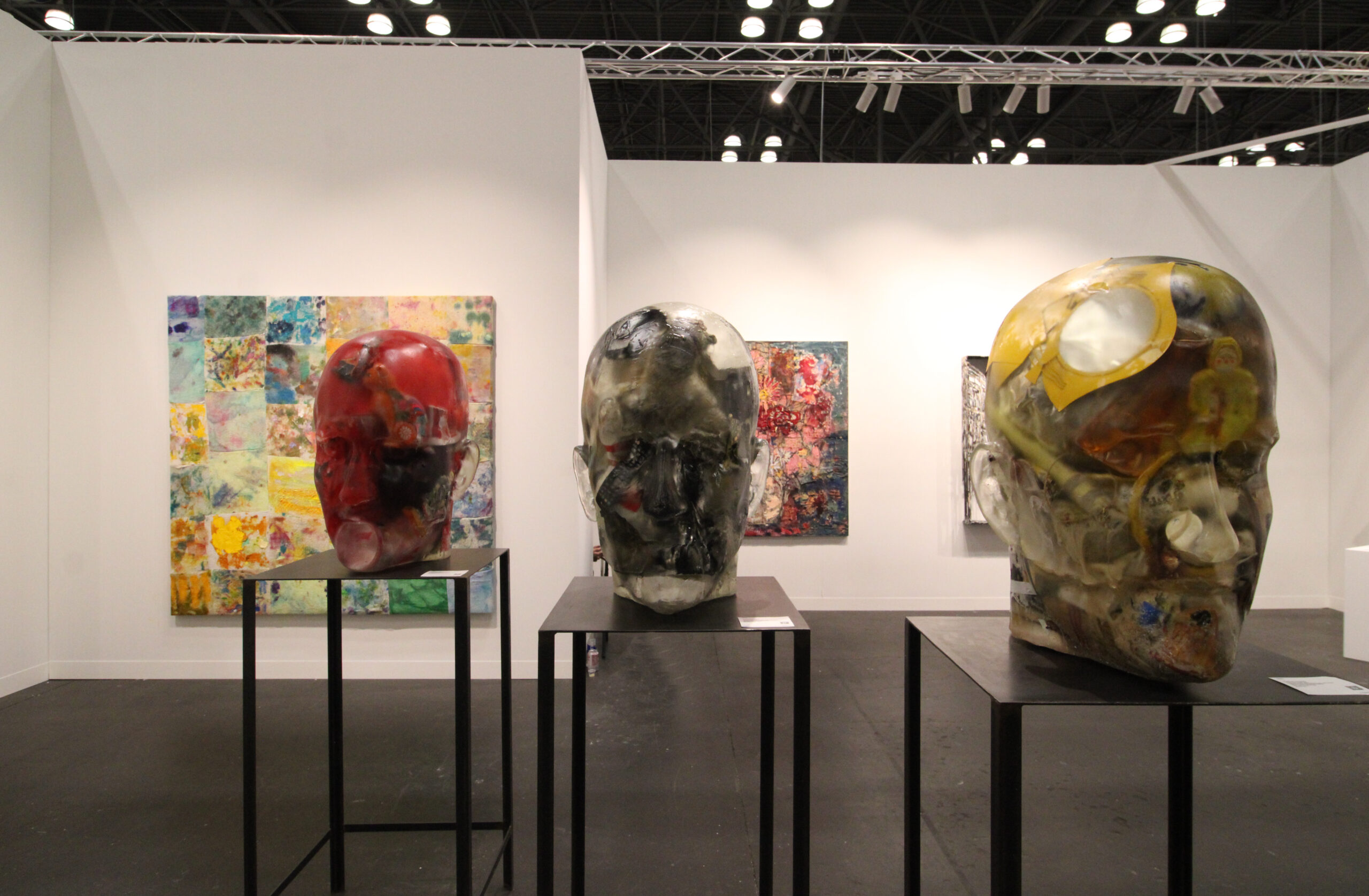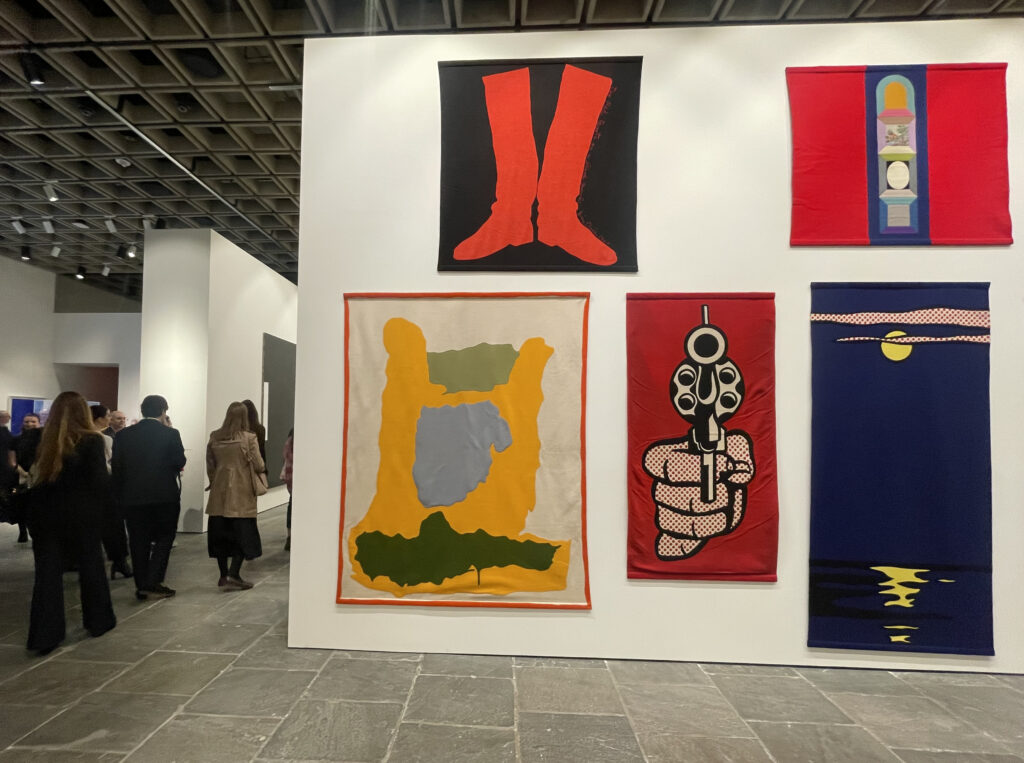
The storied Breuer Building, which just played host to the Independent 20th Century art fair for the first time from September 24 – 27, 2026, has previously been the home to big-name cultural institutions such as the Whitney Museum, the Met Breuer, and the Frick Collection (while it was undergoing renovations). This location switch for Independent 20th Century from its old home at Casa Cipriani in the Battery Maritime Building to a 20th-century architectural masterpiece was attention-worthy enough to raise the artistic stakes for a fair dedicated to reimagining conversations around 20th-century artwork. But did it live up to the Breuer-infused hype?
Well, collectors and other attendees at the VIP preview on Thursday certainly seemed to be in a jovial mood. The drinks were flowing as everyone greeted each other like they were long-lost acquaintances, the gallerists enthusiastically talked about their offerings to anyone who would listen, and the cameras were out making sure that attendees could tell TikTok and Instagram that “I was at Independent 20th Century on Day 1”. The loftiness of the Breuer Building — with its weighty, angular Brutalist architecture — added to the ambiance of the day. In terms of the event’s aura, you couldn’t ask for a better one.
Unless, of course, you were there as a press member attempting to take photos, get videos, write down notes for your written reviews and your online media channels. It was surprisingly crowded in the Breuer Building, with around 57 exhibitors spread along four floors, and it wasn’t easy to linger for very long to look at the artwork and obtain your needed material. It seemed that there were too many galleries for the amount of space that the Breuer provides — or the fair underestimated the amount of people who’d be interested in attending. If you’re not a press member, however, this would obviously not concern you.
Though a central focus of all art fairs is to sell art, Independent 20th Century feels different than some of its larger counterparts. It’s like an intimate social event where people with large amounts of money happen to buy art alongside having their friendly conversations. But that isn’t a referendum on the art displayed at Independent 20th Century; it was quite good. There were works displayed from artists such as Elaine de Kooning, Gerhard Richter, and Pablo Picasso as well as lesser-appreciated figures from the century.
Here are five of the fair’s notable booths:
Ortuzar
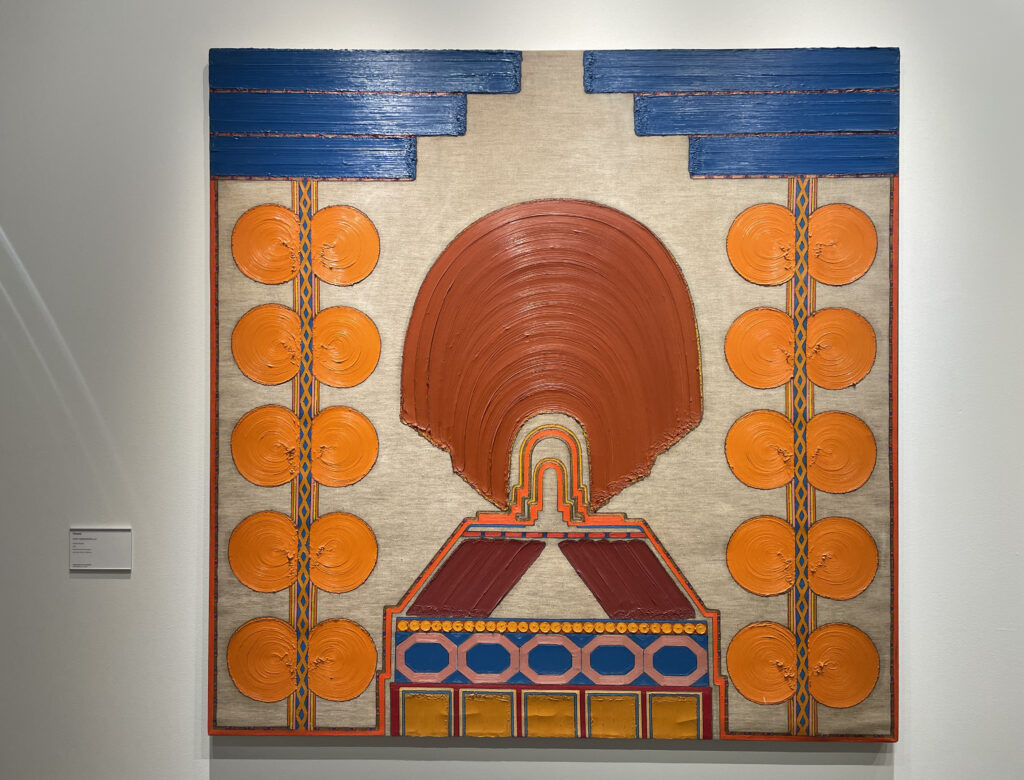
Ortuzar presented a solo booth of art by Mary Grigoriadis, focusing on pieces from the 1970s. Painted on raw linen, her works stood out for the precision of form and the clean, controlled brushstrokes. There is also a southwestern US influence in each of the works that were on display.
Luxembourg + Co.
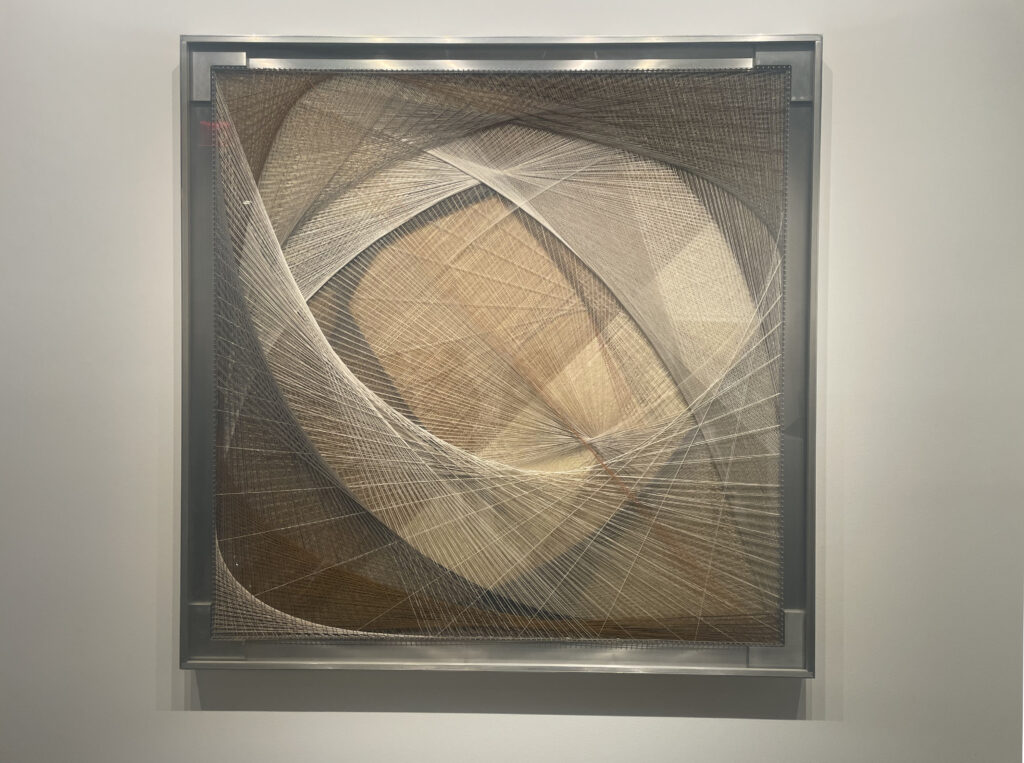
Luxembourg + Co. displayed works by Sue Fuller, who was influenced by the Constructivists from 1910s-1920s era Soviet Union and Central and Eastern Europe. Fuller carried constructivism into post-war America along with Europeans who’d immigrated to the country during World War II. Seeing her string compositions was a change of pace from your standard-fare “fair” artwork. They take you back to math class and learning about parabolas. And, though there’s something mathematical about them, these threaded pieces also hold a tidy elegance.
Forum Gallery
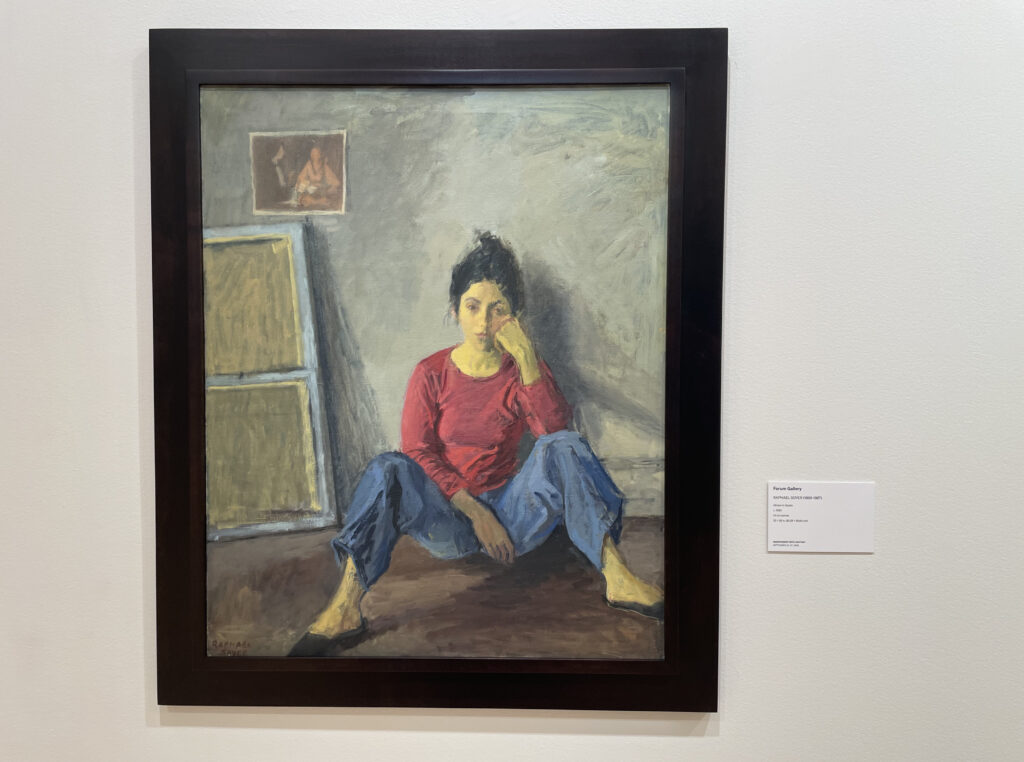
Forum Gallery’s presentation of Raphael Soyer’s work has an interesting story behind it. The gallery has represented Soyer’s work since 1961, and facilitated a retrospective of the artist’s work in 1967 that made its first stop (out of what would be six) at the Whitney Museum, which was housed in the Breuer Building at the time. So Forum showing his work at this edition of Independent 20th Century is a homecoming, of sorts. What you immediately recognize in his paintings is yourself reflected back at you. For example, in “Miriam in Studio” (1980), Miriam has her hair pinned up while wearing a normal long-sleeved shirt and pair of pants. She’s sitting with her back against the wall, staring at the viewer as if she couldn’t be more exhausted. This is every woman in 2026, even though the painting is from the 1980s.
Niru Ratnam
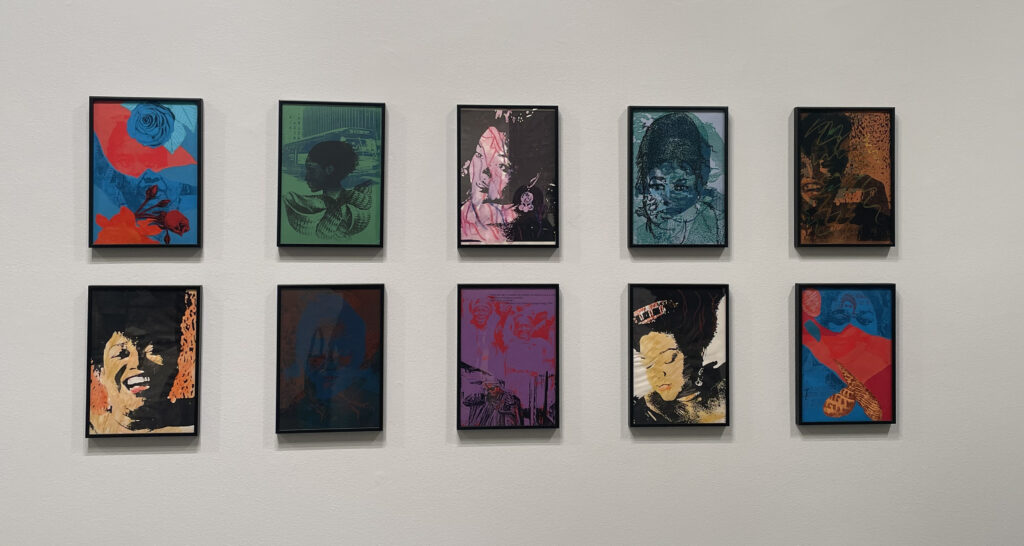
British gallery Niru Ratnam staged a booth devoted to the work of Bronx native Rita Keegan. She was a part of the British Black Arts Movement in the 1980s where she worked in a multidisciplinary manner, with an emphasis on CopyArt — a term for using a Xerox machine to make art. She used this method of artistry because it was affordable and she didn’t have a permanent studio space to allow for more space-consuming art forms. The works in the exhibit uses photos from her family photo archive; looking at them, you wonder how she undertook such a mechanical process in an age long before Photoshop and other similar programs were on the market. It also prompts you to wonder this: if there are so many people against the consideration of computer-generated imagery as art in modern times, what would these same people have thought of 1980s artists creating what would have been the equivalent in their own earlier years?
Richard Saltoun Gallery
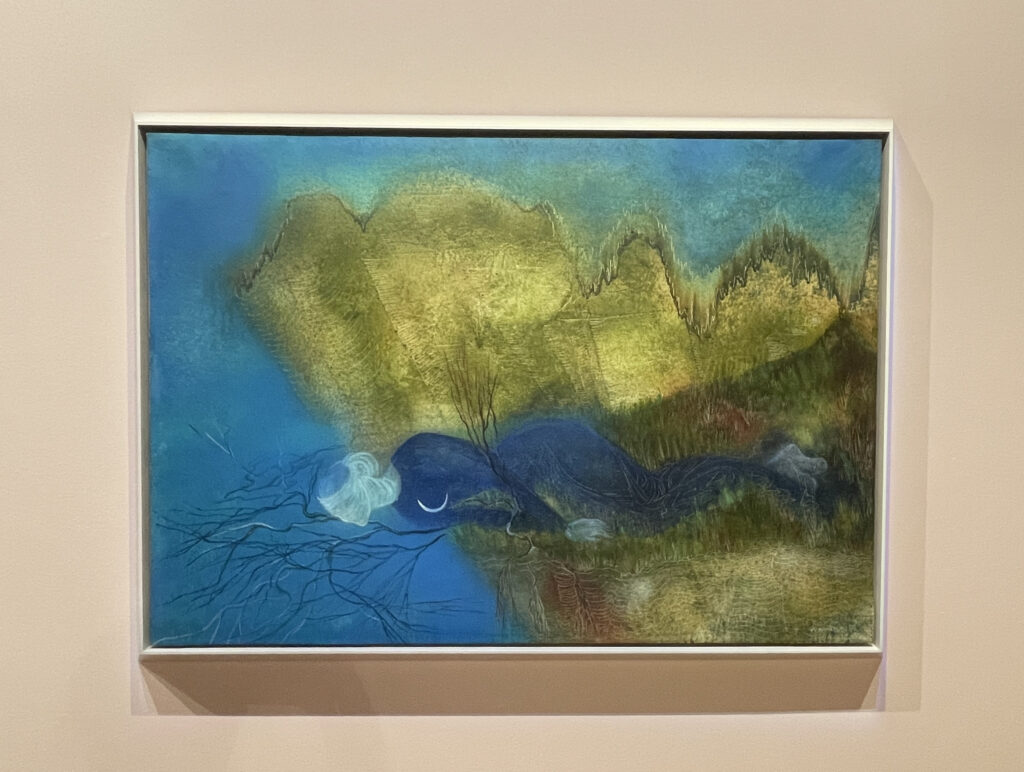
Richard Saltoun Gallery showed paintings by Surrealist artist Manina. Each of her pieces seem to emphasize the private depths of the feminine spirit. In her work, there’s this exciting soul-driven energy that reaches out and grabs you. In “Sousvivre” (1958), you see a figure lying on the ground, with most of her body in the grass while her upper body appears to be headed towards a body of water. Her form is in the process of being reclaimed by Mother Nature, as the branches show; there’s also a crescent moon on the figure, and moons are seen to represent feminine energy by many cultures.
To subscribe to Manic Metallic‘s Substack newsletter, click here.