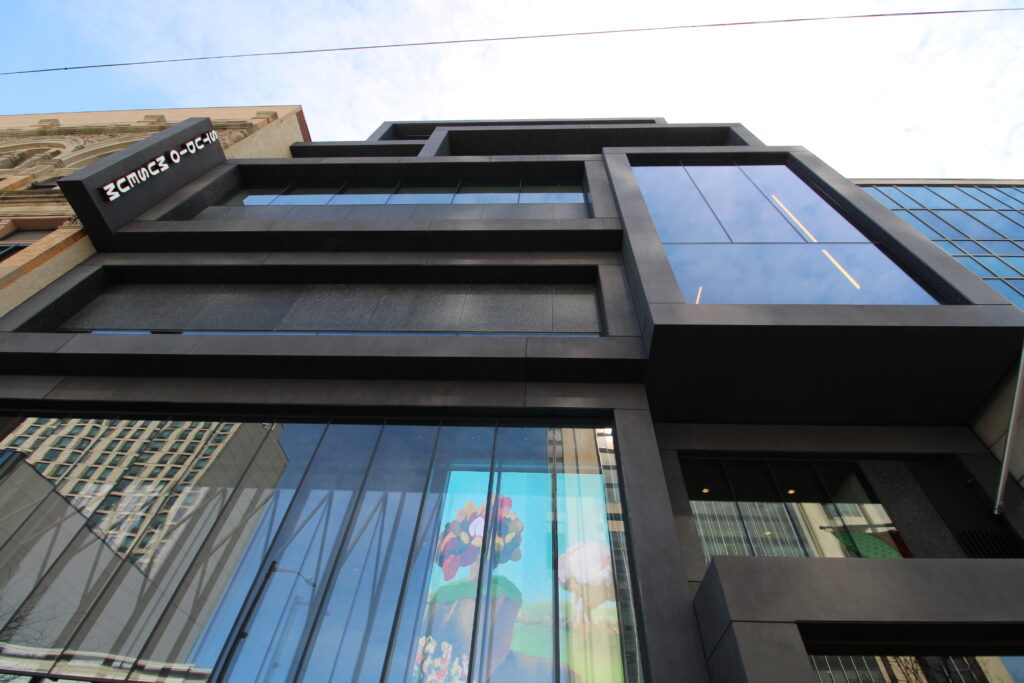
The Studio Museum in Harlem cuts an imposing figure on bustling W. 125th St, and its design stands out distinctly from that of its surroundings.
But yet, it manages to fit in. And that contextual friction is what makes it interesting.
The Adjaye Associates-designed Studio Museum — completed in partnership with New York-based architecture firm Cooper Robertson, which acted as the executive architect — reopened a few months ago on November 15 after a four year delay largely caused by the pandemic.
Thelma Golden, the Ford Foundation Director and Chief Curator of the Studio Museum, wanted the museum design to take inspiration from three tenets of Harlem life: the street, the stage, and the sanctuary. But it is not difficult to see that a primary design influence comes from a contemporary form of Brutalism.
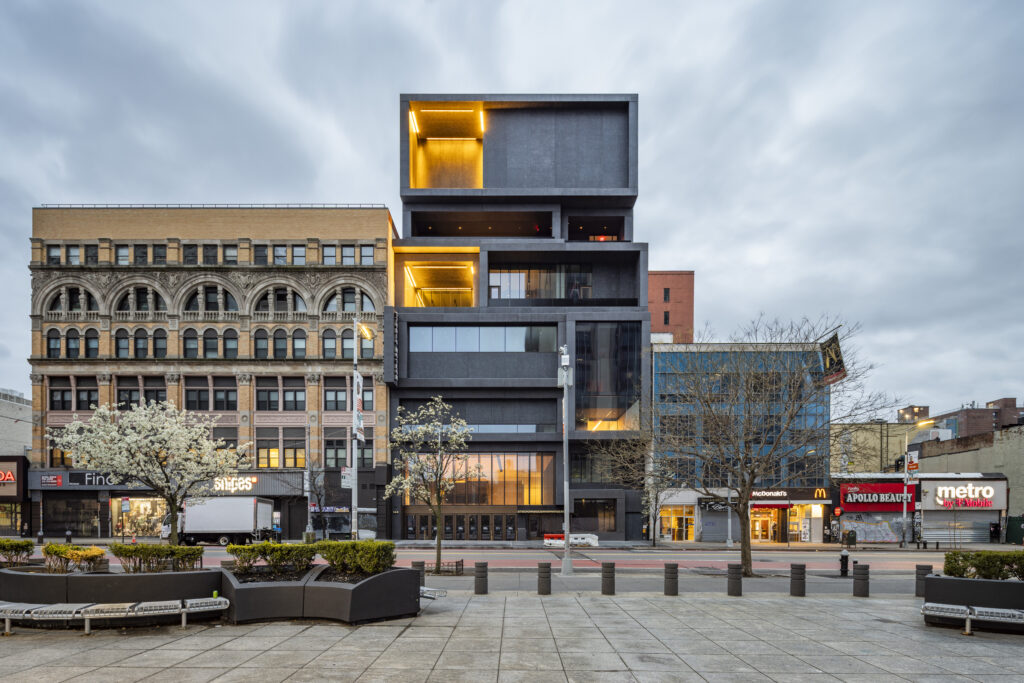
Courtesy Studio Museum in Harlem. Photo: © Albert Vecerka/Esto
Part of what gives Brutalism its strength as an architectural style is its visual heft and the aforementioned imposing mood that it sets. A mobile phone store, a streetwear retailer, a McDonald’s, and a beauty supply store sit to either side of the Studio Museum as its immediate neighbors, which can be jarring to one’s expectations of where a museum usually sits. The most comparable nearby structure in scale and style is the Adam Clayton Powell Jr. State Office Building across the street, a Brutalist design completed by the African-American architecture firm Ifill Johnson Hanchard in 1973. This gives the Adjaye design a precedent in its immediate vicinity that you wouldn’t necessarily get if you stayed on the same side of the street.
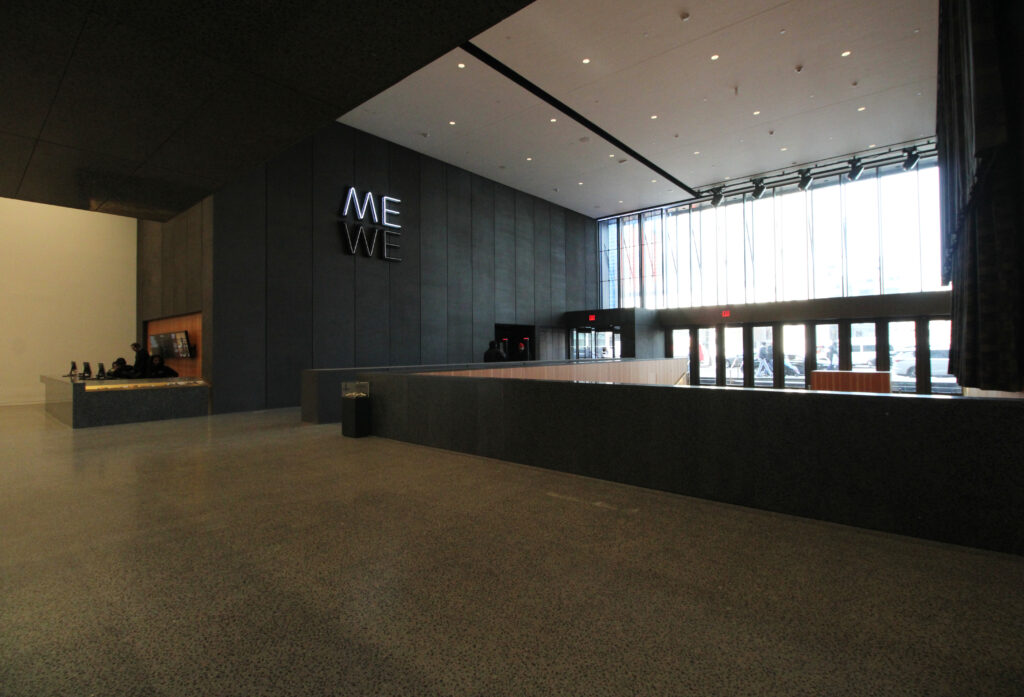
When you enter the building, you’re met with a roomy, meticulously-designed space not unlike the atmosphere that you detect when you enter a corporate lobby. What breaks up this feeling is Glenn Ligon’s “Give Us A Poem” (2007) sculpture being placed in the entrance corridor, using the iconic Muhammad Ali’s famously short poem to set a tone for Studio Museum visitors of selflessness over individualism.
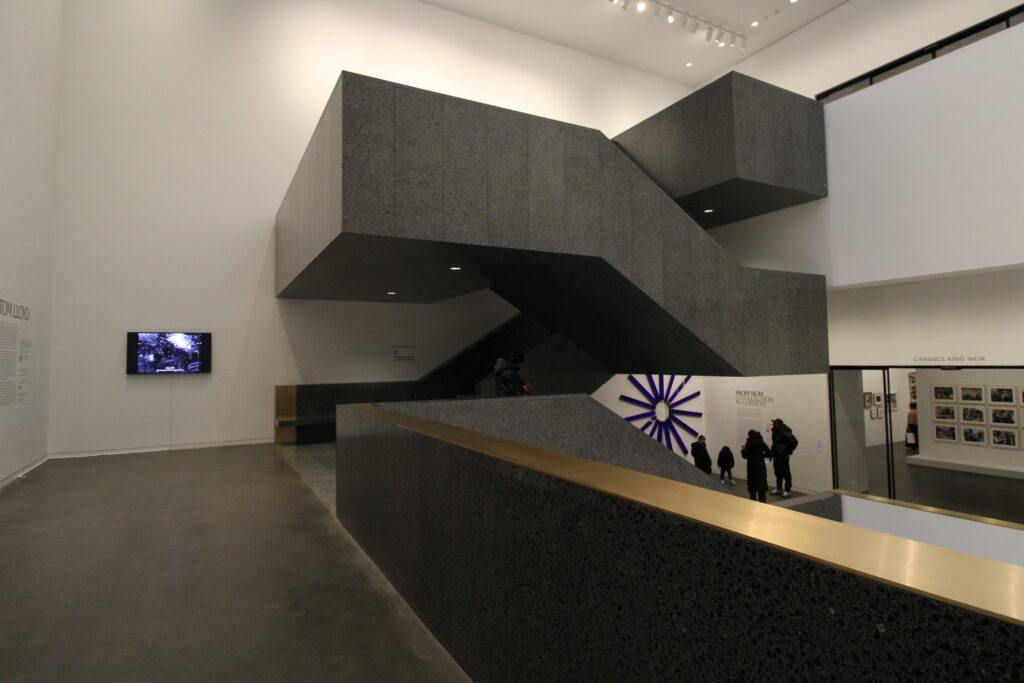
When you take a left and go around the short wall at the entrance, you’ll be led to the stairs that have quickly become an important part of the museum’s culture. Adjaye Associates wanted to integrate the idea of a stoop into its design as a nod to the ones spread around brownstones in Harlem, and created these stairs as a reverse stoop. The stairs are intended to be a gathering space for visitors. The steps, while not a unique idea by any stretch as far as museum designs go, were clearly serving their intended purpose as a place to congregate when I visited the museum. At various points, there were people reading books, sipping coffee, and chatting with friends. People were relaxed and enjoying themselves, likely content to have their beloved neighborhood institution back after eight years.
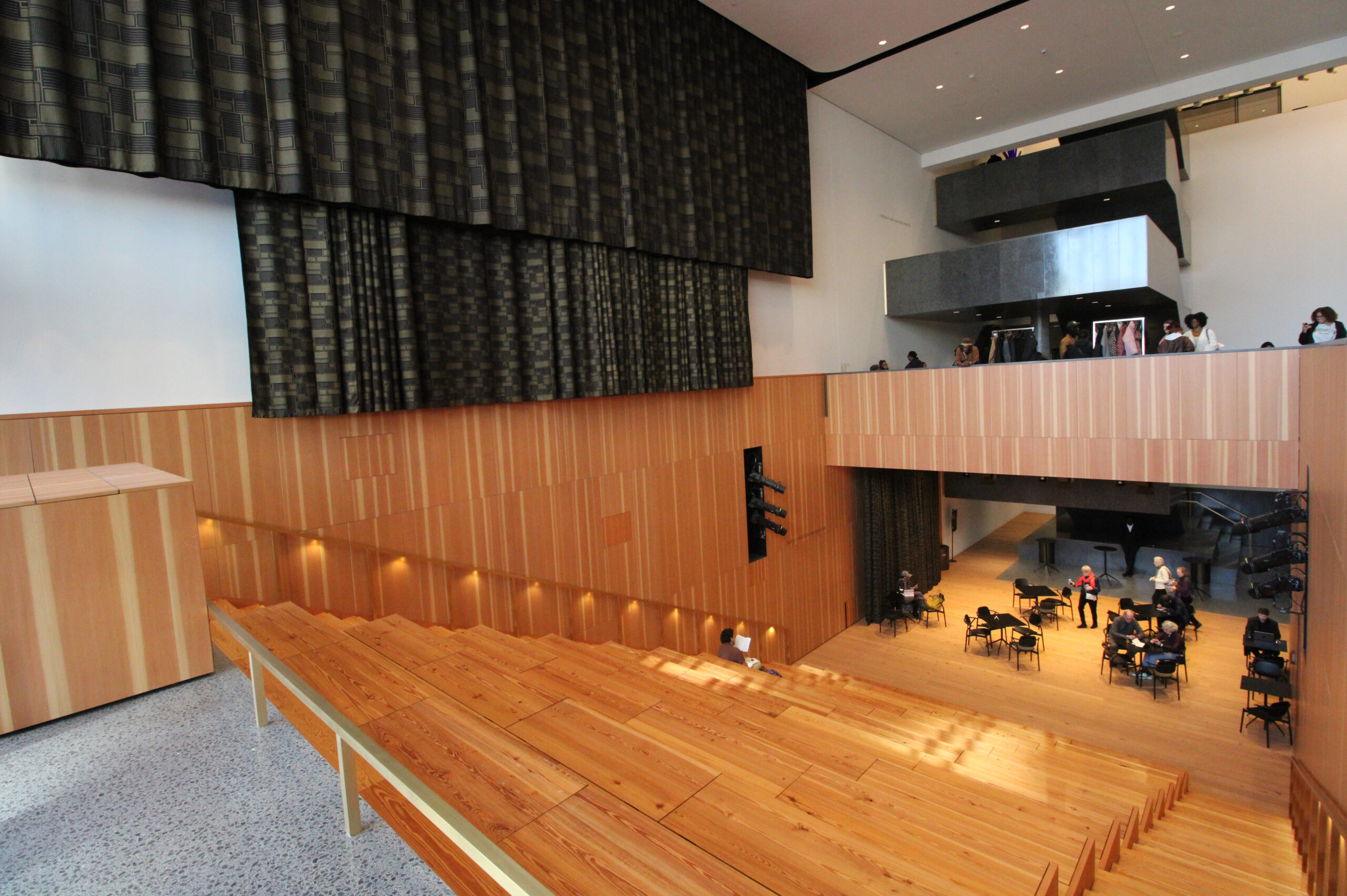
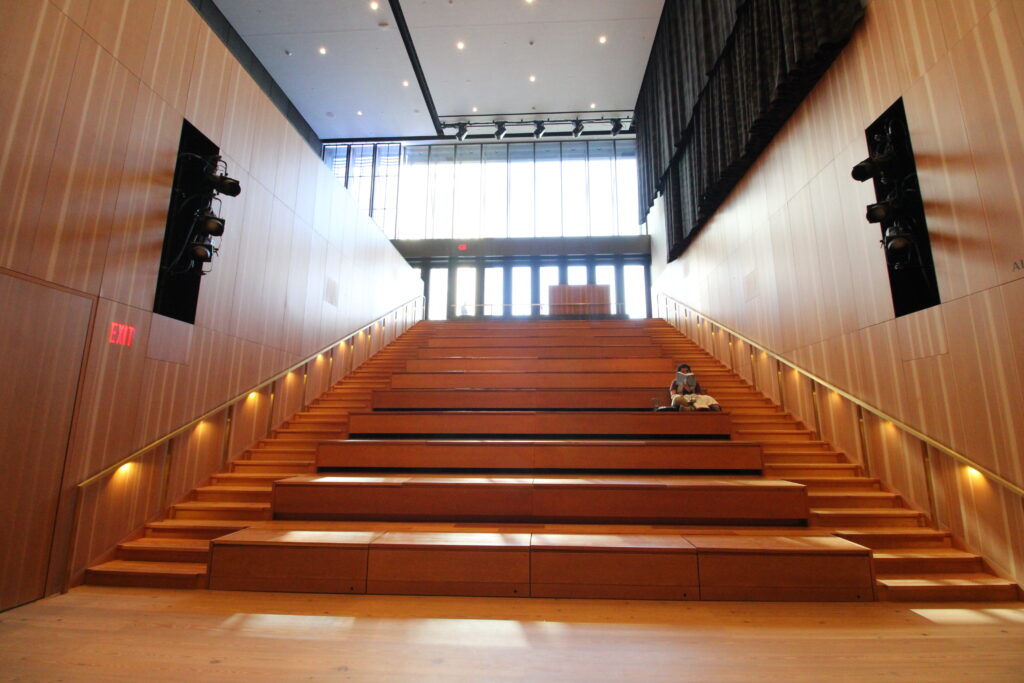
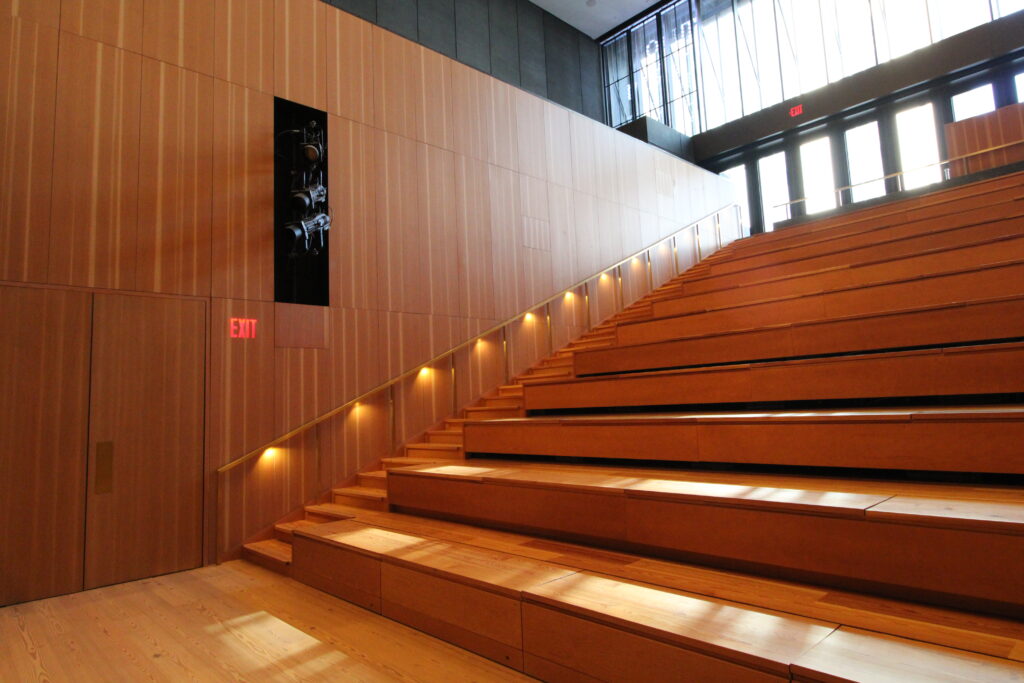
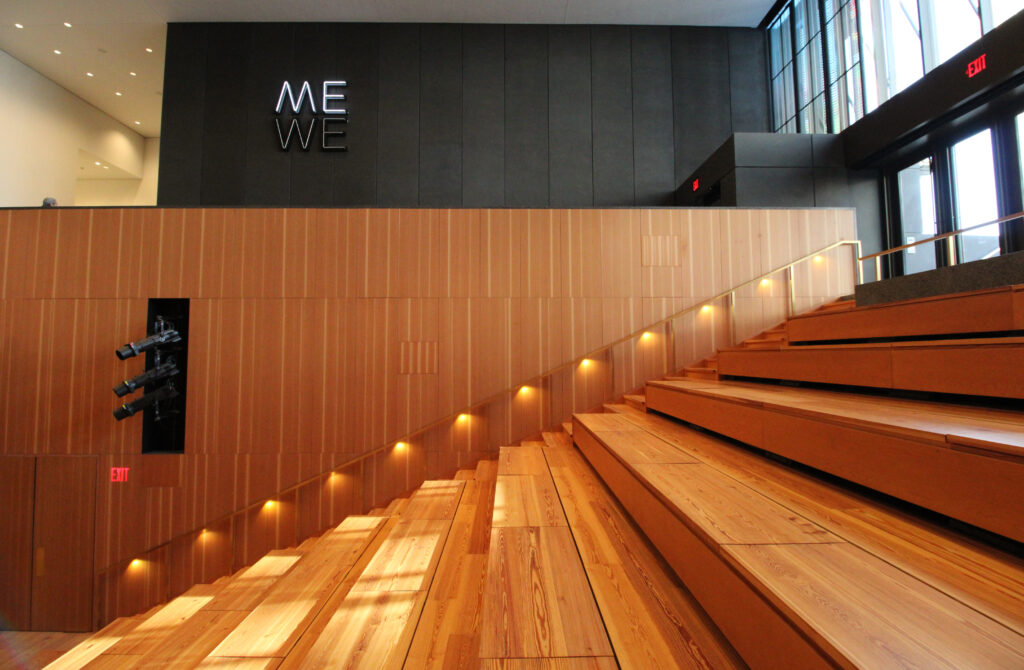
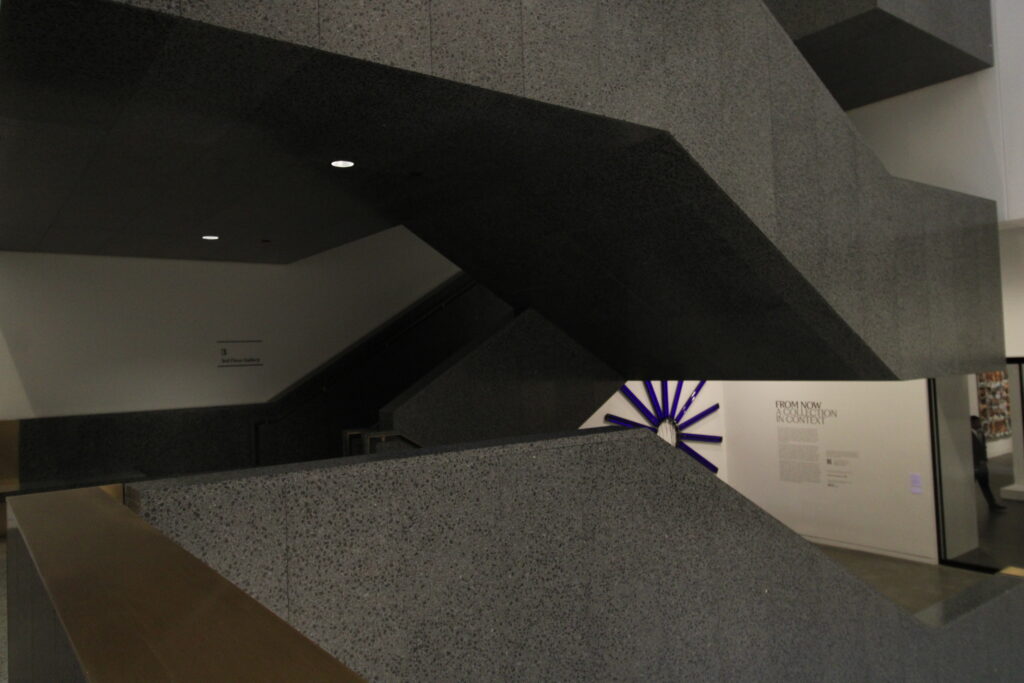
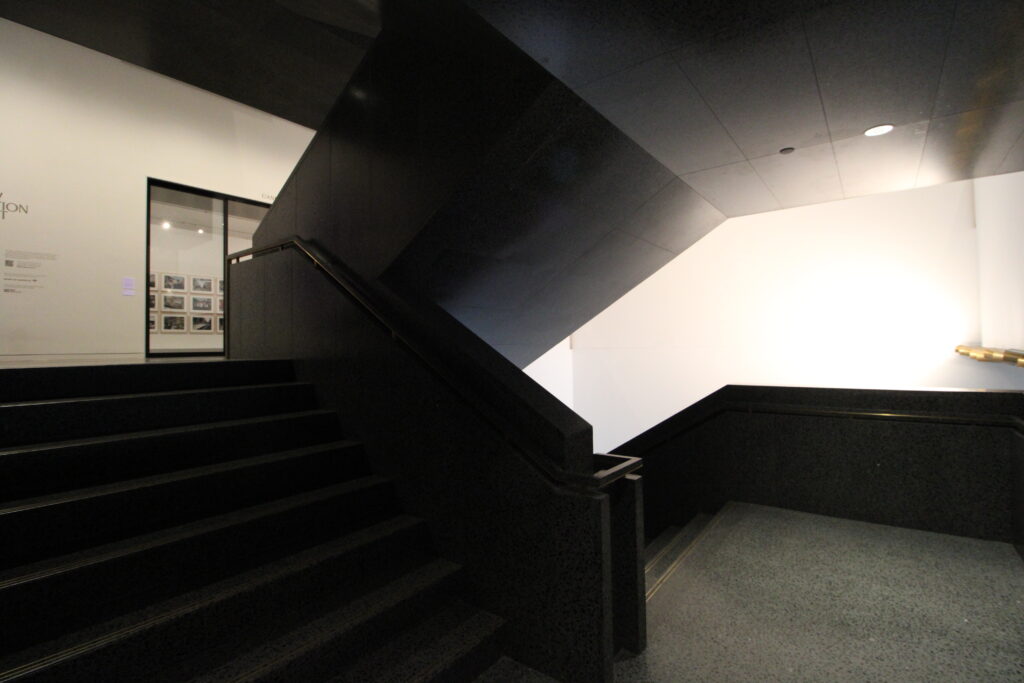
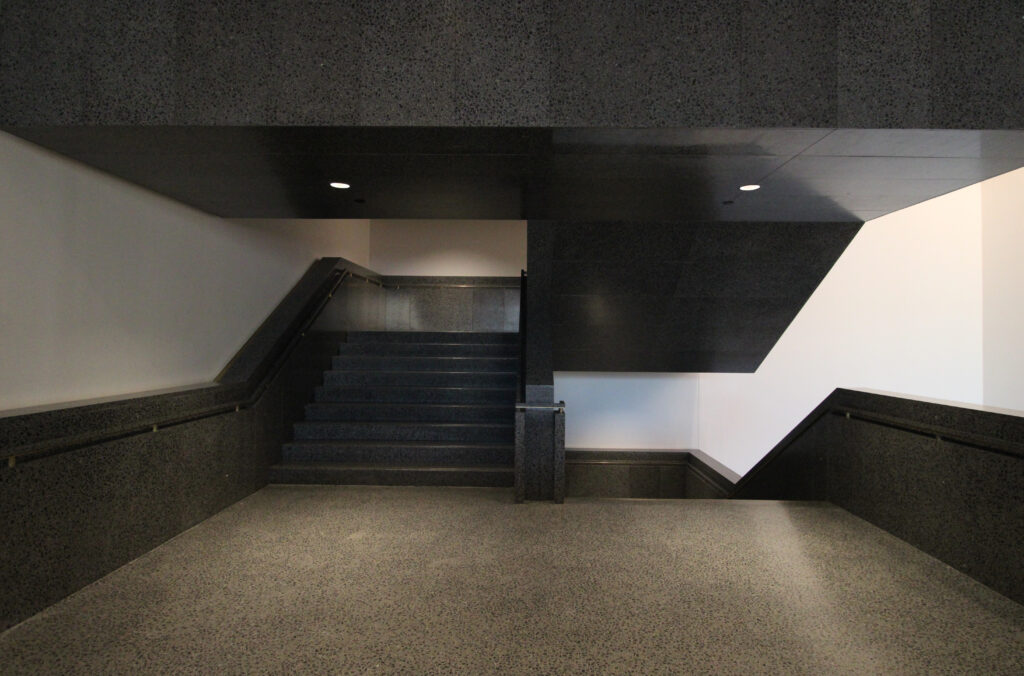
Once you check in and you’ve taken in the stairs, you should take the elevator to the 6th floor and work your way down. But, unless you absolutely have to, don’t take the elevator again for the rest of your visit. Getting to move along the terrazzo stairs is one of the best parts of the entire Studio Museum experience. Looking at the perfectly angular staircases — monolithic in their construction — is one of the most awe-inspiring Brutalist moments that one can have. For a design movement that tends to get a lot of public flak, it is comparatively tough for other architectural styles to create those same moments.
While we’re fascinated with the museum’s design, let’s not forget the central reason that we are here: the art, and the people who create it.
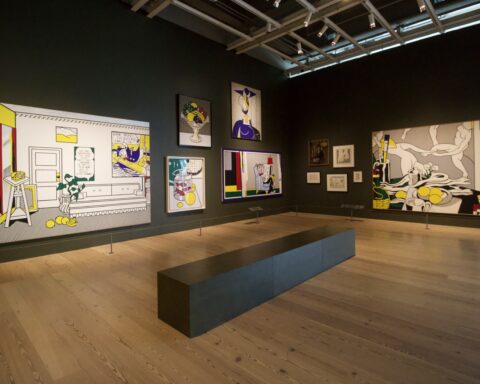
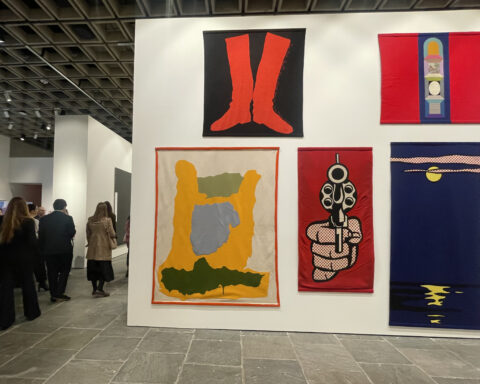
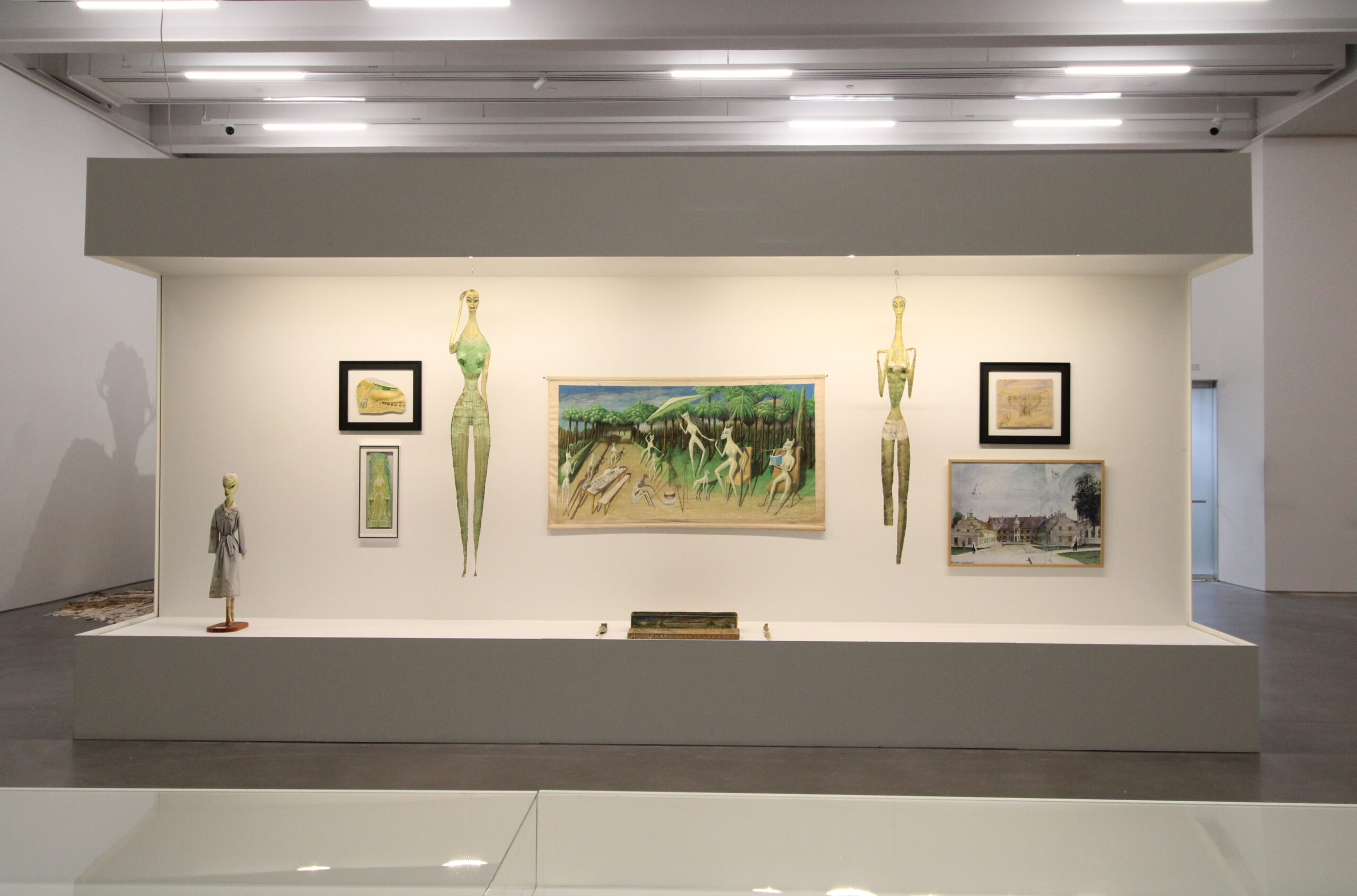
Among the inaugural exhibitions of the new building are “From Now: A Collection In Context”, a rotational installation of works drawn completely from the Studio Museum’s collection that will remain on view until August 16, 2026, and “Tom Lloyd”, which was on view until March 22, 2026.
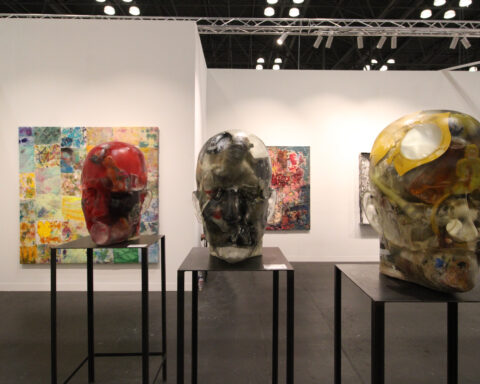
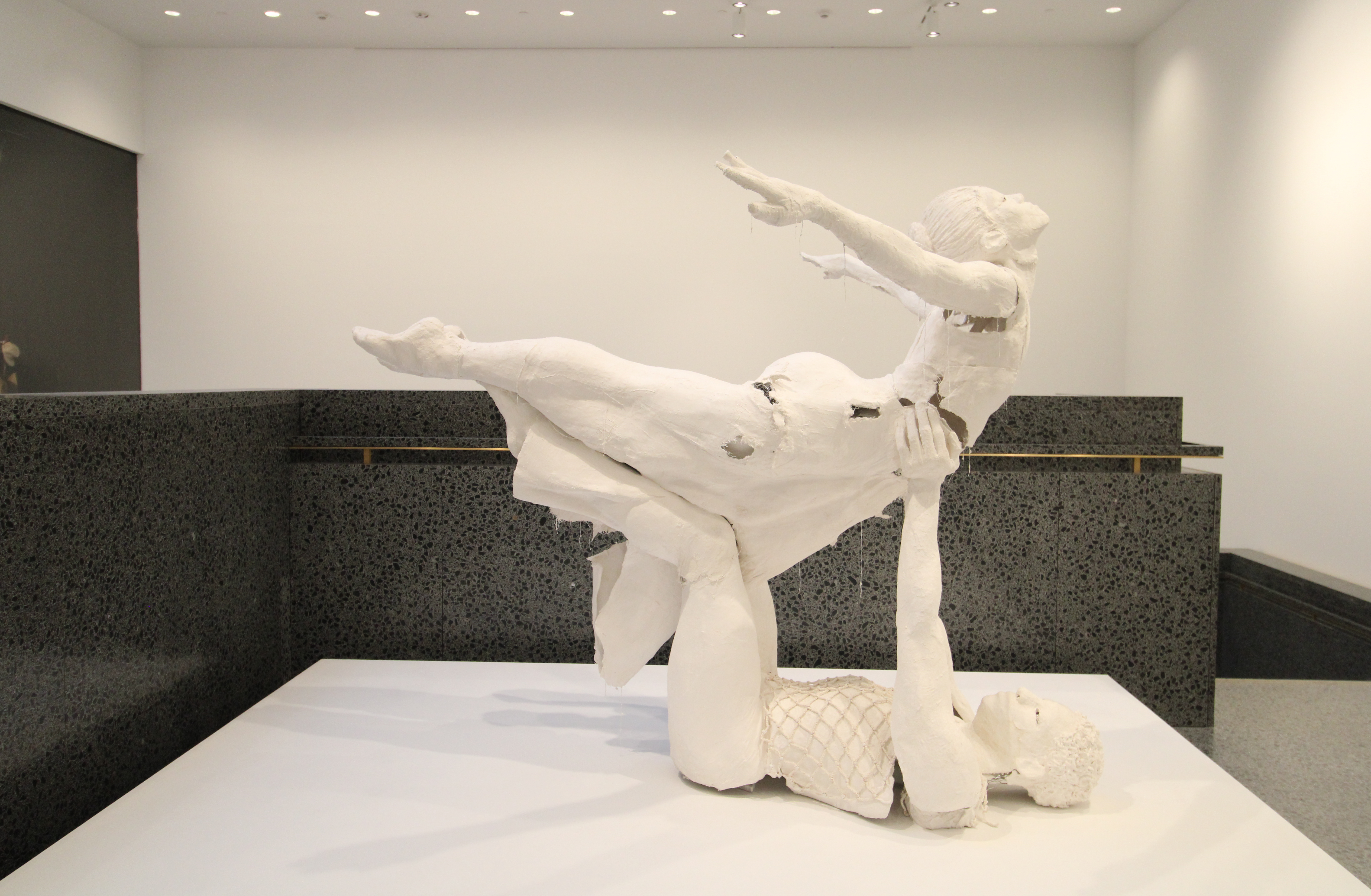
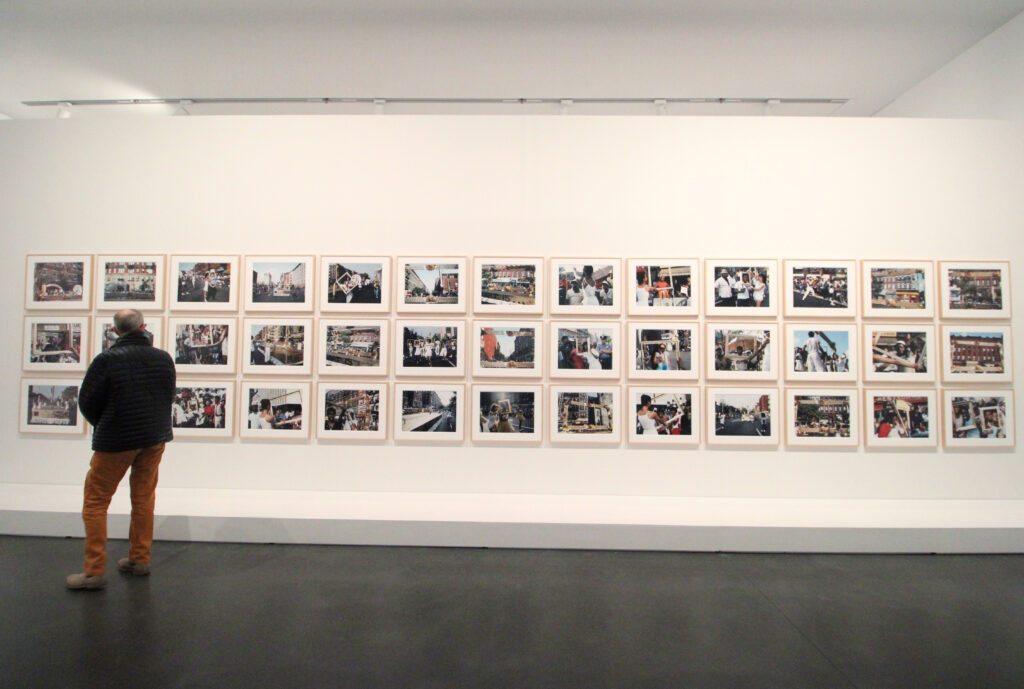
Among the many standout pieces on display were Karon Davis’s “Fix Me”, a plaster sculpture of dancers gracefully posing, and Lorraine O’Grady’s “Art Is…”, a series of forty photos of people creating art via whatever is included inside the photographed picture frame. O’Grady’s work is discreetly revolutionary, defining art as whatever you claim it to be; in this way, it pulls from the same philosophy of the Readymade.
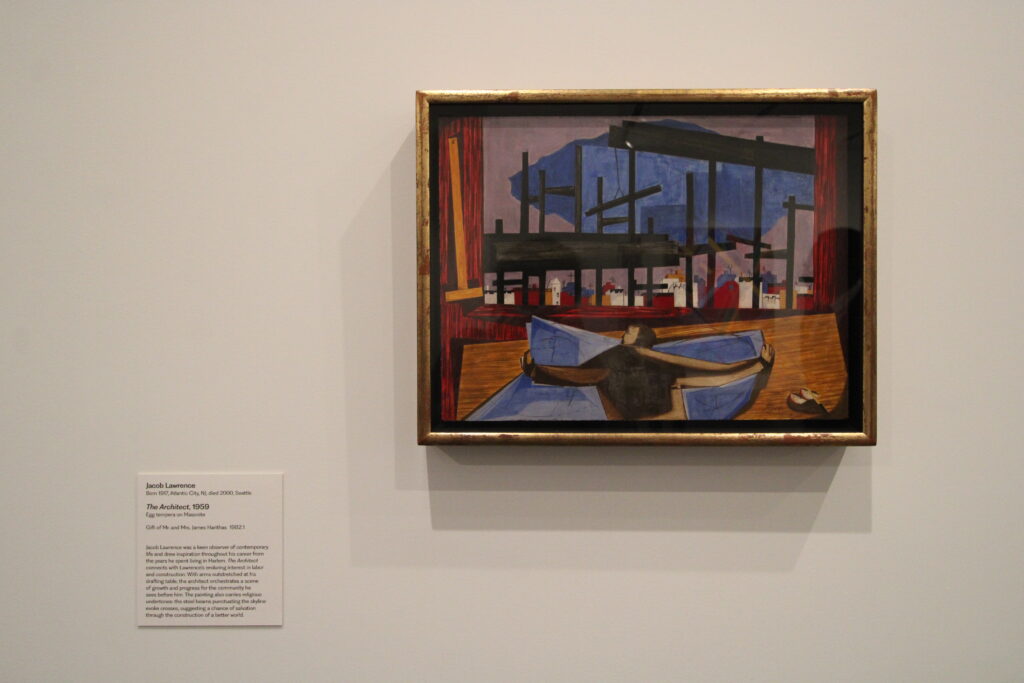
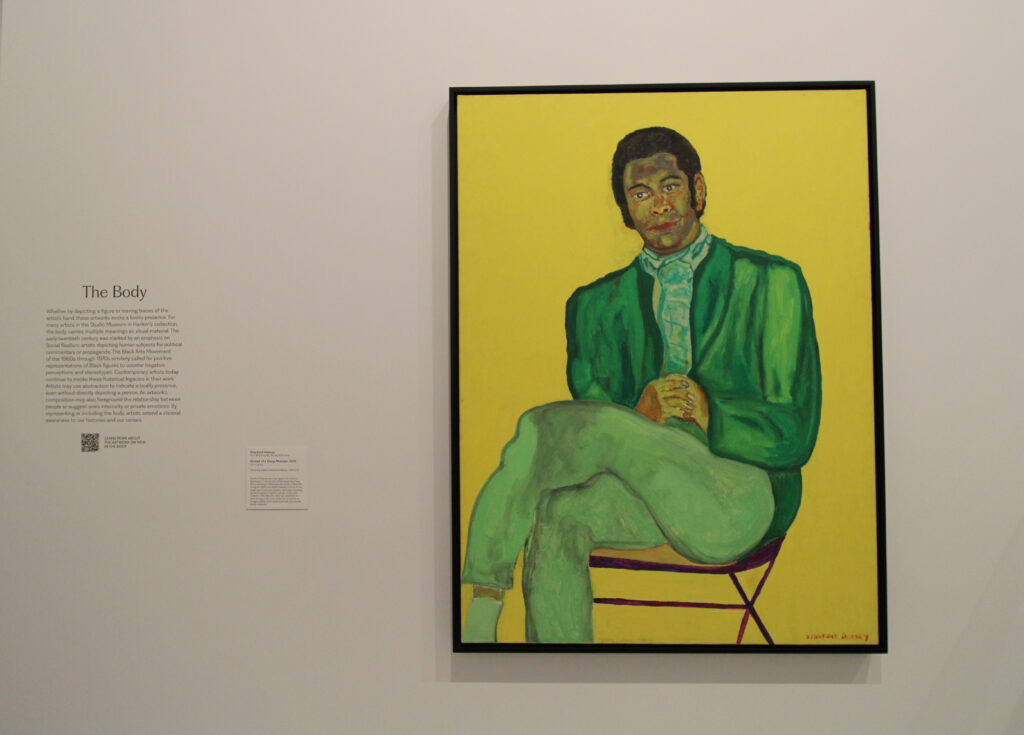
Jacob Lawrence’s “The Architect” depicts an architect, drawings outstretched, looking at the community that he is helping to build. Notice how the construction beams in the painting create crosses, showing Lawrence’s faith in a better world coming into being someday. Beauford Delaney’s “Portrait of a Young Musician” was created during the Black Arts Movement, a movement that called for Black people to be depicted positively in public forums.
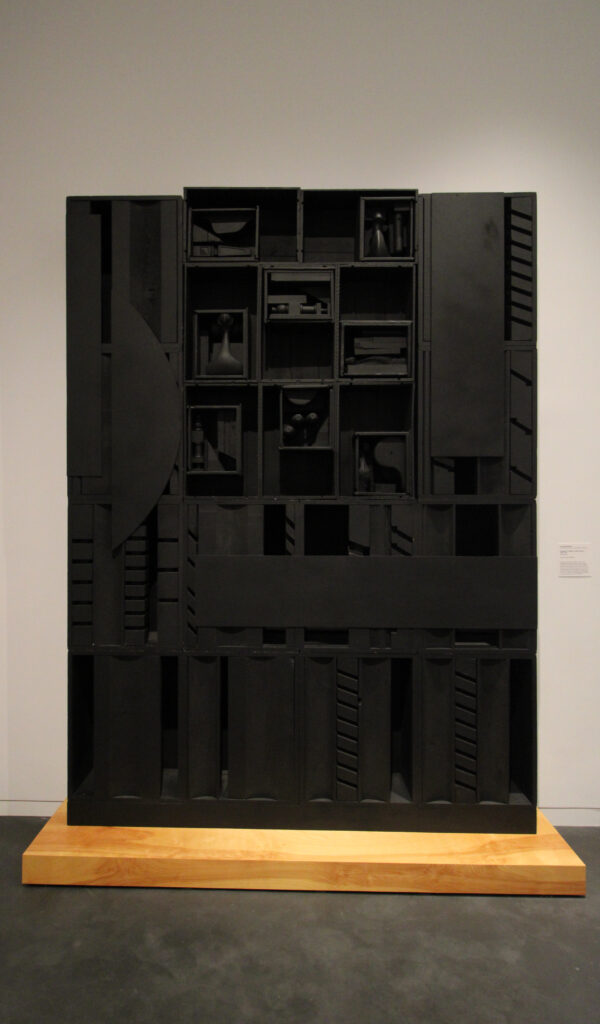
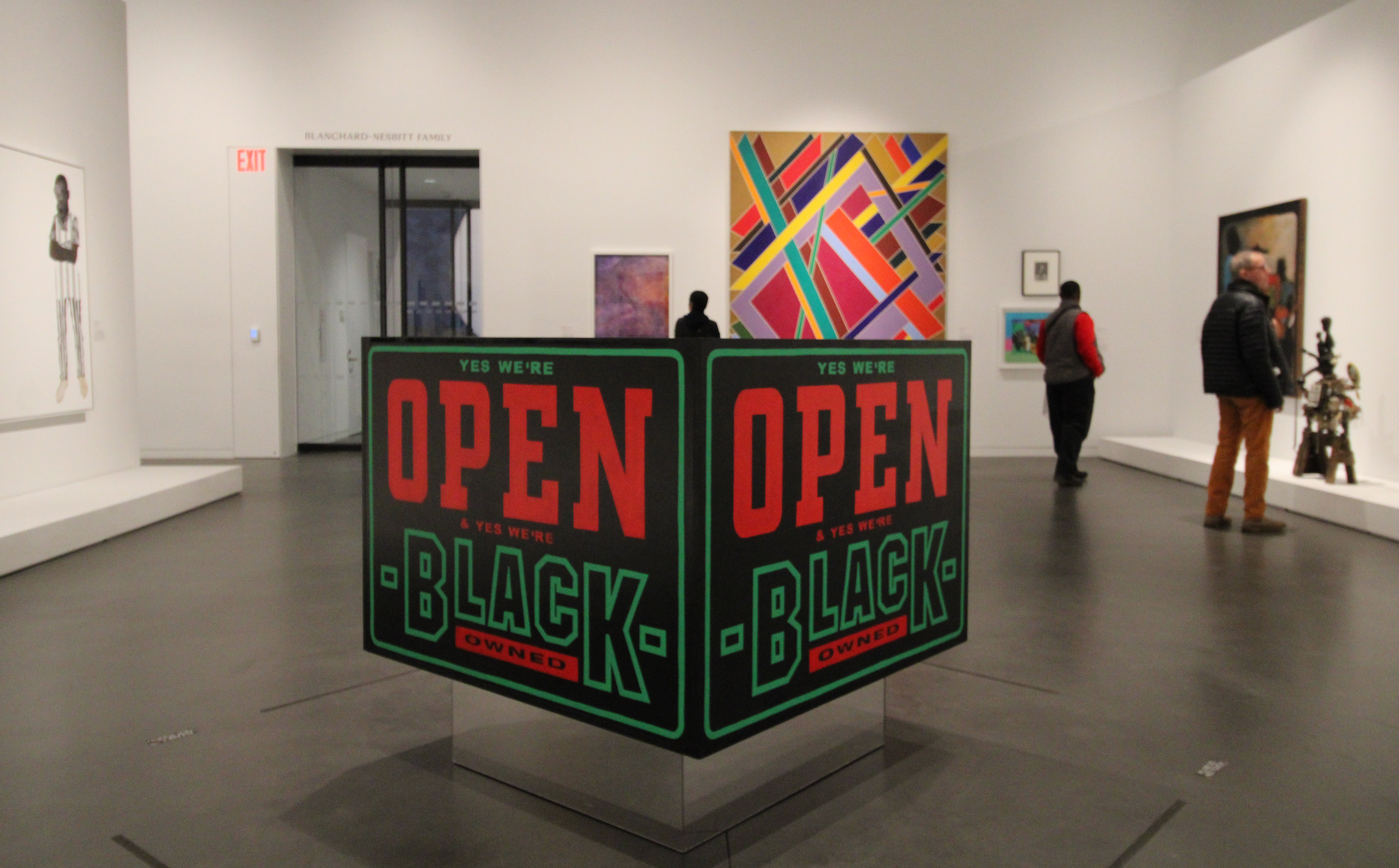
Louise Nevelson would construct found objects into a piece of artwork and then paint the entirety of it black, believing it to be “the most aristocratic color of all”. “Homage To Martin Luther King, Jr.” was one of her works in which this was done. In “yes we’re open and yes we’re black owned”, Lauren Halsey makes a strong declaration that being Black-owned is a badge of honor to be worn proudly. Particularly in today’s public landscape where many institutions are hedging on supporting businesses owned by people of color — especially Black people — declarations like this one couldn’t be more timely.
The Studio Museum opened on September 24, 1968 — during a year when it seemed that Progressivism was at its breaking point and falling apart (after the infamous 1968 Democratic National Convention in Chicago and the assassinations of both Robert F. Kennedy Sr. & Martin Luther King Jr.). The Studio Museum’s founders did as Black people have frequently done during times of crisis: engage in artistic and literary creation when everyone else feels that the world is collapsing.
With this architectural work of art for the Studio Museum in Harlem, Adjaye Associates gave Black artists the elevated design that they have deserved since 1968.
The Studio Museum in Harlem, located at 144 West 125th Street in New York, is open Wednesday, Thursday, and Sunday from 11am-6pm and Friday-Saturday from 11am-9pm.
To subscribe to Manic Metallic‘s Substack newsletter, click here.