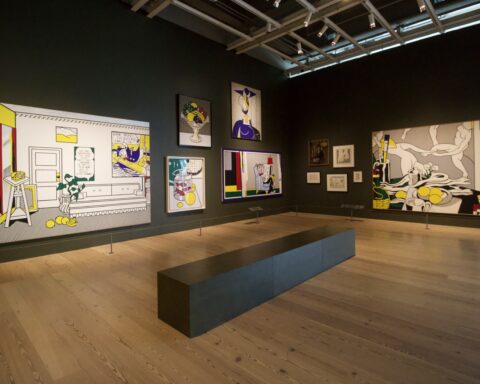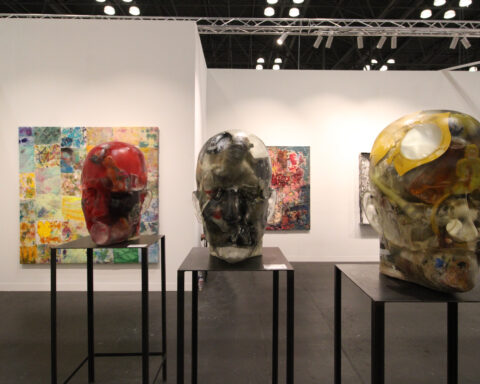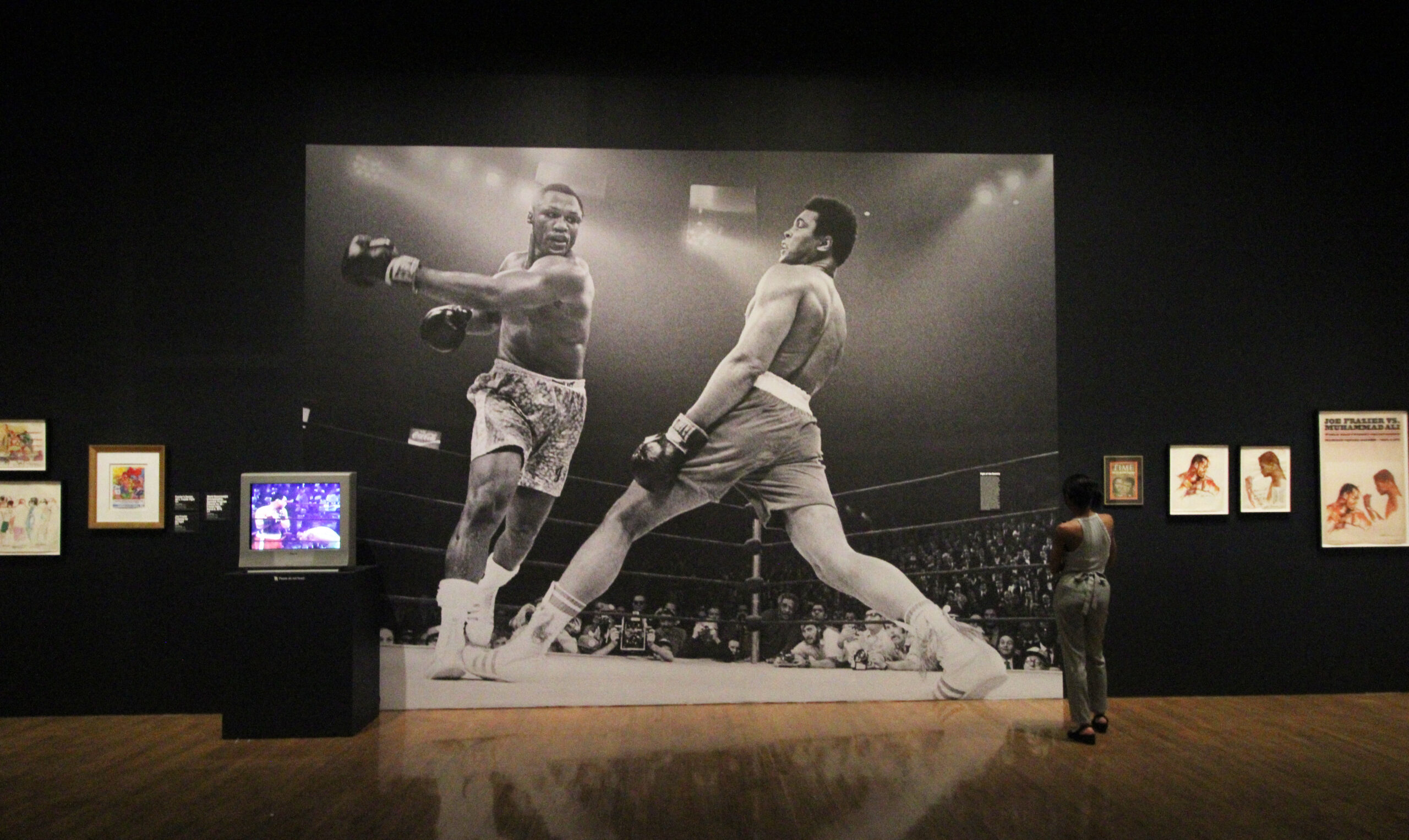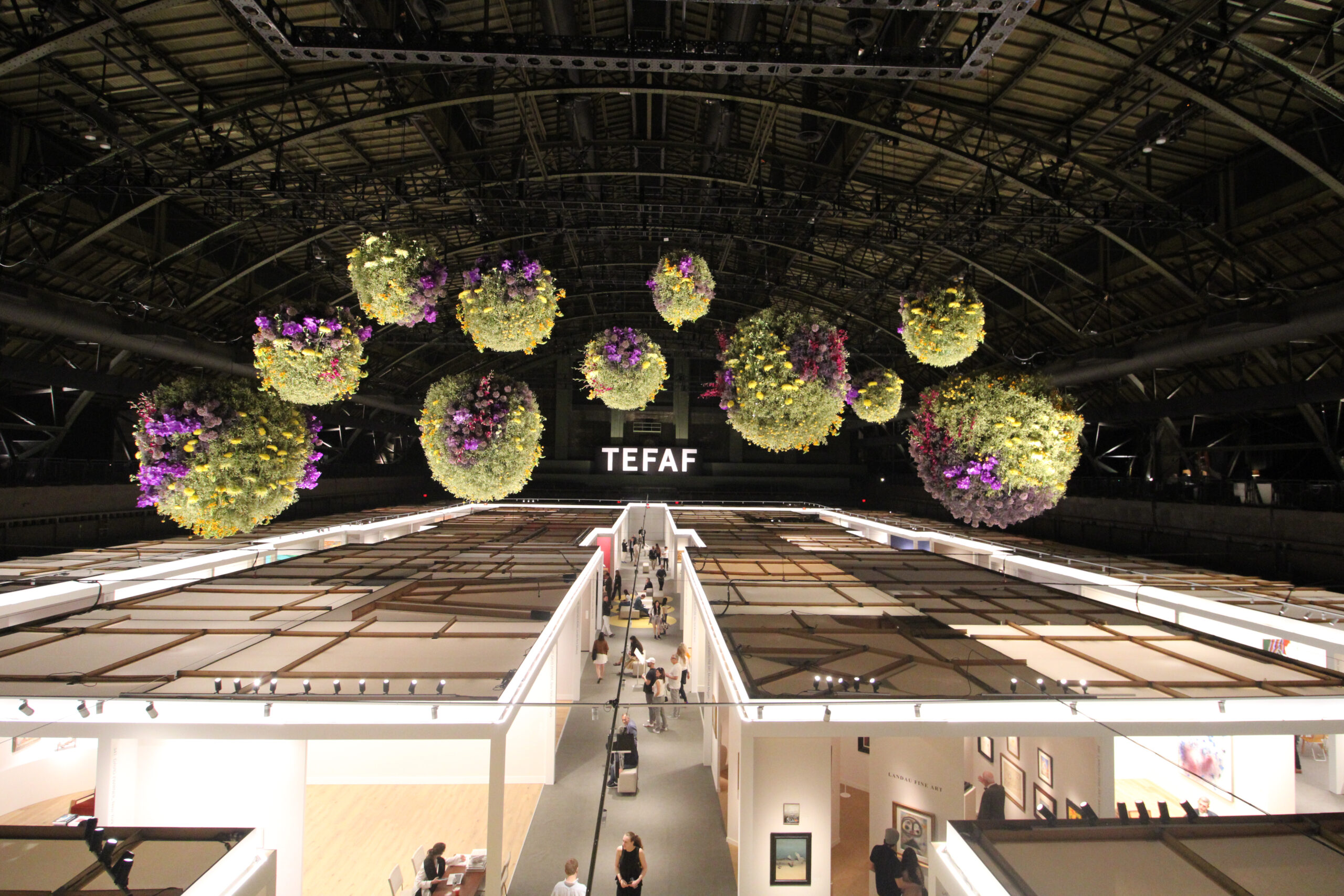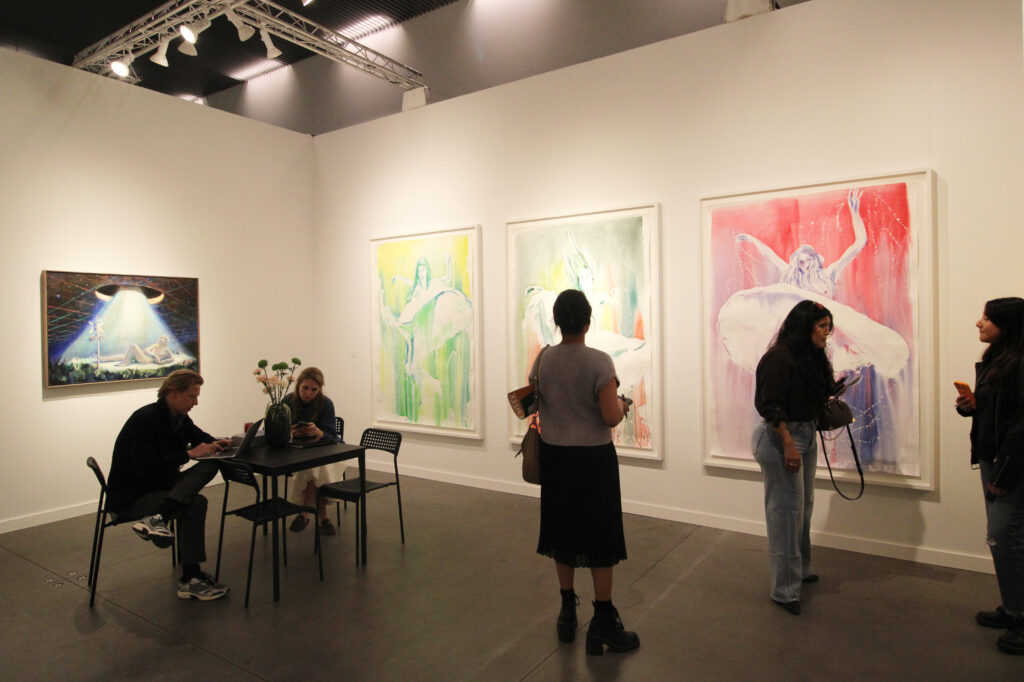
Frieze New York 2026 closed on May 17th at The Shed, and the most interesting showings tended to come not from the all-star galleries. They came from galleries that may not have as much broad name recognition. Participation came from 68 galleries based in 26 countries, with visitors numbering roughly 25,000 from 75 countries. What did those 25,000 visitors see?
When answering this question, it’s important to remember what the purpose of an art fair is. Ultimately, gallery participants are there to sell artworks, and so art fairs are an inherently commercial enterprise. There is no other reason that galleries would pay thousands of dollars just for the privilege of securing a space at prestigious art fairs like Frieze. So what visitors saw at Frieze New York was tempered by a desire for galleries to be able to sell to collectors, institutions, and others seeking to purchase works. Not much was particularly radical in thought, and many of the pieces on display at the various booths that did attempt to make a statement seemed to make their points in a more muted manner. Just because art isn’t taking a radical stance of some sort, however, doesn’t mean that the work isn’t good.
That said, here is a selection of galleries whose booth presentations and artworks at Frieze got the closest to making the type of strong showing that I alluded to above:
OMR
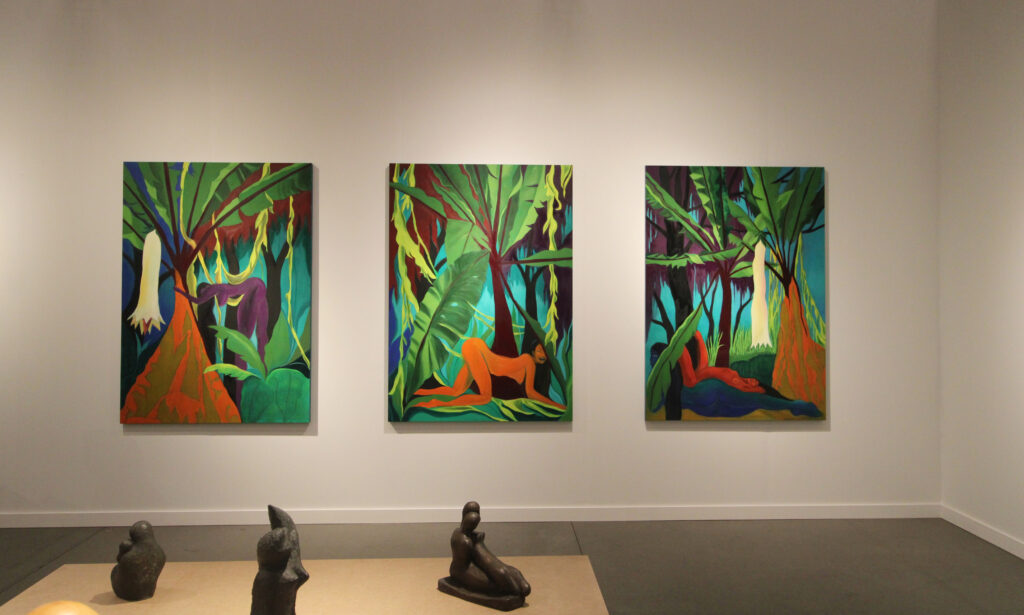
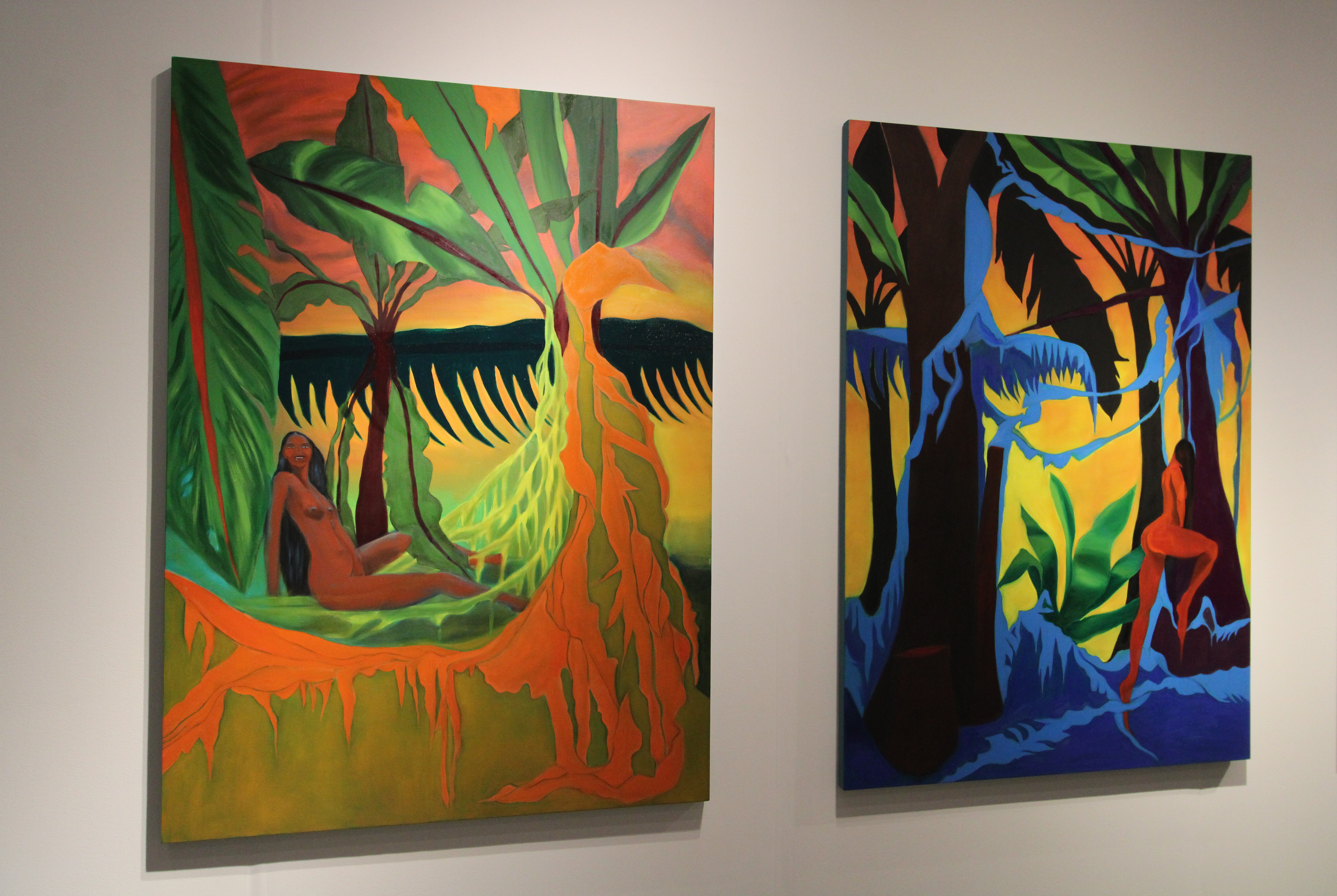
The Mexico City-based gallery OMR centered its exhibition around a series of eight new works, titled “Into the Wild”, by artist Pia Camil. This new series is inspired by Camil’s current residence in the forest and her observation of those surroundings, primarily the Güembas plantain trees. Her works convey a sexual vivaciousness and a powerful ferocity that I also overheard being mentioned by other patrons at the fair. In Camil’s artistic version of the wild, there was a noticeable lack of men; the women have taken charge. That ferocity clearly resonated with buyers. Priced at $45,000 each, many sold on Day 1.
James Cohan
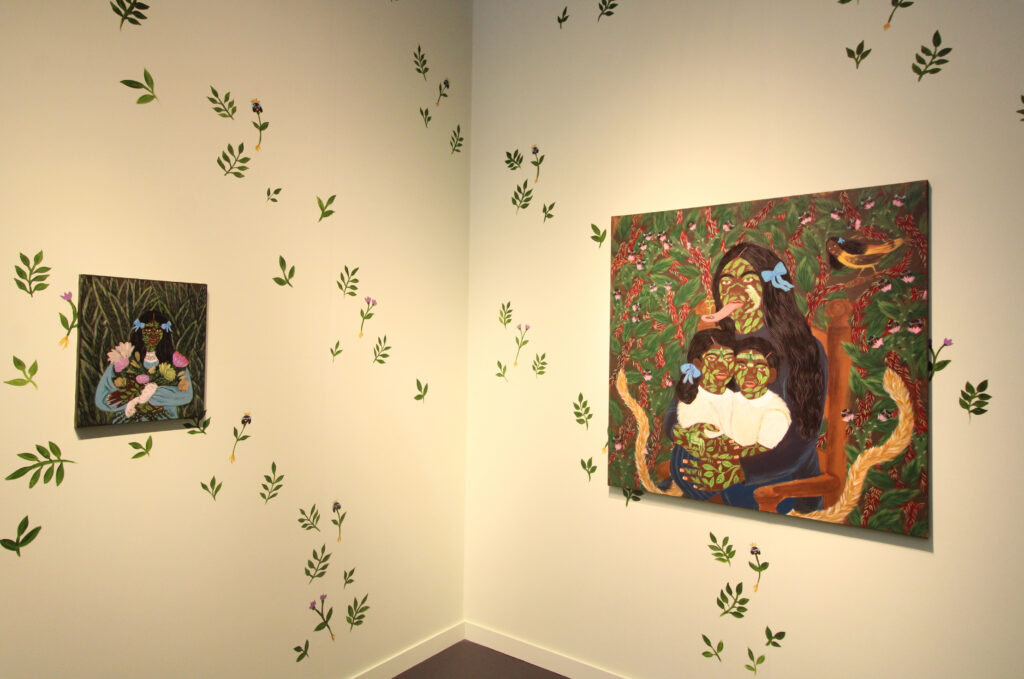
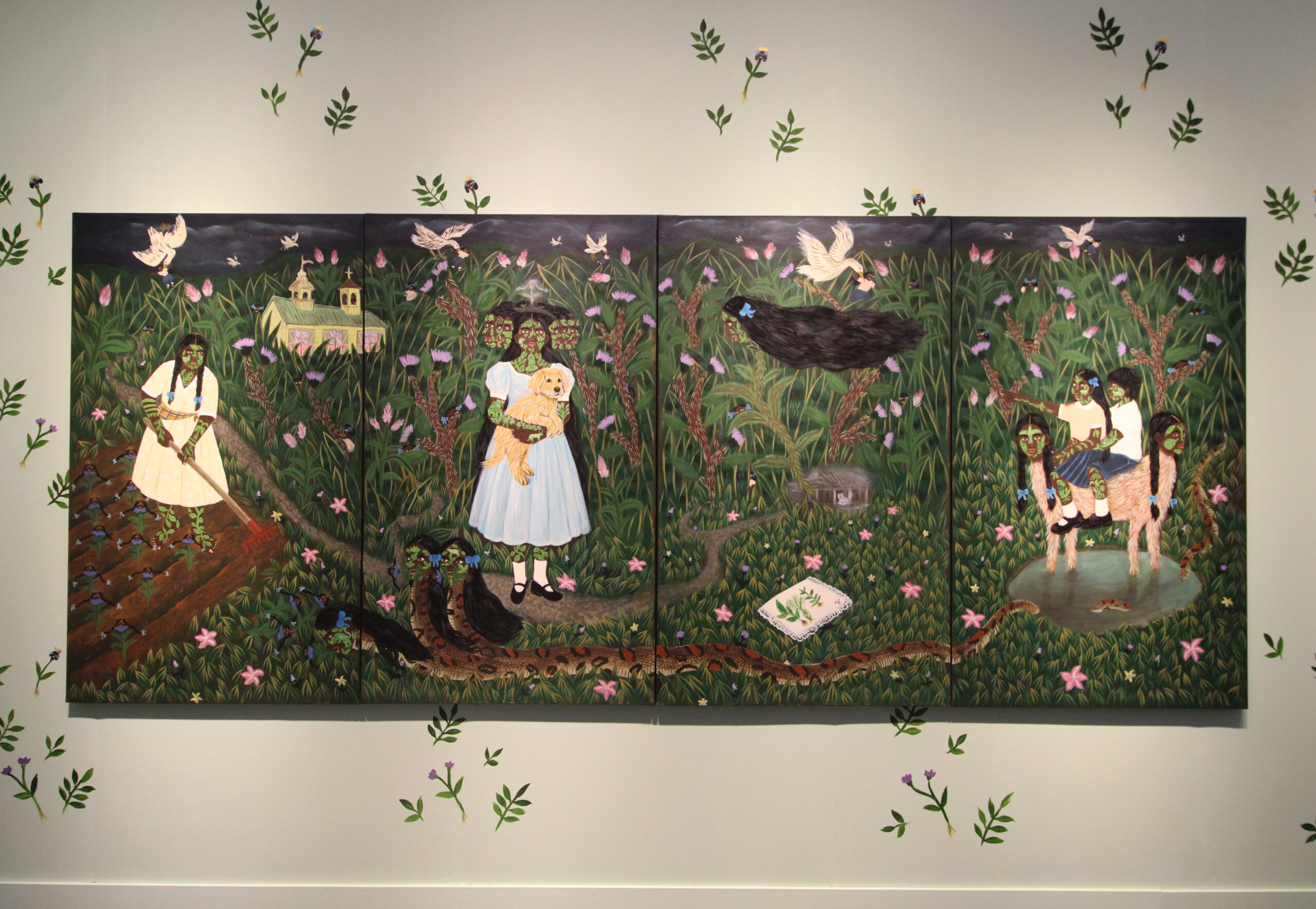
James Cohan staged a solo showing of works that artist Kelly Sinnapah Mary is debuting from her series “Violette’s Garden”. Violette is Sinnapah Mary’s grandmother and acts as a matriarchal anchor for the work. As a part of the booth’s presentation, the artist painted the walls to present as an extension of the artwork, which emphasizes the connection between family ancestry and the natural world. By tending to the land, the message seems to say, we promote the growth of humanity. There is no separation between us and the environment; we are one with the Earth. Cohan’s booth sold all of Sinnapah Mary’s work; “The Sacred Garden” (2026, shown above) sold for $130,000 and her other works sold along a spectrum of $20,000-$95,000.
Yeo Workshop
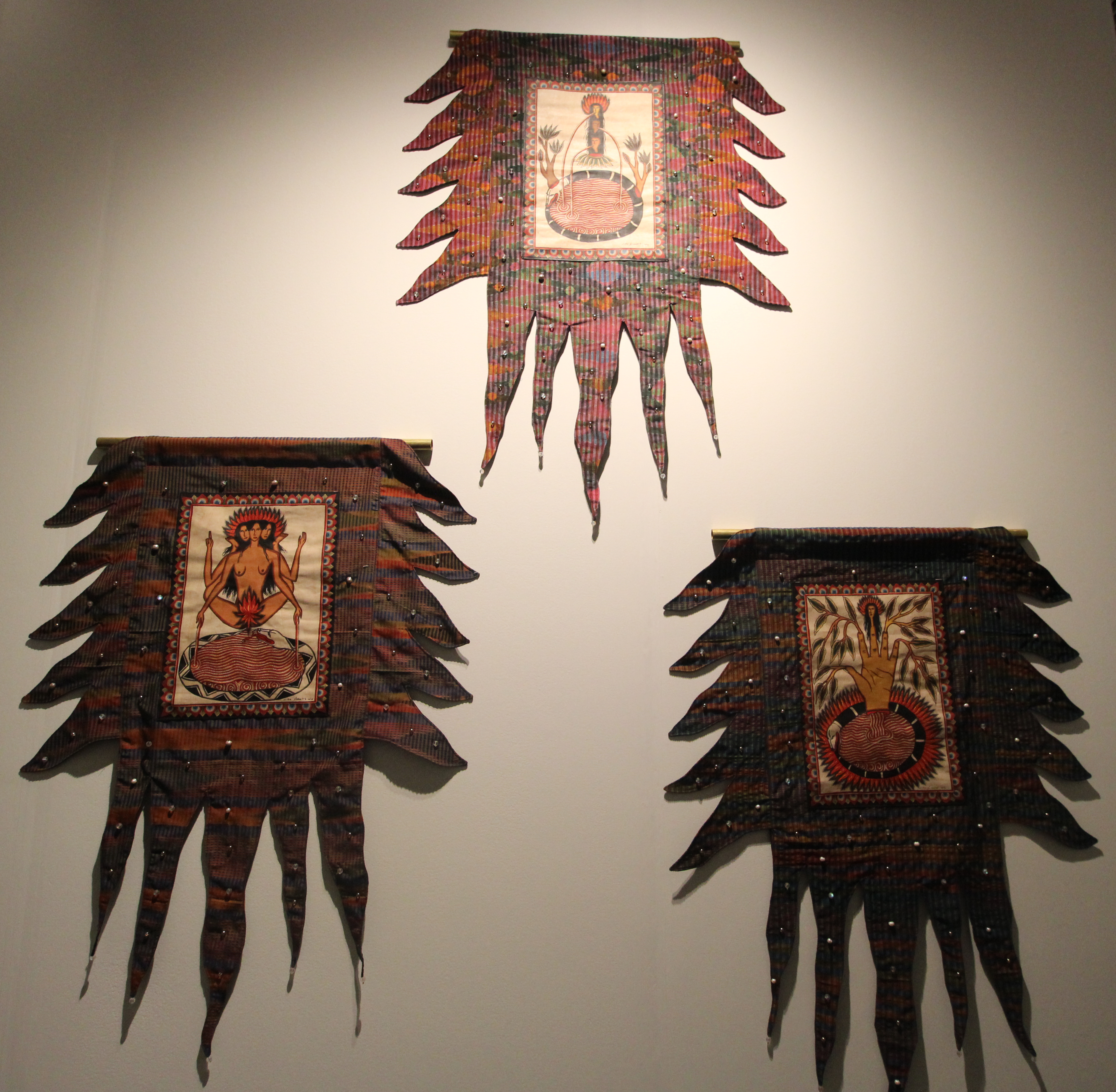
Singapore’s Yeo Workshop, which split a booth space with G Gallery, presented a trio of Southeast Asian artists who brought up themes of memory, identity, and colonial legacy. Citra Sasmita, in particular, invoked the powers of women and challenging the partiarchy via her Kamasan paintings on canvas. Kamasan paintings were historically practiced only by men, who depicted women as sexualized and evil beings. What Sasmita did in her work was own that depiction by portraying her characters as powerful figures. One of her works sold during Frieze for $20,000.
Southern Guild
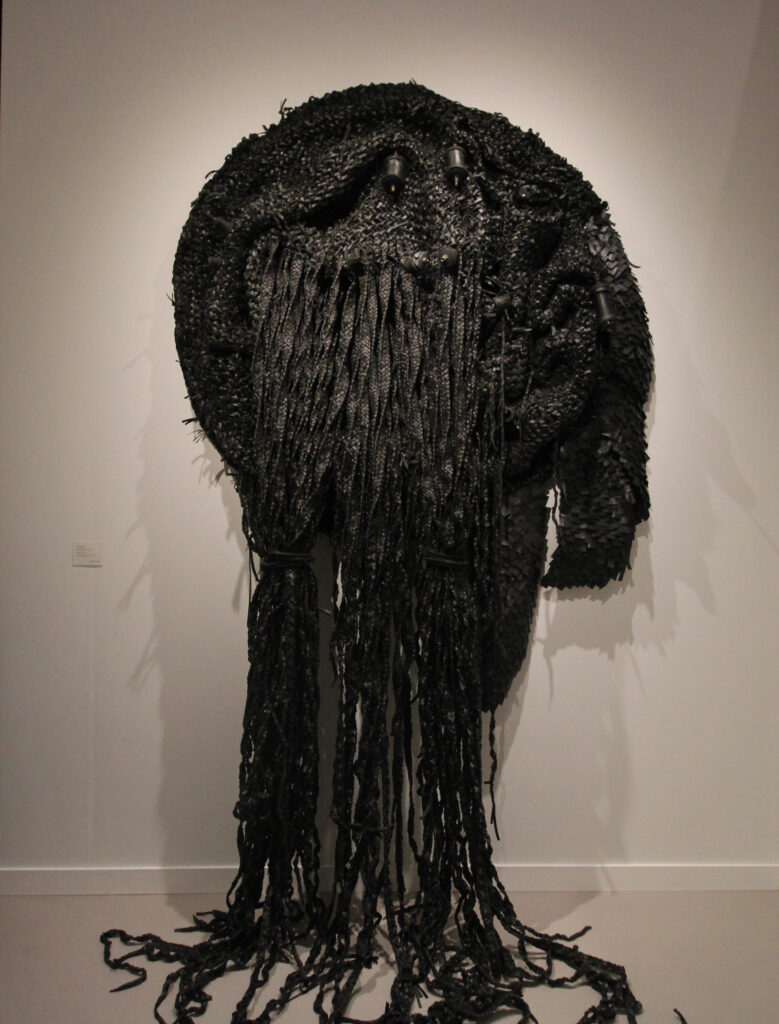
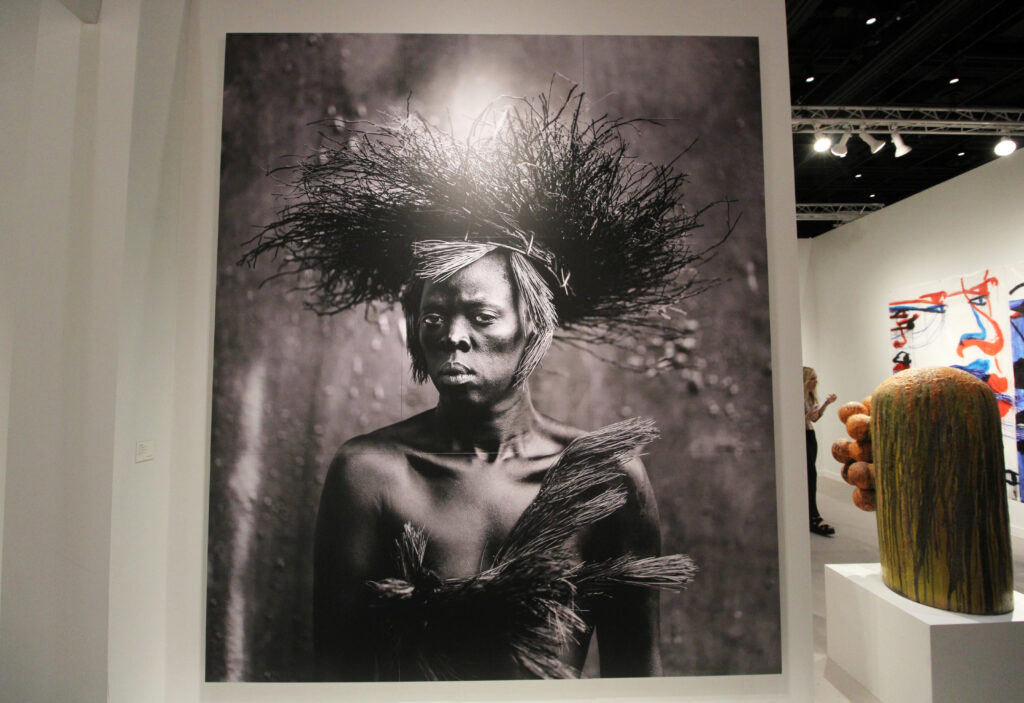
The presentation from South African gallery Southern Guild, which recently opened a location in April at 75 Leonard Street in Tribeca, was especially strong. You could tell from the moment that you entered the gallery’s Frieze booth that there was something different about the work on display — that there was a forceful narrative behind the art. The works spanned sculpture, painting, ceramics, installation and photography, and touched on issues of identity, visibility, and more. In Zanele Muholi’s “Isiqhaza II, Philadelphia” (seen above), you can feel the keen sense of self-pride and the strength of purpose in the artwork’s subject. This person being shown is not one to be messed with. And, as for sales, Southern Guild sold numerous works ranging from $20,000 to $38,000 each.
It’s easy to think, with the numerous tragedies currently happening across the world, that the art market would slow down and that sales would taper off. While that may be the case in some parts of the art world, in the upper reaches of the commercial art space, this simply does not line up with reality. In fact, the opposite appears to be true. Sales at Frieze New York 2026 were strong. We’ll see how long that the upper tier of art continues to fly high, but with the current disconnect that both the art market and the stock market seem to have with the broader global economy, I wouldn’t expect things to change anytime soon.
Art, after all, is seen by some as either a product or an investment, depending on what position that one holds. And if art fairs provide the opportunity to engage in profitable commerce, then many who are able to participate are not going to pass up the opportunity to do so.
To subscribe to Manic Metallic‘s Substack newsletter, click here.