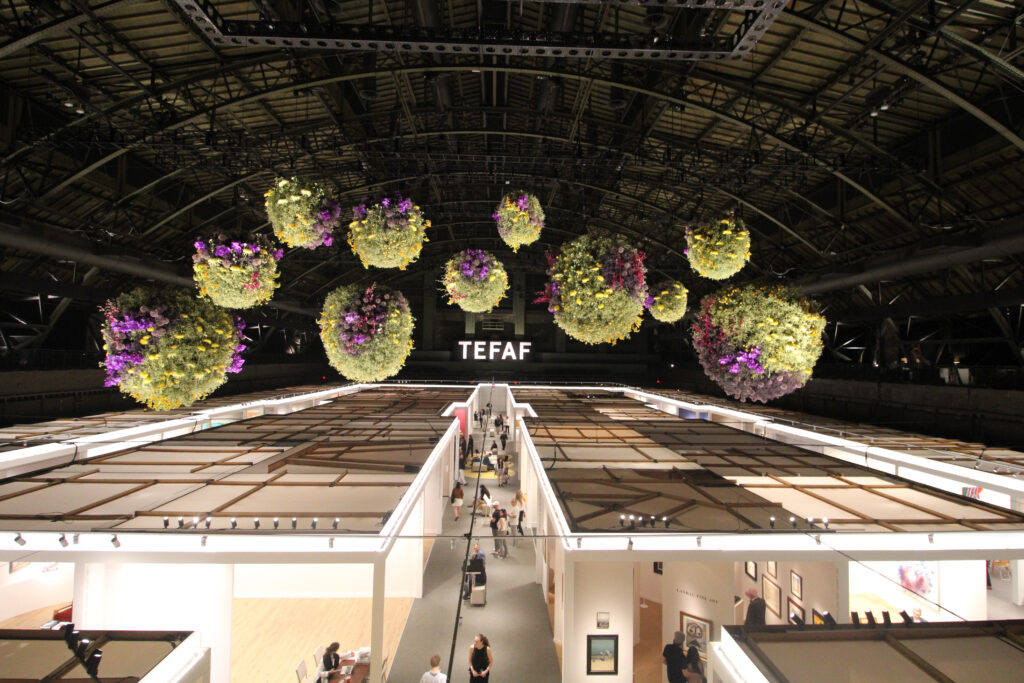
For those familiar with the art world and its various happenings, the European Fine Art Fair (TEFAF) stands for high design, high class, and high wealth. The mood is set when you walk through the doors of the storied Park Avenue Armory on New York’s Upper East Side: the exquisite florals, the champagne, the oysters, the historic period rooms that only TEFAF New York is allowed to access for its yearly exhibition of some of the world’s most impressive art.
The fair, with this year’s edition held from May 15-19, hosts everything ranging from antiquity-era statues and Impressionist paintings to extravagant custom-made jewelry and everything in between. It’s important to note that, despite its reputation for containing art from across centuries of history, TEFAF managed to maintain a balance of being elevated and above the fray while also being of-the-moment and carrying art with something to say. It was like physically inhabiting a well-edited design and culture magazine devoted to the most high-minded art in the world.
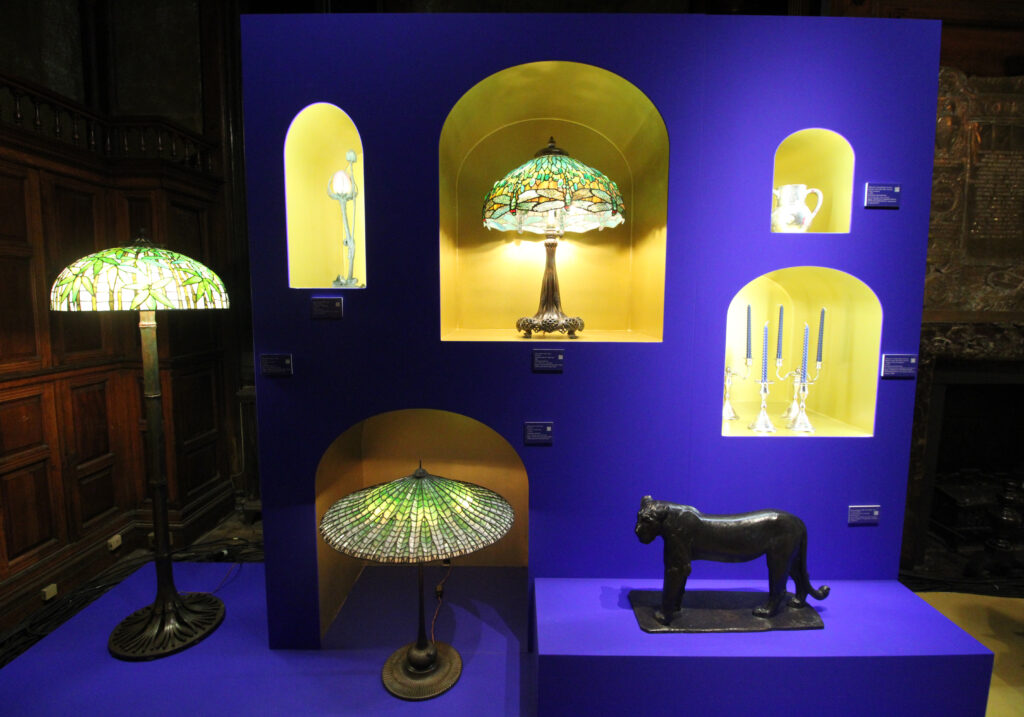
Macklowe Gallery’s arrangement of lamps from Tiffany Studios New York, placed on a blue backdrop with yellow carve-outs, was solid exhibition design — especially taking into account the visual combination of the period room’s wooden walls that it was in on the second floor of the Armory. Macklowe Gallery’s exhibition design paid off: among other sales, its “Curtain Border Floor Lamp” from Tiffany Studios New York sold for $195,000.
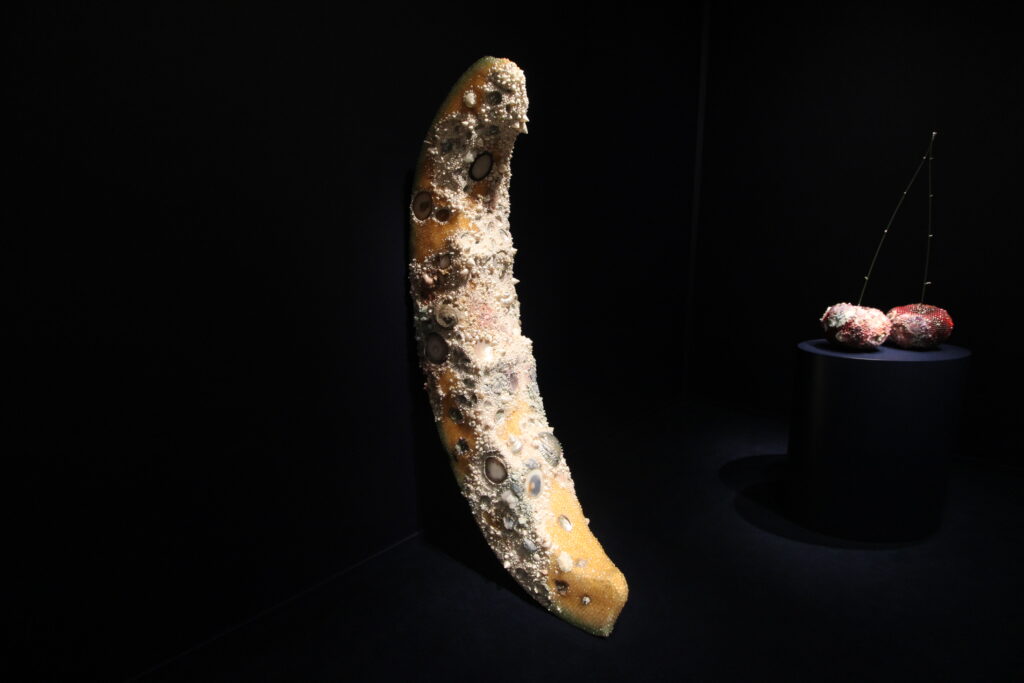
When coming across Gagosian’s TEFAF booth, attendees were greeted with a solo presentation of Kathleen Ryan’s “Bad Fruit” — large sculptures of fruit created to look as if they were decaying. The intellectual thesis behind it was interesting: it was a statement on consumerism and how we discard so much under our system of capitalism. Ryan takes that culture of disposability and turns it into something beautiful — in her world, mold is not a fungus made of spores, but a structure made of pearls, opals and crystals. Ryan’s works sold out during TEFAF’s preview.
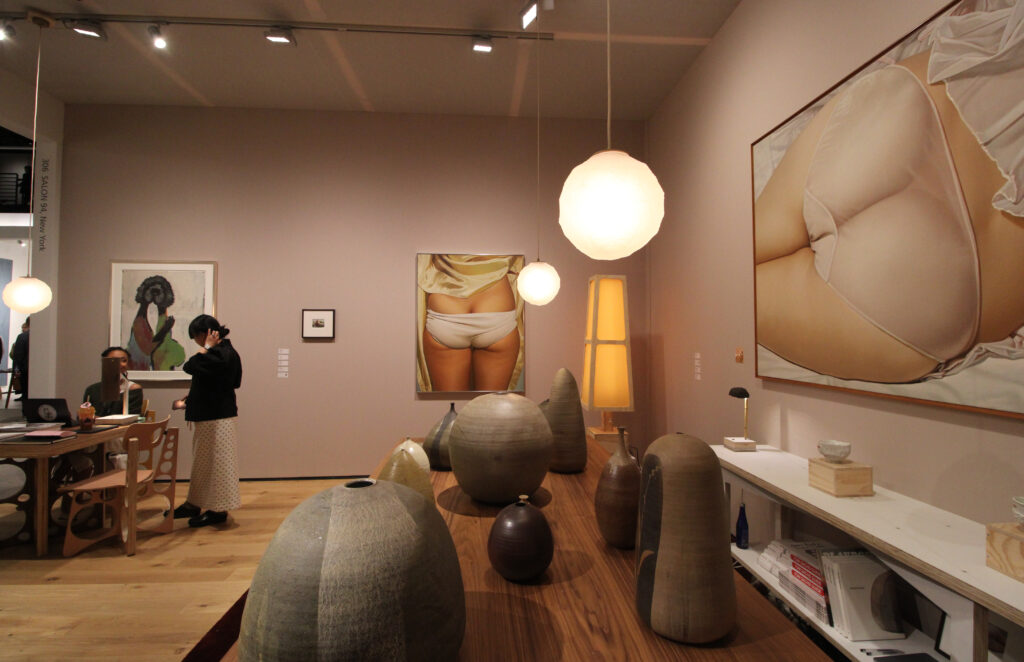
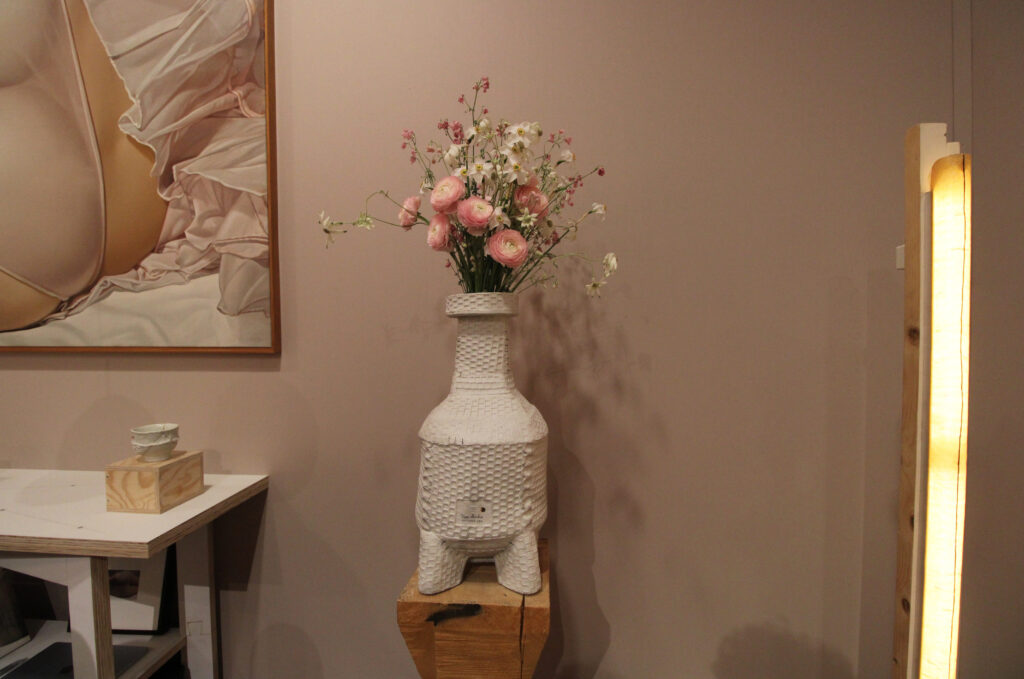
Salon 94’s booth felt as you would expect that a space designed by a contemporary gallery based on New York’s Upper East Side would feel: refined and stylish. It even nails the UES tendency toward the Parisian (this booth was partly based on artist Fernando Botero’s bedroom in Paris, so this tracks). The booth, anchored by ceramics from Shoko Suzuki and lamps & furniture by Tom Sachs, reads like an invitation to an elegant gathering. Only, this gathering also includes the seductive artworks of John Kacere situated on the interior walls. The women in these works are faceless; you see their bodies in undergarments and nothing else. This could be anyone, young or old. Given the recent revelations from the investigation into disgraced financier Jeffrey Epstein (who had an infamous townhome in this very neighborhood) and those in association with him, it adds an unsettling element to this setup.
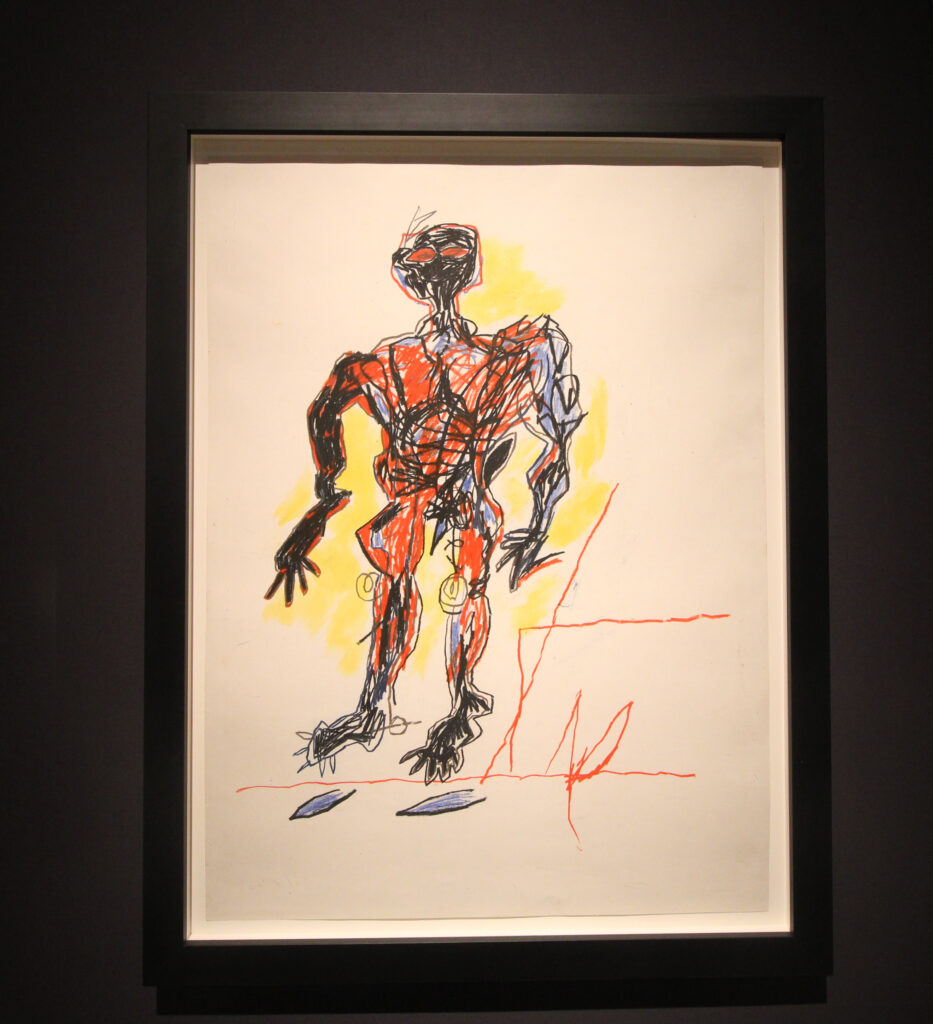
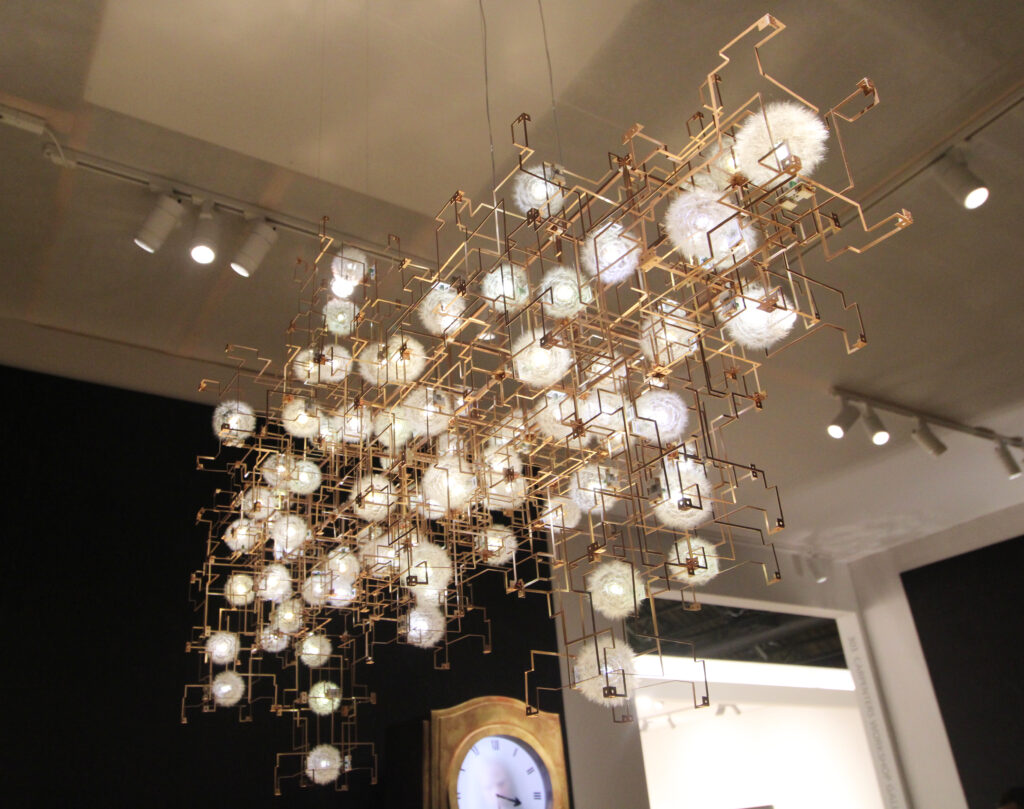
Elsewhere at TEFAF New York, there were a number of works by artists such as Jean-Michel Basquiat, Keith Haring, Alexander Calder, and Cecily Brown. Larkin Erdmann devoted its entire booth to works by Man Ray, the multidisciplinary artist closely associated with the Dada and Surrealist artistic movements. Carpenters Workshop Gallery staged some of the most intriguing furniture of the entire fair, including works such as a dandelion seed chandelier by Drift (seen above), a grandfather clock with a digital grandfather moving around inside, and a gunpowder-colored deconstructivist sideboard by Vincent Dubourg. Forms presented some of the most lavish jewelry in the building with craftsmanlike quality and an exhibition design to match. There were sculptures dating from BCE and Zaha Hadid benches fit for the most aesthetically progressive buyers out there.
And then there were these works.
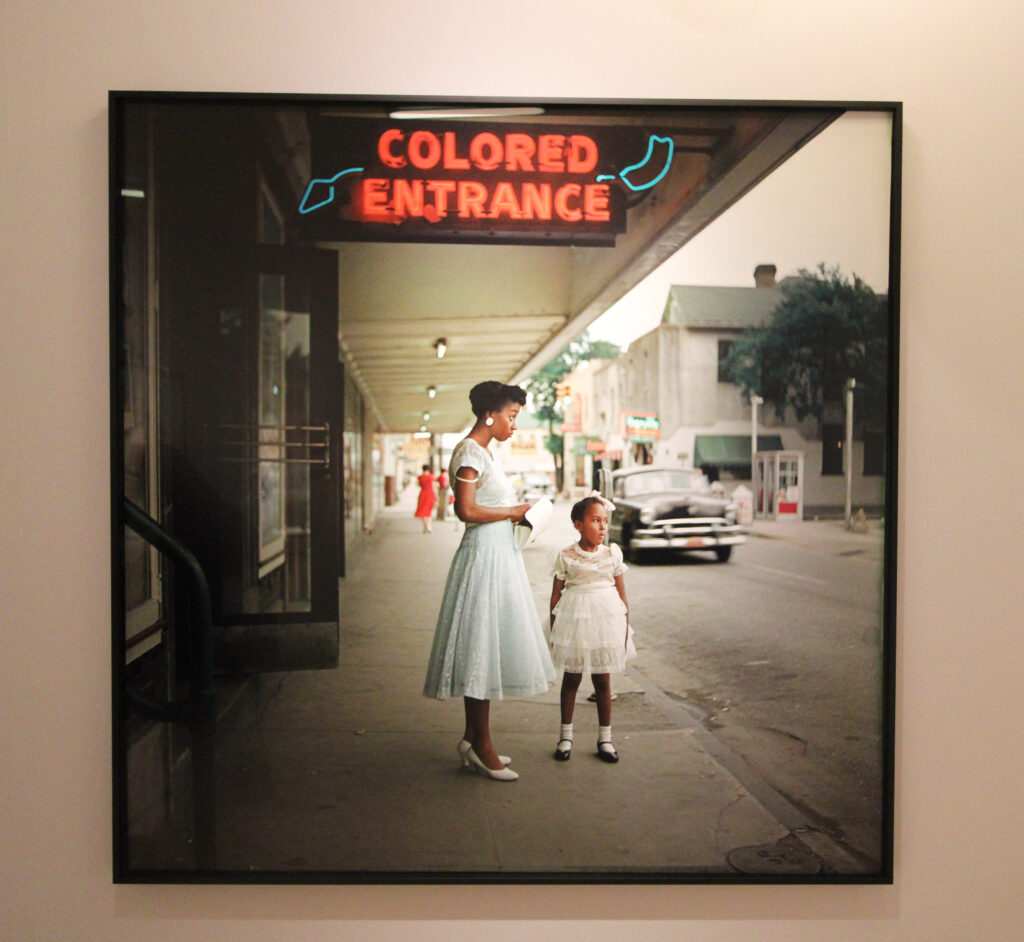
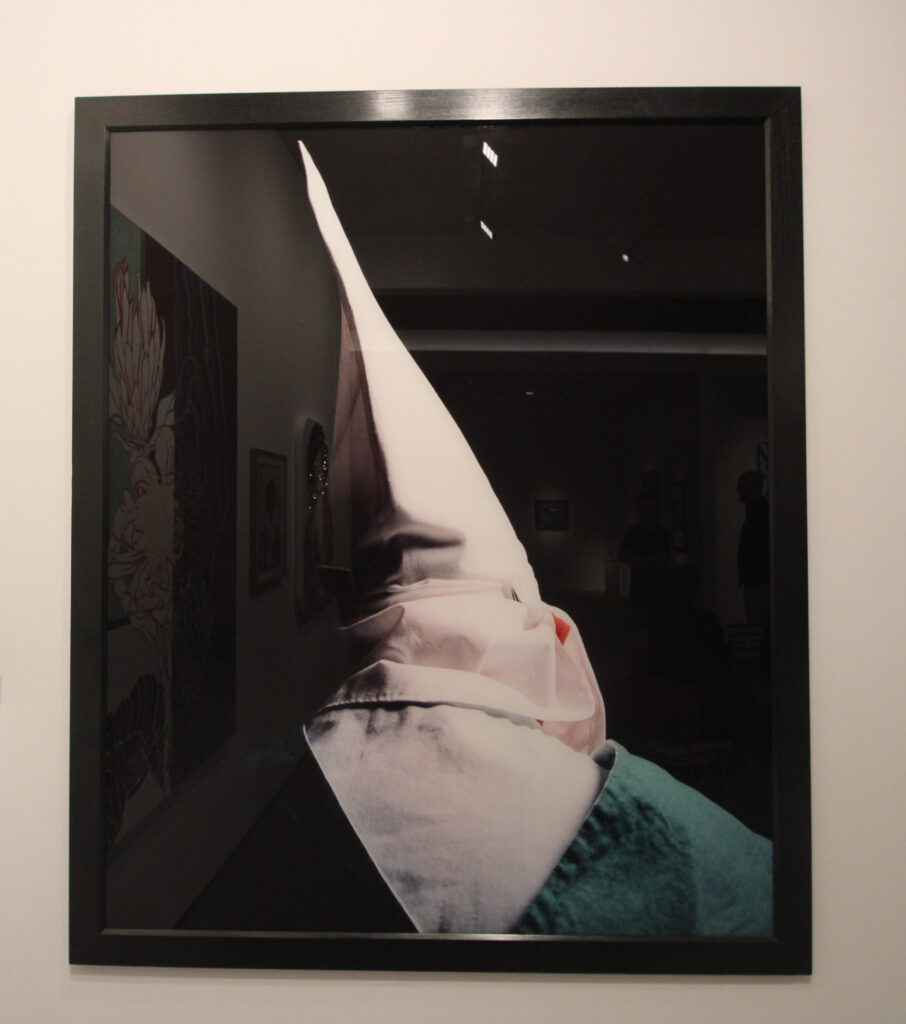
“Department Store, Mobile, Alabama”, by artist Gordon Parks, was a part of the Alison Jacques booth on the first floor among the gallery spaces near the building entry. “Klansman, Knight Hawk of Georgia IV (The Klan)”, by artist Andres Serrano, was a part of the Galerie Nathalie Obadia booth on the first floor a bit further into the galleries. It’s not as if these two works were placed together, yet they still managed to engage in a dialogue to which attendees bore witness.
It is the dialogue of a strain of racism that we had hoped would be buried in the dustbins of history. These works were created in 1956 and 1990, respectively, but the imagery is sadly becoming more contemporary by the day in the United States. These works, it should come as no surprise, were not staged by American galleries; they were staged by American artists whose works are held by galleries based in London and Paris. This message is one that American audiences need to see, whether or not one can afford to purchase the opulent works that TEFAF New York has on offer.
The message? Something about forgetting history and being doomed to repeat it.
To subscribe to Manic Metallic‘s Substack newsletter, click here.