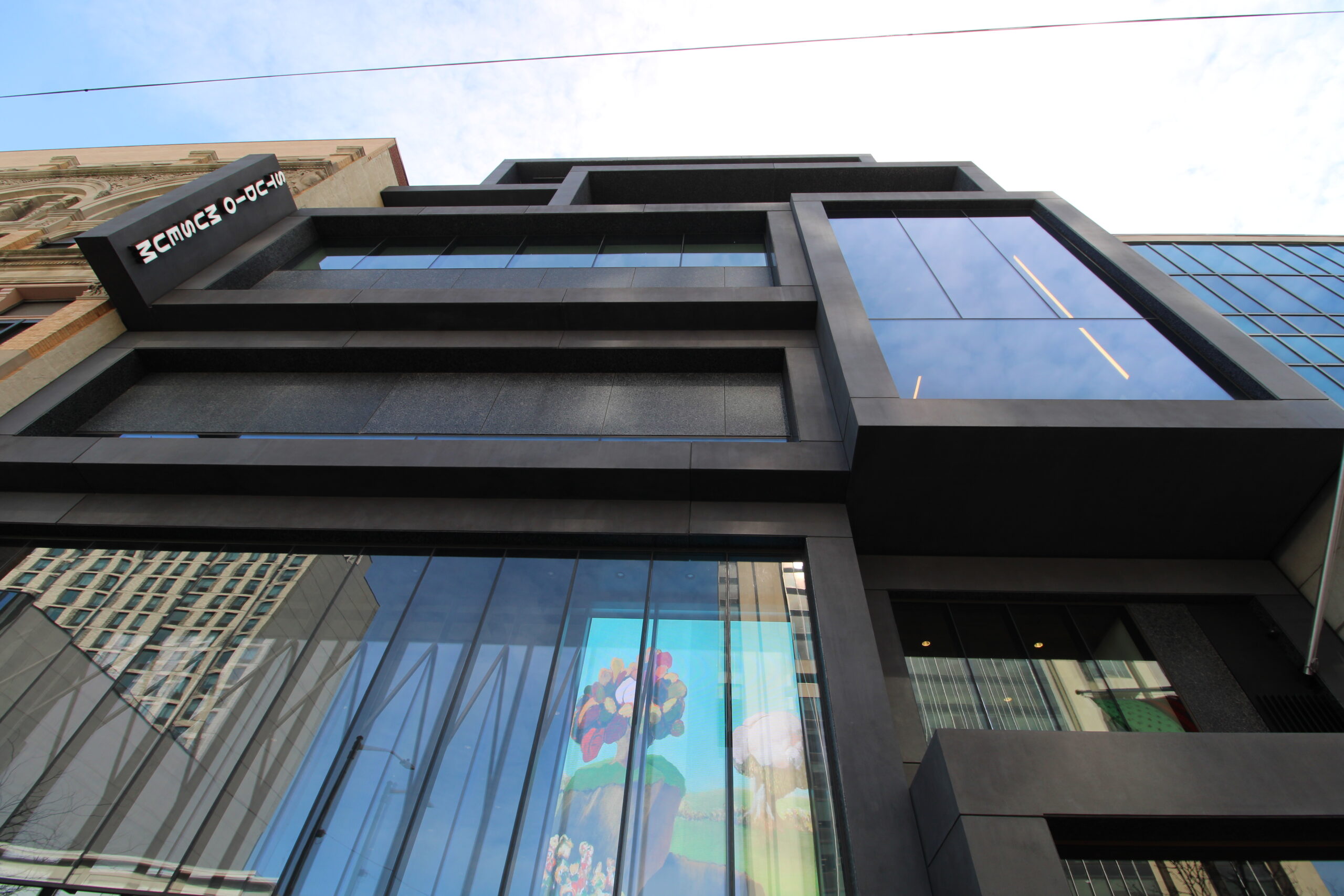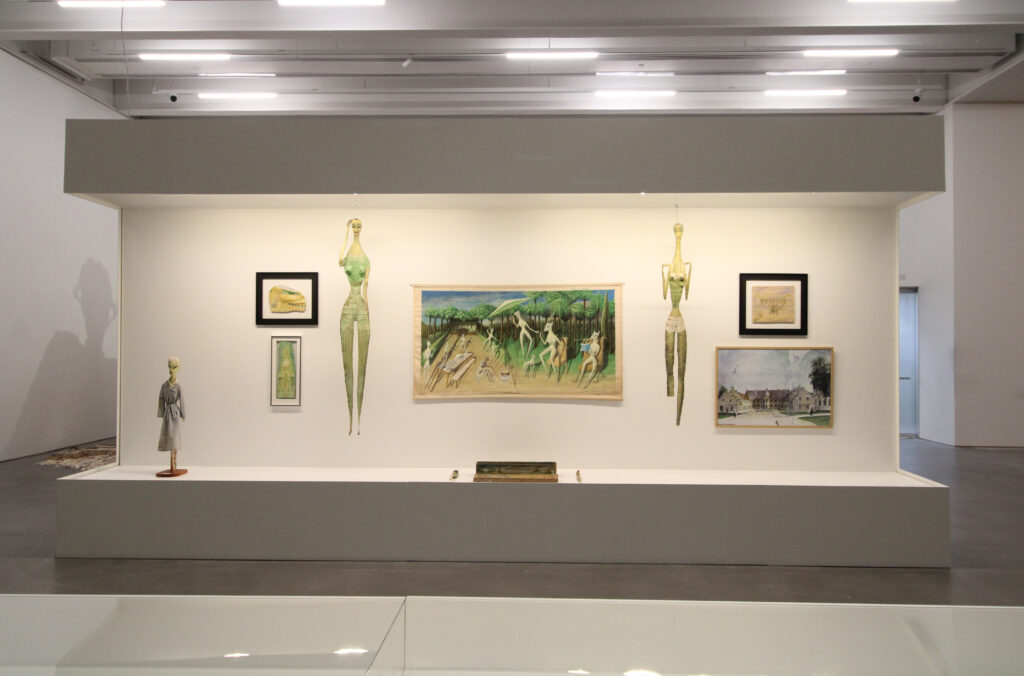
Everything is new at the New Museum, it seems. The Office for Metropolitan Architecture (OMA)-designed building expansion. The exhibits. The humans.
But we’re still working to find answers to questions as old as the Industrial era, especially this one: what does it mean to be human while coming to terms with an array of vast technological changes?
“New Humans: Memories of the Future”, the New Museum’s first exhibit on view in their expanded building, seeks to examine how artists have answered this question over the past century, around the time that the term “robot” entered our lexicon via Karel Čapek’s play R.U.R. (Rossum’s Universal Robots) in the early 1920s.
And what is implied to us during our time at “New Humans” is that we’re not very new at all. That is to say, we’re not that original.
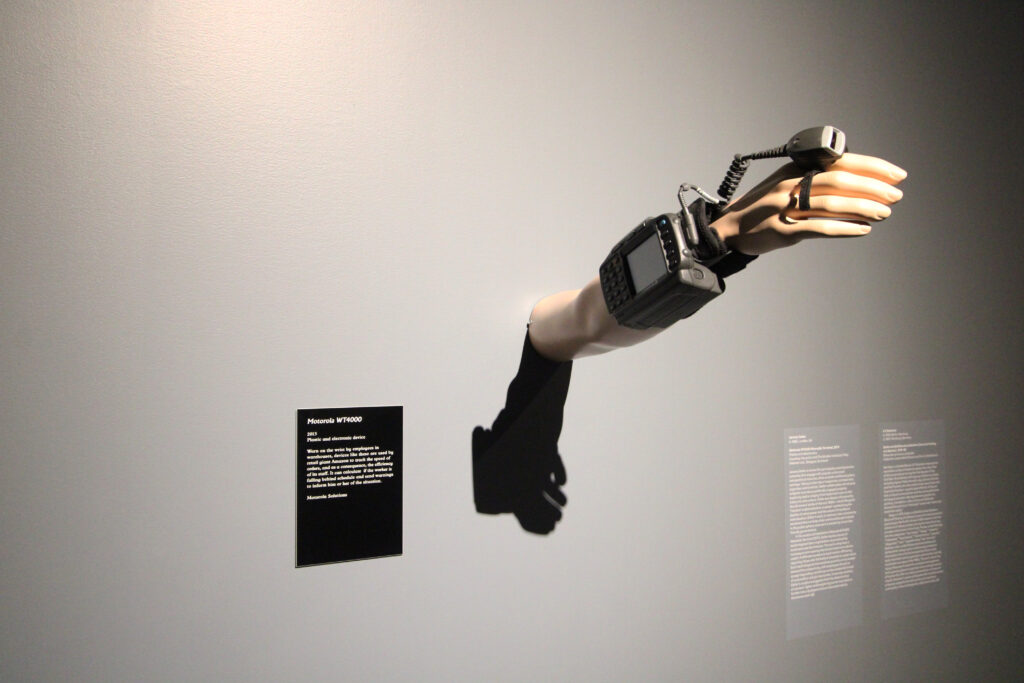
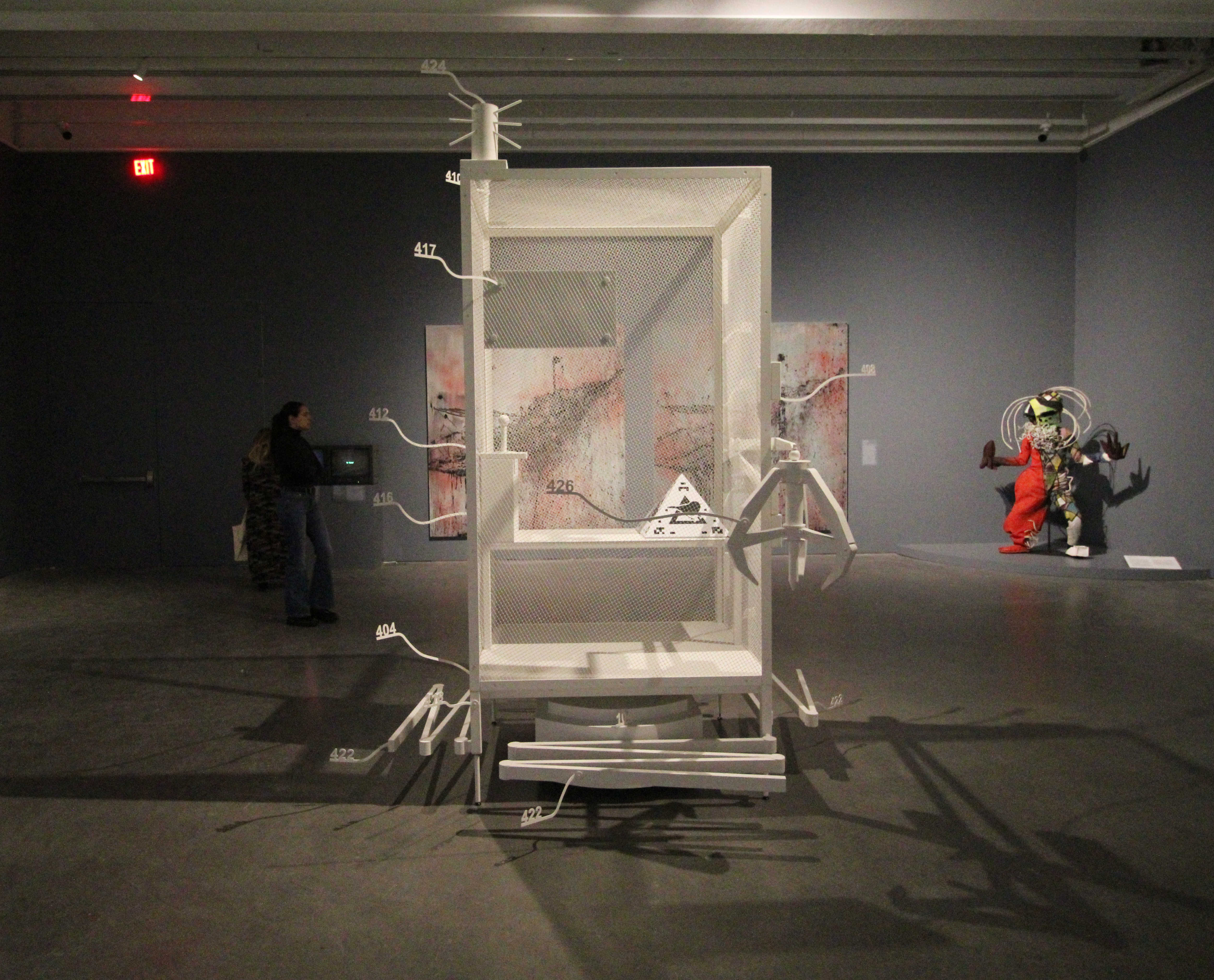
Past humans valued workforce efficiency. Frederick Taylor, the father of scientific management, created studies and tools to maximize labor productivity in the late 19th and early 20th century. This laid the groundwork for surveillance practices and abuses that employees experience in today’s workplaces. Take, for example, the device that Amazon workers have to wear on their arms while working in warehouses or the workplace cage that Amazon had patented (which ultimately ended up being abandoned as an idea). Taylorism as a workplace philosophy taught us that turning humans into machine-like beings was the best way to increase profit for the ownership class. That is not a “new human”, mind you; that is something more akin to posthumanism.
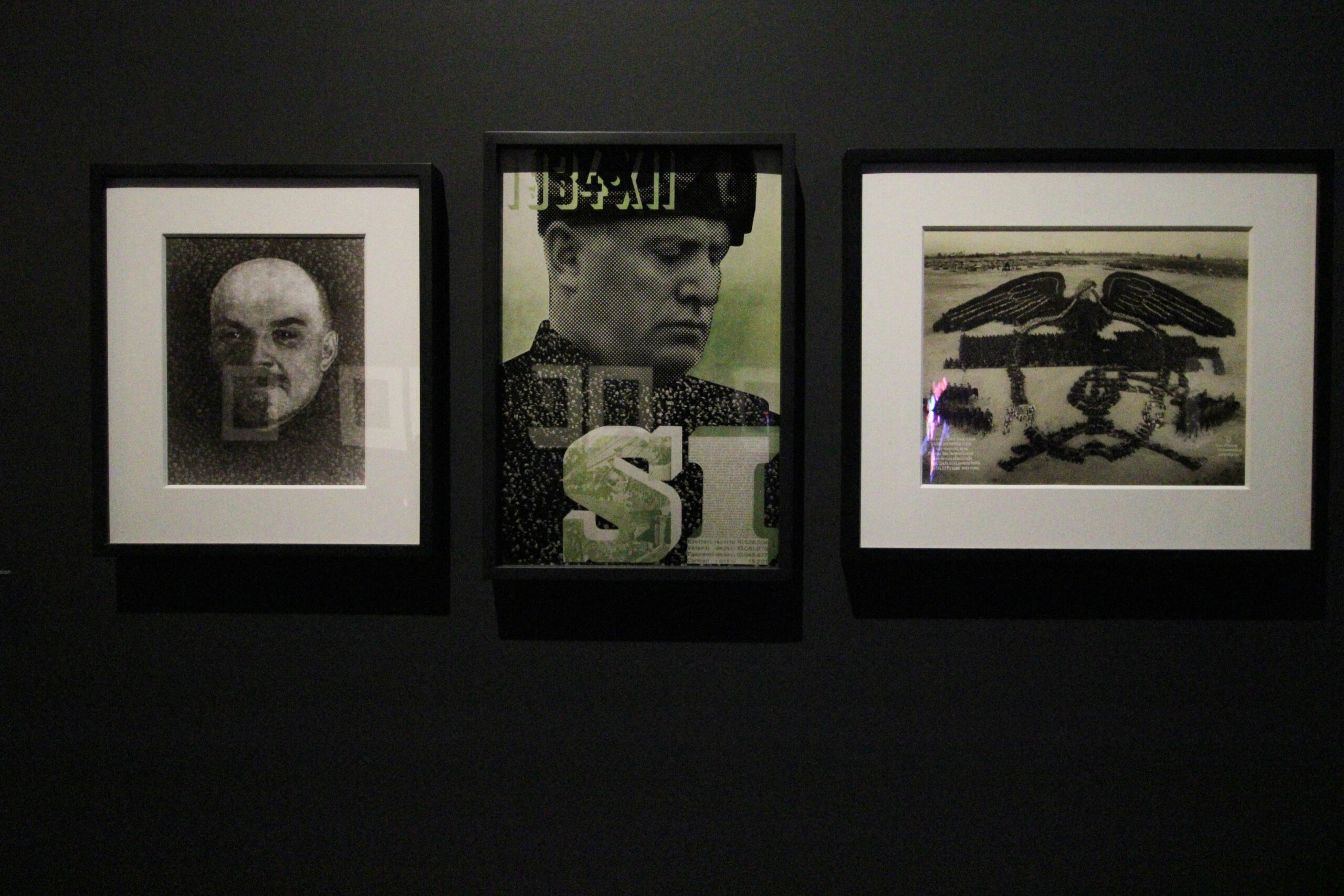
Past humans had to deal with fascism and authoritarianist strongmen. And those strongmen decided that using newer media forms to manipulate public sentiment was a great idea. Both German and Italian fascists used photography to promote unity and to gather support around their respective causes, bringing to fruition the Walter Benjamin quote from his 1935 essay “The Work of Art in the Age of Mechanical Reproduction” that “the logical result of Fascism is the introduction of aesthetics into politics.”
Today’s fascists have used social media and artificial intelligence to consolidate their rise to power in this same way. The “bot” has been a star player in the current authoritarian scene. Perhaps we should ask ourselves how we can be better humans in an age where bots are leading us dangerously close to societal collapse.
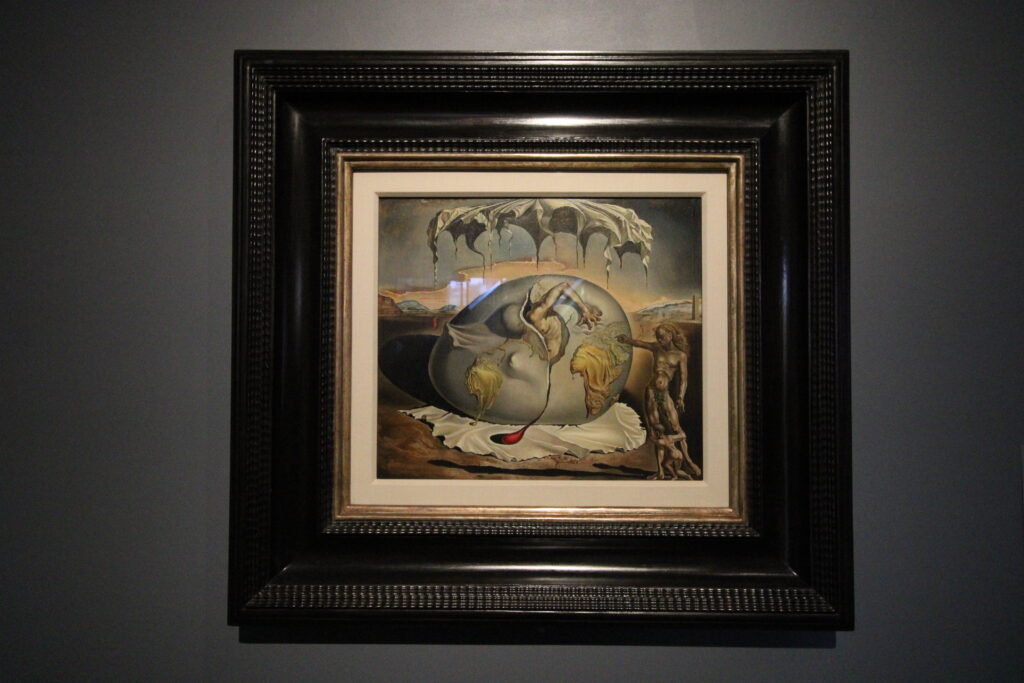
Past humans also had to deal with some of their heroes whom they thought were on their side showing their true colors and revealing that they are on the side of the fascist regime. Salvador Dali, for example was (and still is) a Surrealist hero to many, but he was also a fascist who was excommunicated from his circle of Surrealists for those beliefs. “Geopoliticus Child Watching the Birth of the New Man” (1943) was created during World War II, years after Dali praised Spanish General Francisco Franco’s Falange party. He claimed a new desire to be “classical”, and this work was part of his stylistic rebirth. Dali’s decision to show allegiance to fascism, while having nothing to do with the technological aspect that the exhibit nods toward, does constitute becoming someone “new”.
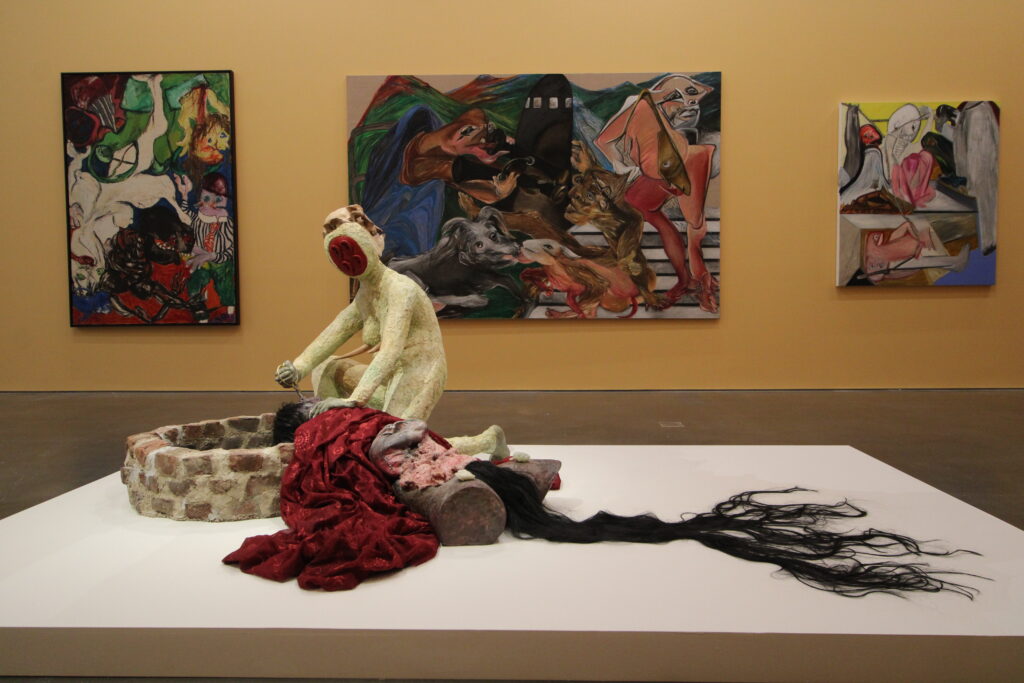
Past humans had to deal with unspeakable violence and savagery. Violence so raw, gory, and revolting that it seems an intrusion to glance in its direction. Your attention seems like a violation to the senses, and so you look away. This is how acts of barbarism are allowed to happen, and cruelty continues unchecked. This is how we lose our humanity.
We have frequently wrestled with questions surrounding Man vs. Machine. Will we morph into machines? Will the machines supplant us as the dominant species on Earth? Will the machines free us up to achieve our life’s work? Should we try to resist this process of evolving into a machine-dominant society, or is resistance an exercise in futility?
One thing to take note of is that progress has always been the order of things throughout human history. Where progression turns into malevolence is when achieving efficiency at the expense of human life becomes the end goal. Then, consider that efficiency has always been a driving factor of capitalism — and capitalism is driven by the profit motive. It is driven by greed. Indeed, it is worth noting that the term “robot”, from the Czech roboti, originally meant “serf labor”.
When we ask what it means to be human in the face of a myriad of technological changes, one of the reasons that we are having to ask this question in the first place is that the profit motive of our capitalistic society demands that we keep giving more and more until we have nothing left.
Instead of creating — or becoming — “New Humans”, why don’t we create new systems so that we don’t have to force ourselves to fit within a paradigm that submerges the human condition? What’s so wrong with being human? Why does our society have such a complicated relationship with our own humanity? It has become so hard to change the political and economic systems in which we exist that to transcend the condition of being human seems like the easier option.
And so we decide to try to crack the code of transhumanism as if that will solve all of our problems as a species. This will likely work as it always has in the past — it won’t.
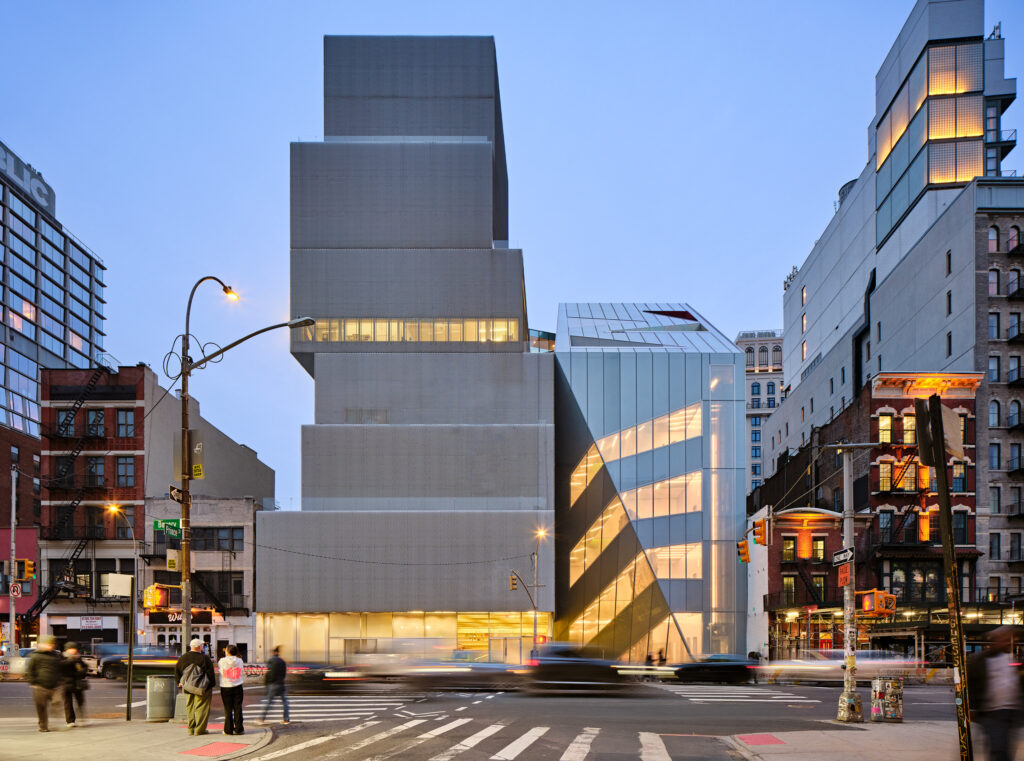
“New Humans: Memories of the Future” provides us with roughly 700 works of art, which is too many to sufficiently take in with one museum visit. I am led to believe, then, that to oversupply us with artwork in its inaugural exhibit after having closed two years ago to construct the OMA-designed building expansion is a way for the New Museum to reassert control over the contemporary narrative in New York City. As the “only museum in New York City exclusively devoted to contemporary art”, I’m sure that museum leadership sees this as a part of its mandate. And to have brought OMA — an architecture firm known worldwide for its conceptual dynamism — onboard as your design partner was the equivalent of working with your intellectual equal. It was a perfect philosophical match, really. This design, according to the firm, was meant to complement the SANAA building while asserting its own identity and taking inspiration from romantic relationships between two parts of a whole.
Similarly, our past and our present work together to create our future. We are not “new” humans; we have simply evolved. And that version of ourselves will face the same questions that we have faced for centuries, just as we are facing them now.
No amount of transcending humanity can change that.
“New Humans: Memories of the Future” will be open to the public for viewing on March 21, 2026 at the New Museum in New York City.
To subscribe to Manic Metallic‘s Substack newsletter, click here.