A woman was asked on television if she would rather marry a Black or White man. She says that either would be fine. She is then asked if she would rather fall in love with a Black or White man. She responds with the answer, “a White man”. The interviewer follows up with the question of whether or not she would like to be white. She said “I’d like to be White”.
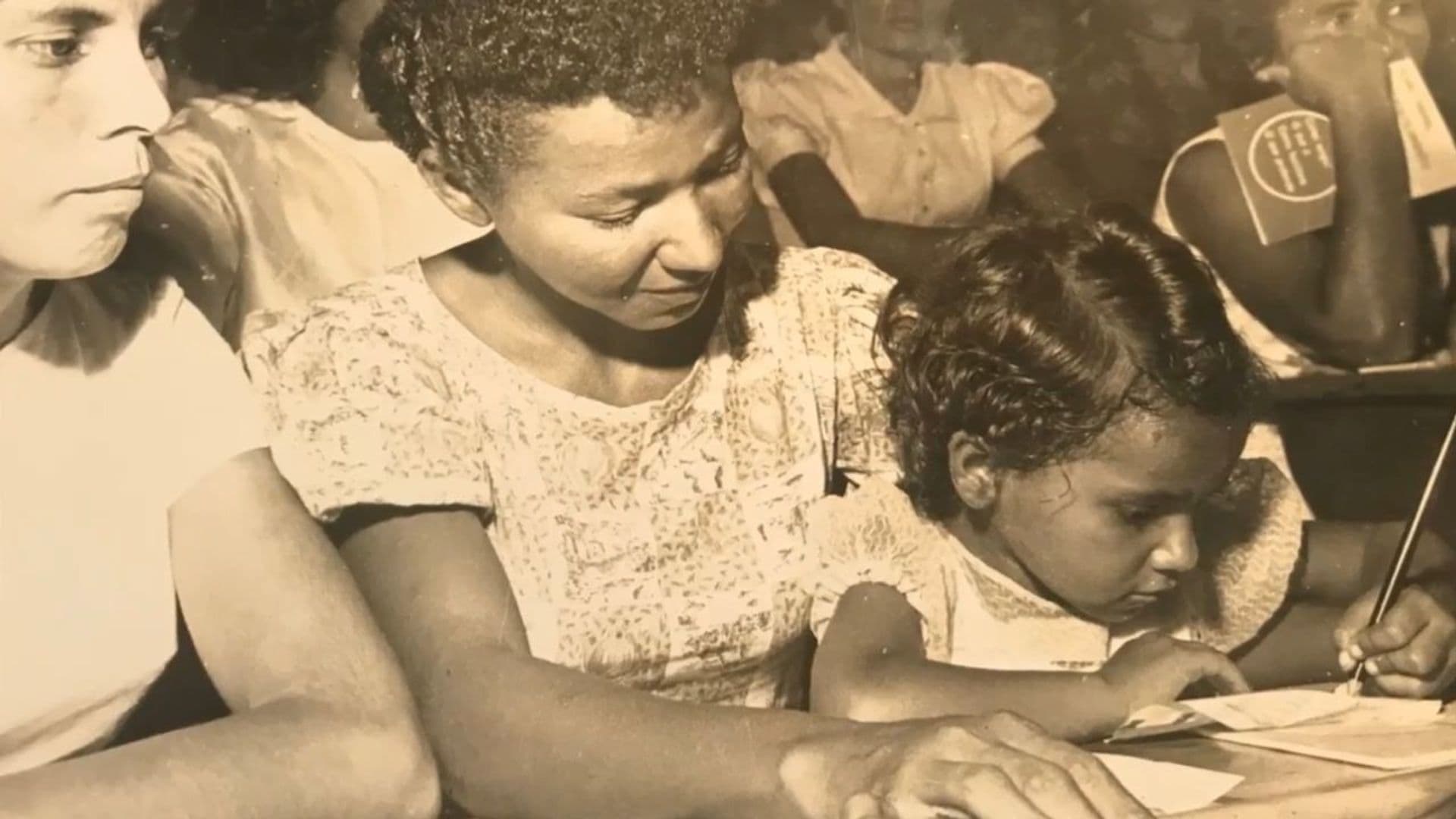
This was an emotionally painful scene to witness, like so many others in the film. It was a clip of archival footage from Canada in the late 1960s. I bet that, like myself, many viewers were unaware that Canadians held unfortunately retrograde views on race just like other major countries in the Western world. This is what “True North”, directed by Michèle Stephenson and shot in black-and-white, aims to bring forth to viewing audiences along with Canada’s place in the 1960s civil rights movement.
The documentary itself starts with the question “Is Canada a racist country?”, asking the viewer to answer that question for themselves. Many of them will likely give Canada the benefit of the doubt, and they will be proven wrong. Though the film focuses around the racial clashes in Montreal, which is Canada’s second-largest city and which had a Black population of less than 5% in the 1960s, it also touches on racial tensions elsewhere, as in the case of Nova Scotia’s former Africville community that was bulldozed by the city of Halifax.
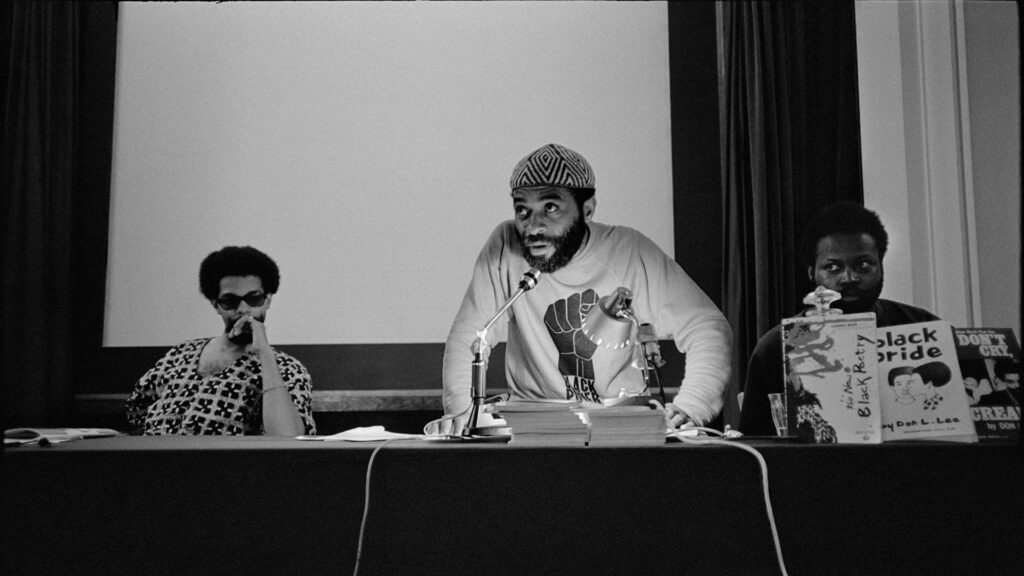
As with many Black people in the 1960s, Black Canadians began to fight back against racism, inspired in part by their Black compatriots in America. One of the more infamous ways in which they stood up to prejudice was with the Sir George Williams Computer Centre Incident in 1969, where a group of students mounted an occupation of a computer lab to protest the university’s refusal to discipline a racist professor. What this incident shows is that Canada has its share of police brutality, government oppression, and colonialist legacy. With the way that the protest film scenes are edited together and the content that they show, you wouldn’t know if you were looking at 1960s America or Canada if you weren’t told what country the film was about.
“True North” is a necessary film to see, especially for those who want to know the truth about the prejudiced deeds of a prominent Western country in the 20th century and the brave souls who summoned every ounce of courage that they had to fight the good fight. Brenda Dash, Rosie Douglas, and others made good trouble. It’s time that we recognize their part in the Black liberation struggle.
To subscribe to Manic Metallic‘s Substack newsletter, click here.