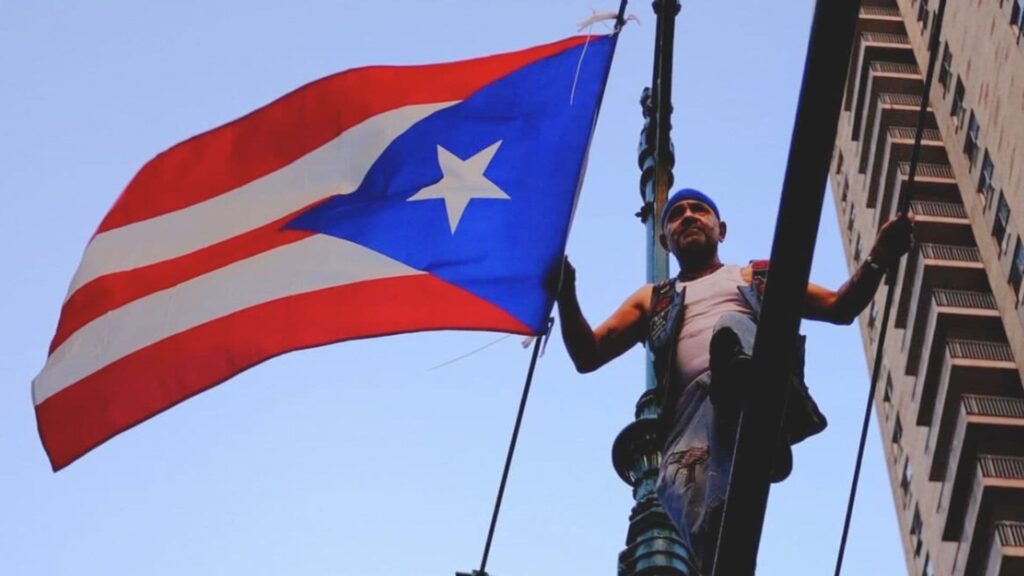
When you think of Manhattan’s Upper West Side, you probably think of shows like Seinfeld or Gossip Girl. If you are into the arts and culture scene, you might think of the Lincoln Center. Maybe you imagine a nice, romantic walk through Central Park, America’s most visited park. But what (or rather, who) you probably did not think about was the Upper West Side Puerto Rican community.
You wouldn’t be alone if they didn’t immediately come to mind when thinking of Upper West Side. But journalist and first-time director Taylor Hosking seeks to change that with her documentary “West Side Familia”.
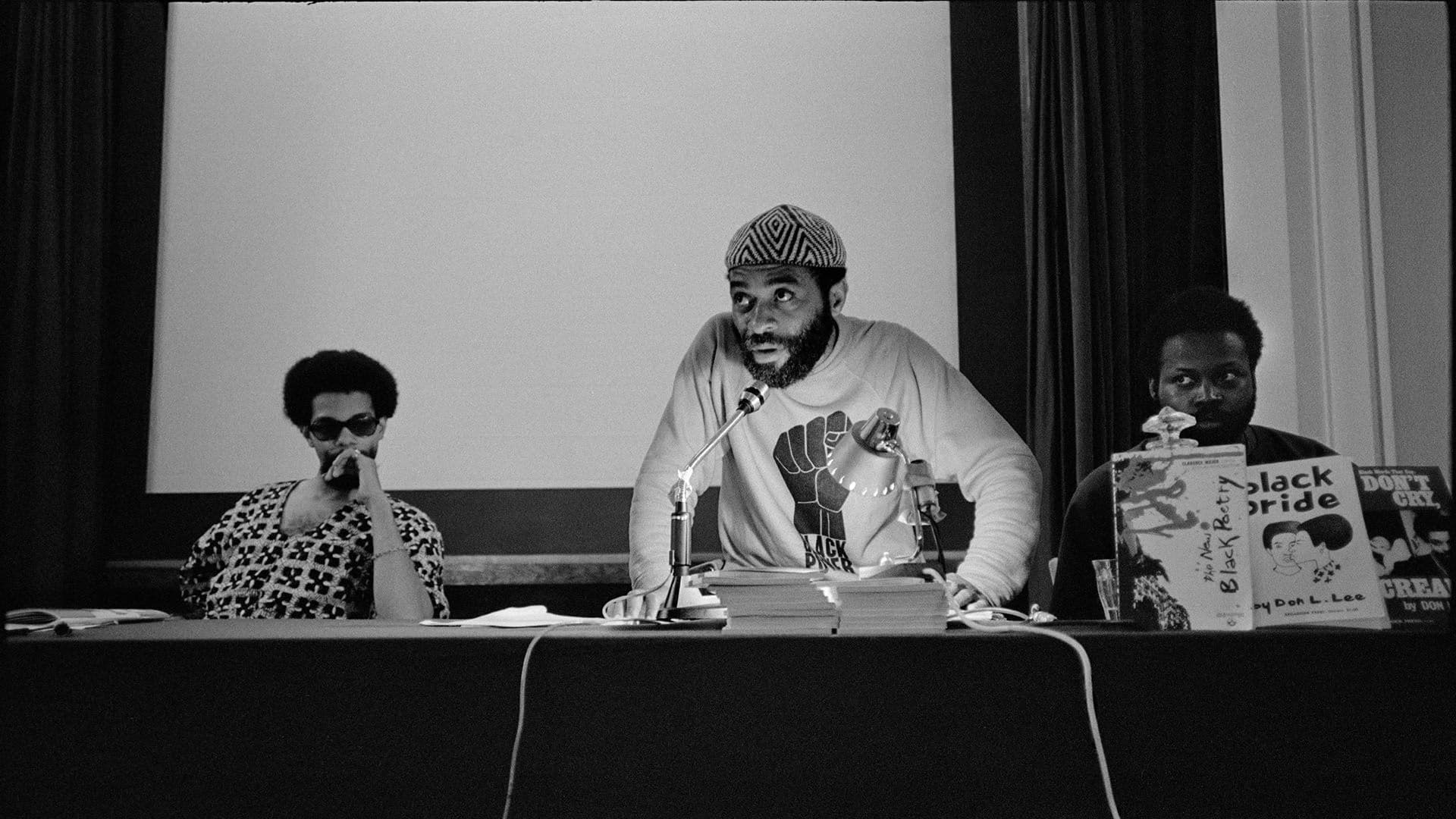
“West Side Familia” traces the history of a Puerto Rican biker gang and community care group that started in the 1970s and is still in operation. Chino, the group’s leader, is used as the primary guide as viewers are led through the storied history of the Familia as well as other significant cultural moments led by the Black and Latino communities of the Upper West Side. For all of the coming together, protecting each other, and participating in activism that occurred amongst these UWS residents, the crack epidemic began to take its toll on the creativity and soul of the neighborhood along with New York Mayor Rudy Giuliani’s racist policies that targeted people of color. Despite the turbulence experienced by West Side Familia, you find out later in the film that not one member of the group has been killed.
Though this is Taylor Hosking’s debut feature, her skill as a storyteller is apparent in the film. The pacing of “West Side Familia” plays out on the screen like one of the most engrossing culture journalism articles that you’ve read in years. Viewers are led through the documentary with Taylor’s narration, and she appears onscreen alongside her subjects as she interviews them while physically moving through different areas of the Upper West Side. This has the effect of making the audience feel that they, too, are there. Her career clearly works to her advantage, as noticed in the way that she is able to blend in with her subjects while still managing to maintain her professional composure. This could not have been an easy feat; she is, herself, an Upper West Side Puerto Rican, and her desire to create this film was spurred on in part by a desire to reconnect with a part of herself to which she’s never been closely acquainted. And Hosking stated in the post-film Q&A that much of her learning about the Puerto Rican liberation movement came from this project. One can imagine that in speaking with family, friends, and neighborhood members about Upper West Side’s past, present, and future acknowledgement of its Puerto Rican population, it must have been an emotionally complex issue for her to have to address on camera and come to terms with in real time.
And that emotional investment is part of what makes “West Side Familia” so great. You can feel the energy coming from the residents in both the archival footage and the interviews. You can also feel the resignation that residents have at their neighborhood being whitewashed and gentrified before their eyes. That resignation doesn’t seem to be rooted in vitriol, however, as much as it displays a desire to set the record straight and show the world that Upper West Side’s Puerto Rican population matters while also protecting and preserving their community. There’s a tension between older and newer residents, yet relations are placid compared to what the public has seen in other areas of the country experiencing gentrification.
Chino is keeping the West Side Familia gang going off of sheer love for his people, and doubts that it can continue after he is gone because the younger generation doesn’t seem as interested in taking up the reins. If the ranks of the UWS Puerto Rican community ever disintegrate, this documentary will stand as a testament to their contributions in building the neighborhood up to what it is today. As much as we don’t want to think of that disintegration happening, capital so often wins these days, so pieces like this become all the more important in documenting these histories before time unforgivingly papers over them.
To subscribe to Manic Metallic‘s Substack newsletter, click here.