What if we could increase voter turnout by increasing literacy rates?
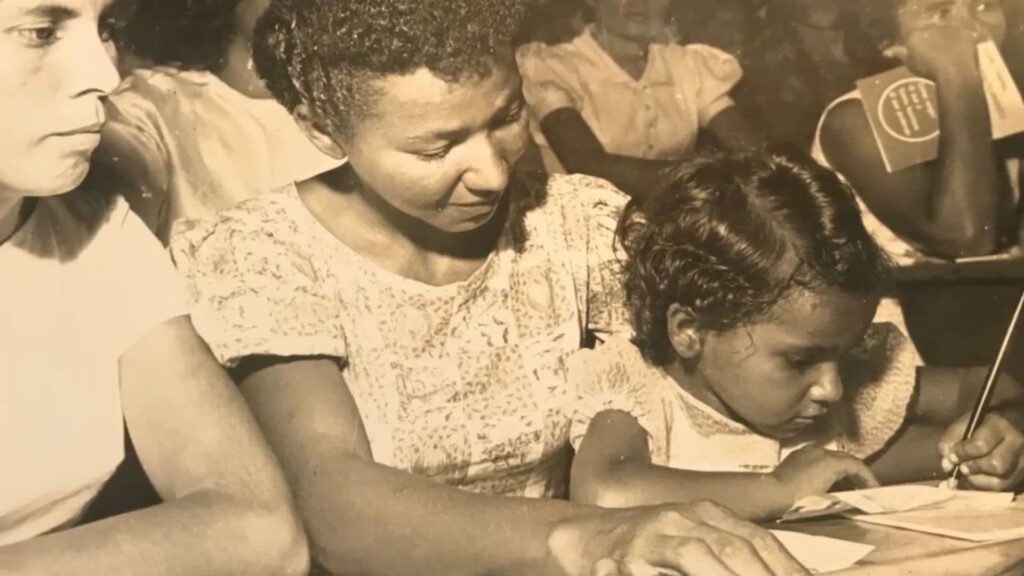
That was the question running through my head as I came away from the screening for “Reading the World”, which tells the story of rural Brazilians who learned to read in the 1960s using the methods of educator Paulo Freire and his collaborators. In Brazil during the time period depicted onscreen, those who were not literate were not allowed to vote. Freire’s method included what was known as “Culture Circles”, which used critical thinking and creativity as opposed to rote memorization. The method worked, and rural workers learned to read in just forty days.
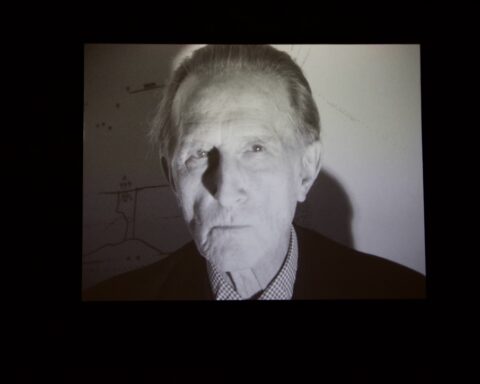
The documentary interviews farmers who learned through the schools and educators who taught there while also using archival footage to round out the film. The school’s students fondly remember when they first got the chance to learn to read, with one of them noting, “Not knowing how to read is the worst sadness in the world.” Watching the students answer the interviewers’ questions, it seemed that they were finding a part of themselves that they never knew they had thanks to Paulo Freire and his team.
With the success of this effort, rural workers were embracing their newfound ability to vote and advocate for their own interests. Those who want to keep power all to themselves don’t tend to like when the underserved gain strength — whether that be mental, financial, or otherwise — and as soon as a president was elected who offered agrarian reform and voting rights for all, he was overthrown in the Coup of 1964 with the support of the United States government.
It was endearing seeing these people be interviewed about when they learned to read — especially because in 2020s America, there seems to be such an aversion to the practice despite literacy helping people to understand their rights as citizens and to do things like obtain employment and comprehend the world around them in general. The shame here is that the Brazilians in “Reading the World” didn’t have access to the tools that today’s Americans do, so one wonders how our literacy rates got to be so low. There has been plenty of bandying back and forth in the public discourse about whether we have reached the end of reading. Ever since Johannes Gutenberg created the printing press back in the 1400s, society has only become more literate — until now. With this loss of literacy as a skill comes the inability to push for the betterment of our station in life.
The Brazilians in this film improved both their lives and their confidence immensely, and we should not be so quick to discard this skill.
That’s how you get governments led by autocrats.
To subscribe to Manic Metallic‘s Substack newsletter, click here.