Social media is one of those things that almost everyone uses in some form; this is inevitable in 2026. Many of the same people who use these platforms agree that, while there are ways in which they are helpful to everyday life, these same platforms are also deeply flawed.
It makes you wonder if the bad is starting to outweigh the good with apps like Instagram, X, Facebook, Snapchat, Youtube, and TikTok.
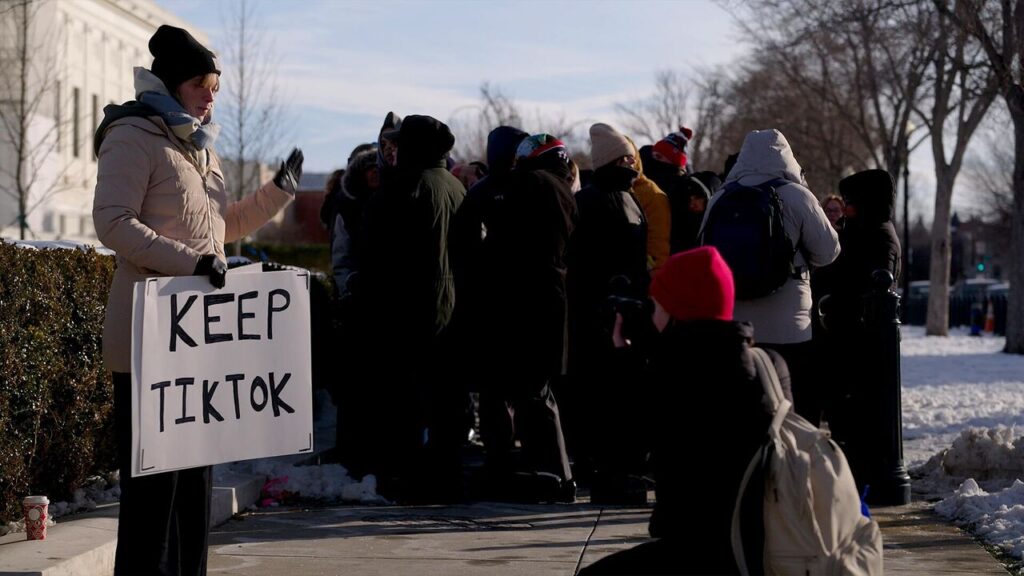
Being able to post to social media is a form of free speech; to infringe on that right is a violation of the First Amendment of the United States Constitution. At least, that is what both TikTok and the eight TikTok creators who took their case to the US Supreme Court argued. In the documentary “TikTok Never Dies”, which premiered at the Tribeca Festival in New York on June 4th, viewers heard from popular TikTok creators Steven King (@btypep), Chloe Joy Sexton (@chloebluffcakes), and Topher Townsend (@tophertownmusic) as they let viewers know how much the platform has changed their lives. Chloe, for example, lost her job because she was pregnant and used TikTok to start a successful cookie company while supporting her younger sister after her mom passed away from cancer.
So when the United States government decided that TikTok was a threat to national security and that it wanted ByteDance to either sell the platform to an approved buyer or be shut down, these TikTok creators — and other TikTok users across the country — were up in arms. Aside from the issue of TikTok being these creators’ livelihoods, many of them simply didn’t want to go back to using Meta’s platforms. In Steven’s words, “Nobody wants to go back to Facebook. Nobody wants to go back to Instagram. We left them because they fucking suck.”
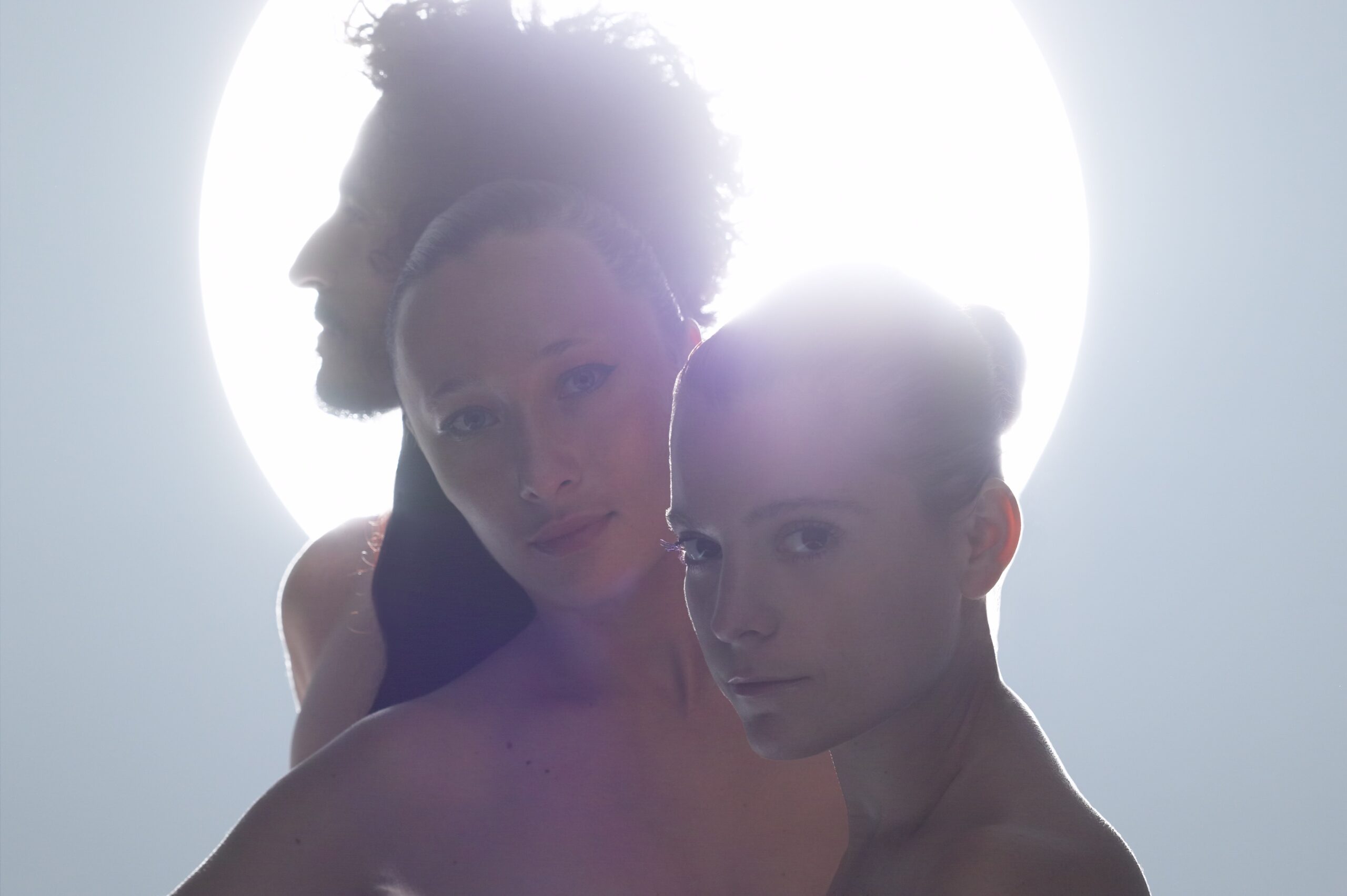
“Miss Representation: Rise Up”, which premiered at the Tribeca Festival on June 7th, agrees in its own way that the different social media platforms all suck. The documentary, a follow-up to filmmaker Jennifer Siebel Newsom’s successful 2011 documentary “Miss Representation”, makes the case that social media and other newer technological tools work to amplify misogyny and hostility toward the progression of women and girls. Teenage girls are being bullied online through social media. Female politicians and political candidates are being harassed with the hope of silencing their voices. Artificial intelligence has led to the proliferation of deepfakes, which are online content created or edited using AI to appear as someone or something that it’s not. Social media and artificial intelligence have combined to create a world where nothing can be trusted and nowhere is safe for women and girls.
Other problems with AI listed in the documentary include AI being more likely to take womens’ jobs and AI inheriting the biases of what’s online due to the nature of how the Internet works. You can see where this is a problem. If, for example, a woman goes to apply for a job, an AI is most likely going to scan her resume before a human ever touches it (as it also would for men). If AI is already predisposed to have a bias against women, then that puts her at a strong disadvantage in the hiring process. And since AI is also more likely to take womens’ jobs, that is doubly insulting.
Looking back at social media, though the use of it is a form of free speech, it does hurt a lot of people – more often, women and girls.
But that isn’t an excuse to ban entire platforms.
To outright (or effectively) ban a platform is a form of government overreach that we shouldn’t make a habit out of entertaining. Arguably, banning TikTok was never about national security, as we discussed on Episode 060 of The Manic Metallic Podcast. The US simply wanted to control the platform — and the country got its wish with the sale of TikTok US to TikTok USDS Joint Venture LLC, an ownership team which includes the Larry Ellison-owned Oracle. This is the same Larry Ellison that owns a stake in Paramount Skydance, which he helped his son David to purchase and which seeks to purchase Warner Brothers Discovery. The dealings of TikTok’s ownership team are worth diving into because it illustrates the influence that one family will have over our collective media discourse. It also shows how flimsy that the US government’s excuse was of forcing a sale under threat of a ban for “national security” purposes. It was about power and control. We must not allow these instances of government overreach to become common.
The ability to use these social media platforms as political propaganda tools might be the most dangerous use of all. TikTok was saved from being banned in part because President Donald Trump (then a candidate) decided that he liked using it after years of threatening to ban it himself. One particular viral video & dancing trend from the 2024 US presidential election season about eating dogs and cats likely contributed to Trump’s popularity with younger people. Never mind that the music clip was from Trump making a disgusting remark in a debate with Democratic candidate Kamala Harris that Haitians were eating dogs and cats. People thought it was funny, and it became a part of Trump’s lore.
And who can forget the Cambridge Analytica scandal involving Facebook, where a British political consulting firm accessed Facebook data for millions of people in the US and UK in order to influence elections? Or Instagram’s consistent failure to protect young children from cyberbullying? Or X’s tolerance of white supremacists and pro-Nazi accounts?
It truly might be time to ask whether these platforms are worth continuing to use.
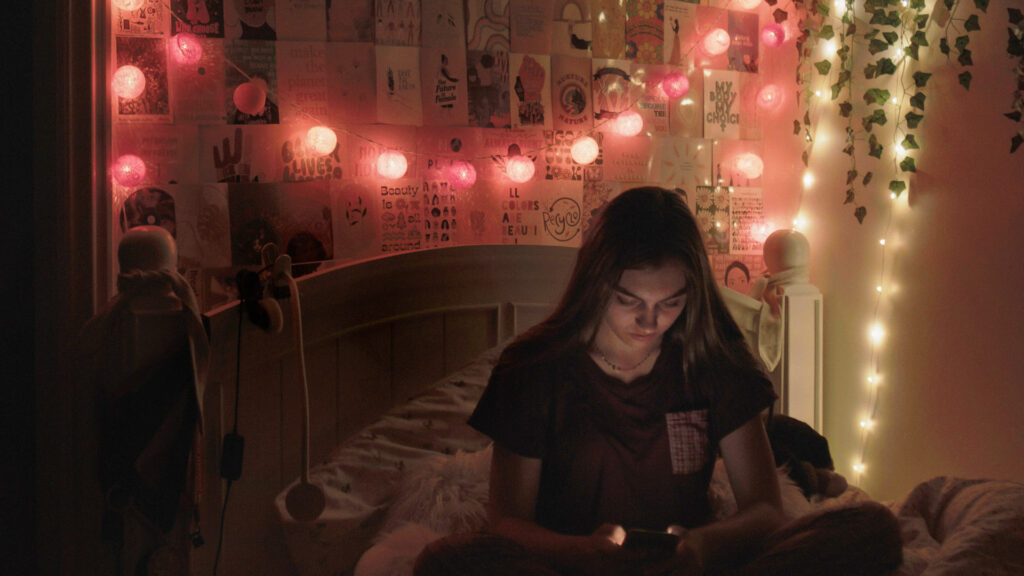
As for the harassment that women and girls face online, the hate will simply follow you offline. We live in a hateful and misogynistic society, and the way that people act in the online world tends to be a reflection of the attitudes that people hold in the real world. It does not help us to hide behind ridding ourselves of these technologies. We need to continue addressing misogyny in our non-online lives in order for more civilized attitudes to take hold online.
We also need to repeal Section 230 (as suggested in “Miss Representation: Rise Up” by former Secretary of State Hillary Rodham Clinton), because if we would begin holding companies accountable for what is posted to their platforms, we would very quickly see a change in what type of behavior is allowed to continue unabated on platforms like X and Instagram. Regarding AI deepfakes, it might surprise some to learn that the US government passed a bill in 2025 — the TAKE IT DOWN Act — to combat the publishing of revenge porn along with deepfakes. Tech is basically the Wild West, as there is almost no regulation set to rein them in, so seeing government action is encouraging. Age verification laws that have been in the public discourse recently sound like a good idea — that is, until you realize that enacting these laws raise legitimate privacy, surveillance, and discrimination concerns. Governments should consider tabling this idea and going back to the drawing board.
Nothing will ultimately improve online until we have data protection laws in the United States similar to those of other countries (and some US states like California). Online safety should be a priority, but not at the expense of citizens’ ability to maintain privacy. Though there is no explicit right to privacy in the US Constitution, there should not have to be — allowing citizens to have privacy is the humane thing to do. We should ask ourselves why TikTok was targeted as an unsafe, untrustworthy platform when Facebook, Instagram, X, and others (which happen to be US owned) have broken the trust of their users through surveillance & data extraction and facilitated the harassment of its users. Every one of these social media and AI companies need to be regulated equally, and both the safety and privacy of users should be prioritized.
In the meantime, the most effective way to combat the issues experienced in the online world is to go and touch grass. Looking at the many problems with being online these days, it is easy to see why so many have been moving towards analog culture in 2026. While we might not quite be at a point where we can all abandon the Internet wholesale, it might be worth putting down our phones and laptops for a while. Learn to market our businesses offline. Hang out with our friends and family offline. Take a walk down the street without staring into our phone screens and bumping into someone walking towards us. Be a part of the real world.
It might make the online world that much better when we do decide to use it.
To subscribe to Manic Metallic‘s Substack newsletter, click here.