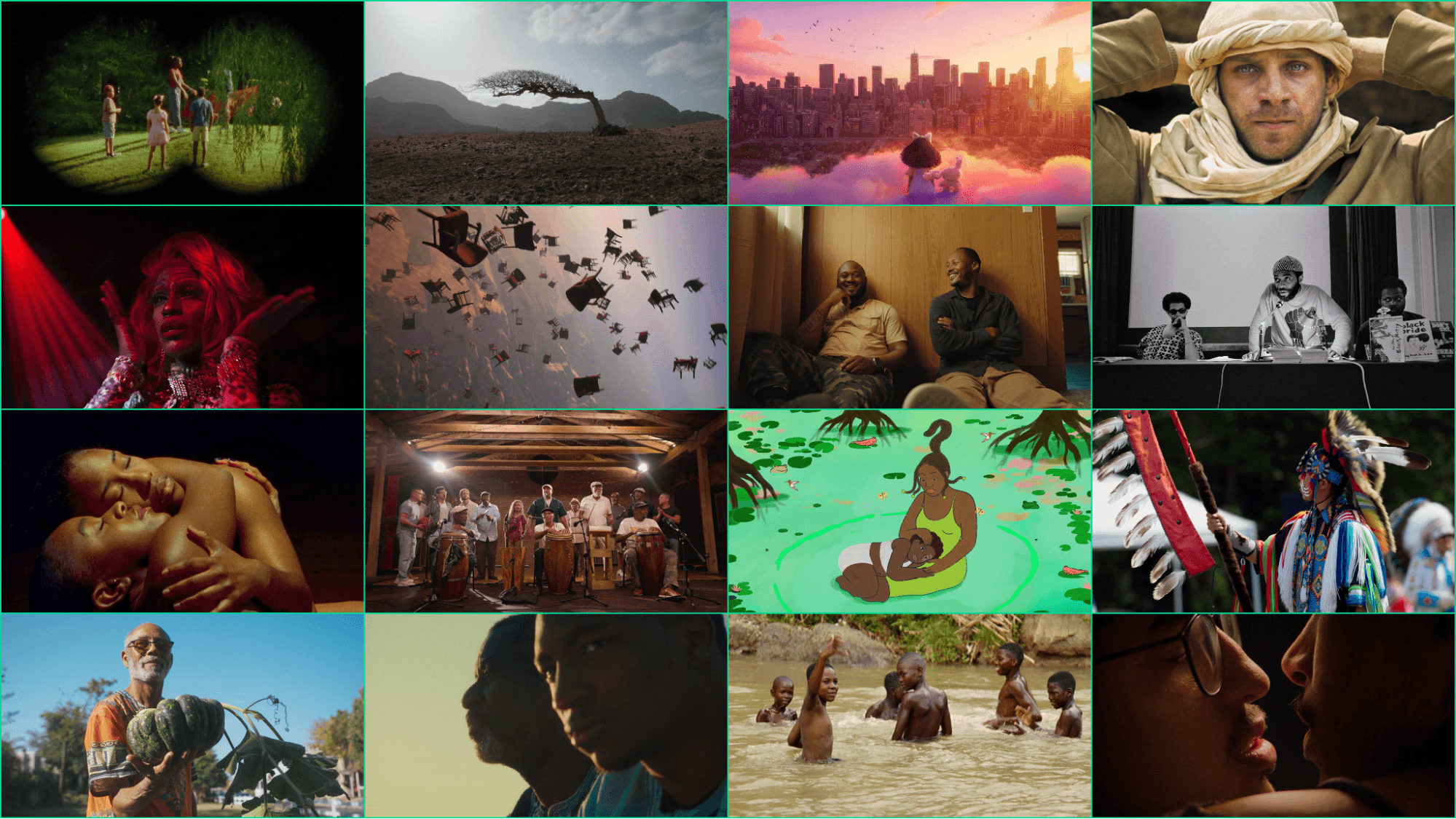
The 15th edition of the BlackStar Film Festival concluded recently in Philadelphia, and many of the films — true to BlackStar’s ethos of elevating the films of people of color while standing up to historically unbalanced power structures — carried a thread of what happens to the targets of inequality when an unequal world has been allowed to persist for so long. How does it affect the lives of the people who have to live under these unfair systems? How do they survive, and how do they continue to form bonds within their communities? The five films below each address these questions in their own ways.
Variations on a Theme
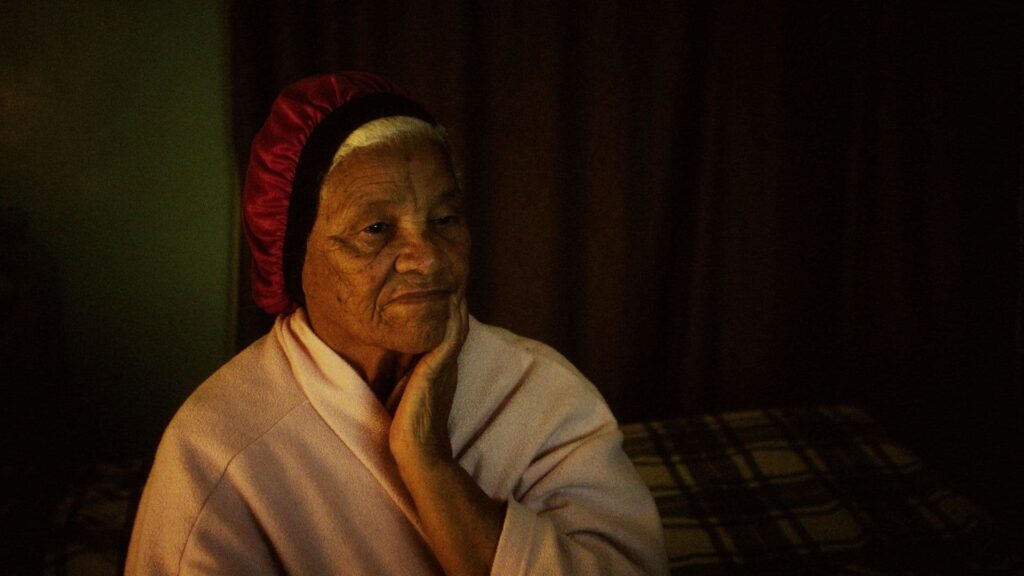
“Variations on a Theme”, the BlackStar Film Festival’s winner for Best Feature Narrative, is about Hettie, a goat herder living a life of solitude in Namaqualand whose family wants her to come and live with them in the city. Though she and the other citizens in the town don’t seem to be financially desperate on the surface, Namaqualand residents’ need for money is clear when they fall prey to a government scam and other seemingly easy ways to obtain wealth. Most of the lighting that comes into the home when Hettie is alone is natural light, while the physical darkness of the home is aided by light when her family arrives to celebrate her 80th birthday. As much as she seems to prefer to be alone, the company of her family did brighten her mood. “Variations on a Theme” is quietly beautiful and symbolically rich. The repetition in shooting the same scenes day after day instilled a calm over the film. The camera, for example, would choose to linger on her cat for a good five seconds while it meandered about its day in the evening light. There can, in fact, be comfort in routine.

Aanikoobijigan
What happens when some of our most well-respected cultural and educational institutions refuse to return what is not ancestrally theirs? That is the crux on which “Aanikoobijigan” rests as it attempts to inform the viewer of how many names that they might recognize — Michigan State University (MSU), the Smithsonian, and the Peabody Museum at Harvard University are some of the names mentioned by the indigenous repatriation specialist group MACPRA as being difficult to work with regarding the repatriation process of Native American ancestral remains and associated funerary objects — are complicit in withholding these sacred belongings. The deft use of music in the film to set the tone is noticeable, carrying an ominous note throughout the documentary and picking up when it wants the viewer to feel when something is especially wrong. For example, the juxtaposition of scenes from MSU’s Spartan Stadium including fans joyously cheering on game day with scenes from the dark, cluttered repository under Spartan Stadium where Indigenous remains were kept was striking — and the somber music told you how to feel.
And She Didn’t Die
“Exile is the loss of self.”
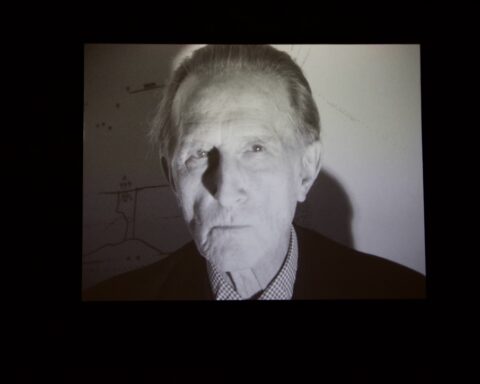
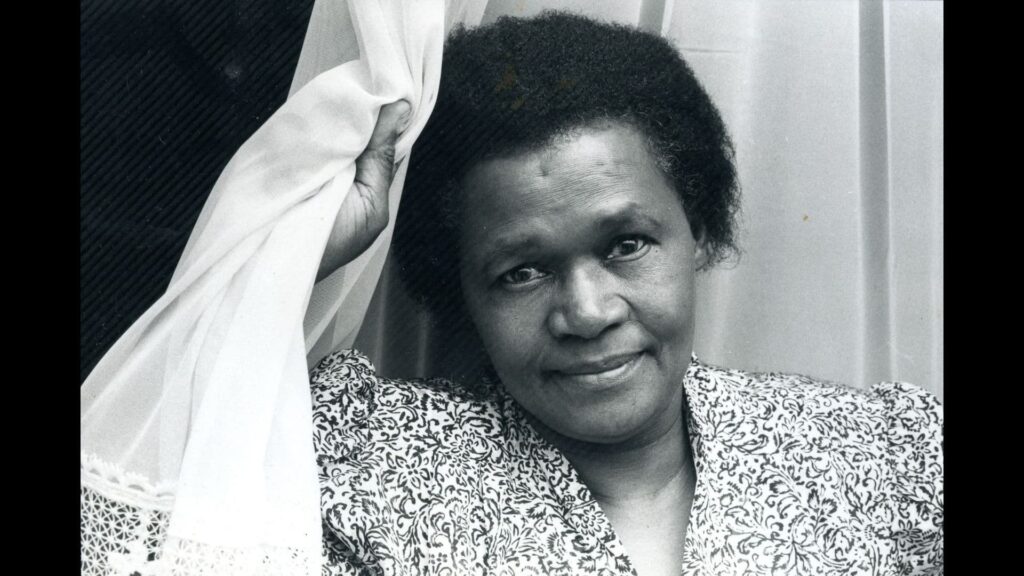
“And She Didn’t Die” is about the life of Lauretta Ngcobo, a South African revolutionary and writer who raised her children in exile and became stronger in the process. Directed by Ngcobo’s daughter Kethiwe, it uses a combination of archival footage and re-enactments to trace the long arc of Lauretta’s life from being a child who became interested in writing after becoming aware of apartheid to being a courier for the Pan-African Congress, only to be forced into raising her kids in exile in multiple African countries before eventually landing in the United Kingdom. Though the UK was important to her, allowing her to teach for 25 years while raising her feminist consciousness and publishing her first book, Lauretta longed to return home to South Africa. Her story is another occurrence of how Black people in racist countries have to leave their home in order to obtain the success that they deserve. This was quite common in 20th-century America, with Black people going to Europe to build their careers. But usually they returned home — just as Lauretta did.

An Incomplete Calendar
Making its North American premiere, “An Incomplete Calendar” tells of the origin story of OPEC (Organization of the Petroleum Exporting Countries), and how that history intersects with art and culture. It uses both rediscovered songs and older footage to tell the story of “Rhymes and Songs for OPEC”, a musical created in 1980 by the Concert Choir of Central University of Venezuela that marked the 20th anniversary of OPEC. The film displays two parallel, but connected narratives: to give the viewer overall arts and cultural history of OPEC member countries, and to use the concert choir as the leading example of that arts and culture history. There are other examples to point to, though, with the use of artwork on postal stamps to spread their vision for oil and the peculiar (but frequent) connection of artist Alexander Calder with oil wealth. OPEC united countries in Asia, Africa and Latin America, creating a solidarity between member countries and helping them to invest in the Palestinian liberation effort. The interference of Western countries who were historically colonialist reared its head, however, as is so often the case, weakening those carefully built ties.
Let Them Be Seen
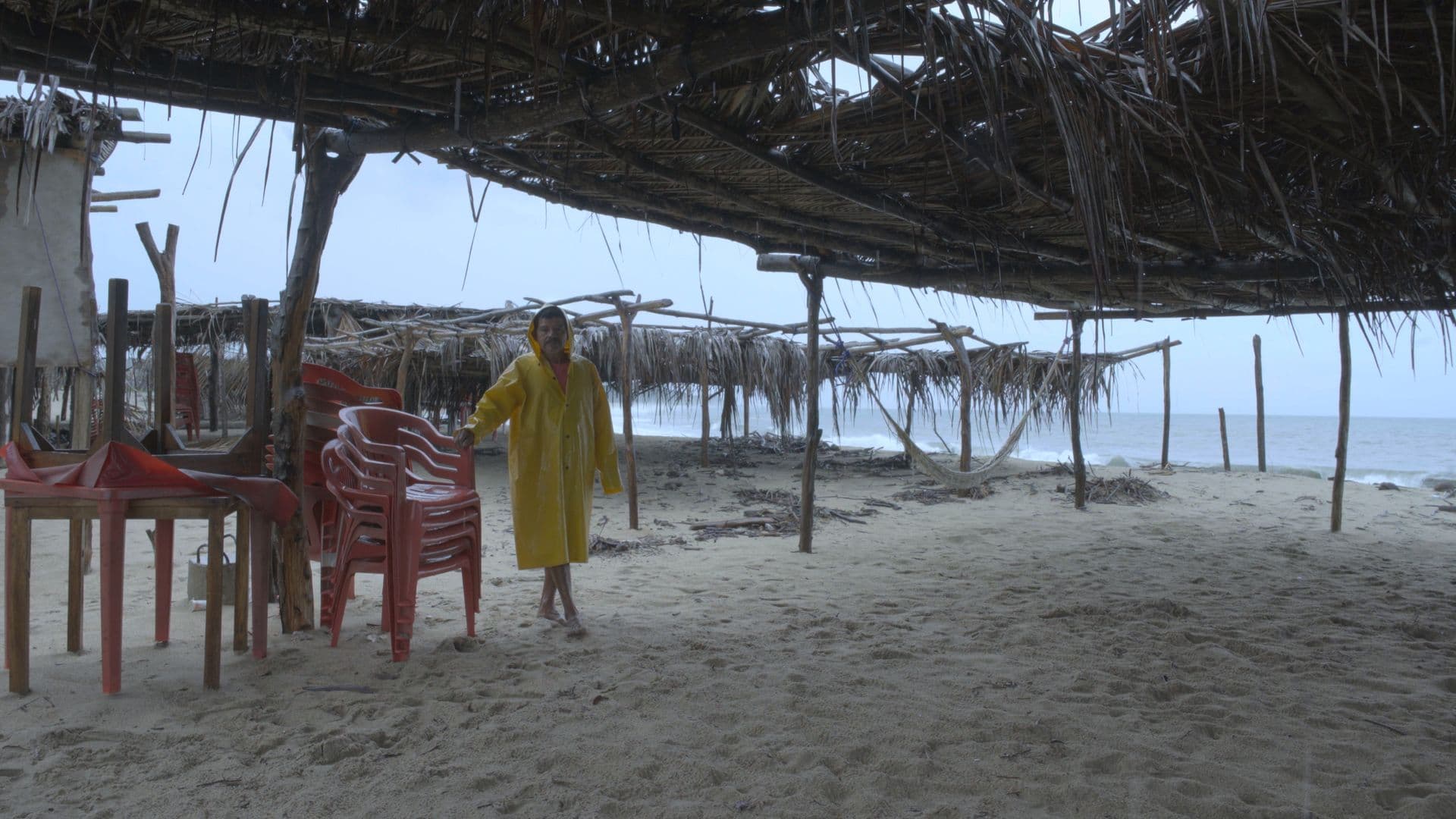
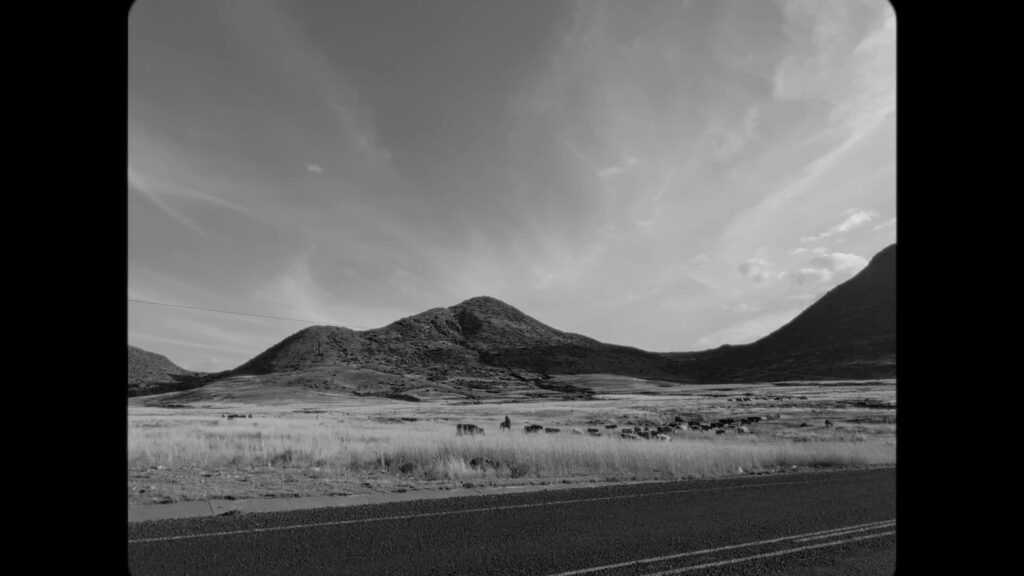
You knew that “Let Them Be Seen” was going to be a different sort of film when, towards the beginning, an eccentric woman with red hair starts introducing you to her family — and that family consists of many cows and sheep along with a couple of people. And it is different: it frequently experiments with its shooting style, switching between black-and-white and color; clear and pixelated; and straight-on shots versus shooting diagonally and from below. You can feel the depth of the land when the camera lingers on the landscape, but you can also feel the emptiness of rural South Africa. You would never truly know what’s going on in this film if you didn’t read the description beforehand, so it helped to attend the Q&A and have director Nolitha Refilwe Mkulisi explain her process. The idea of the “camera as salvation” in a film that was essentially a film on the role of religion in post-apartheid South Africa elucidated a lot — and a lot more suddenly made sense. If you can accept that “Let Them Be Seen” has the vibe of being one big experiment, then it is well worth your time to see.
To subscribe to Manic Metallic‘s Substack newsletter, click here.