In a recent issue of The Manic Metallic Substack Newsletter, we discussed the concept of “faith without works is dead”. Let’s take the opportunity to dive deeper into that concept.

Faith Without Works Is Dead
For those unaware of the origin of this phrase, it is a biblical verse from James 2:26. I am not a religious person by any stretch, but this phrase is fairly emblematic of what I believe to be true about today’s fashion industry.
Faith and belief are similar concepts, and we will use them here interchangeably. If you believe in something (if you have faith, that is), you need to take action on the thing that you believe in or your belief is not useful. I have always believed in the power of fashion as an art, discipline, and societal force for change, and I bring that belief into Manic Metallic’s work. However, much of what Manic Metallic currently does lies securely in the art and discipline arenas.
It is obviously a belief of Manic Metallic at its core that you can affect change via articles and conversations. We also believe that building a strong knowledge base can launch others who absorb the knowledge being spread into creating change of their own.
But that is not happening in the fashion industry at large, and as Manic Metallic’s founder, I want to position Manic Metallic to be a more direct part of solutions to problems of our time.
I want us to continue leaning more into the “force for societal change” part of our tagline.
I want us to take on more of a role in both driving and enacting concrete solutions as those solutions relate to sustainability, diversity, technology, and other pressing issues.
We’ve talked before about how, in fashion and other cultural spaces, people in those arenas will see a problem and plan a panel to talk about said problem. Or we will see an issue, and we will say to ourselves, “You know what we should do? We should convene a summit or a conference! That’ll solve it!” (whatever ‘it’ happens to be at any given point in time)
Or we’ll record a podcast episode, or write an article, and then we believe that our work is done.
And the work is not done. And those of us in fashion — from media personnel and designers to event planners, marketers and PR companies — very well know this to be true. So why do we continue having these conversations that ultimately lead to…..another conversation? And much of the time during this ceaseless cycle, a large portion of us aren’t even making enough money off of which to survive.

How The Recent Fair Pay Conversation In Fashion Demonstrates Our Failure To Solve Problems For Both Ourselves and the General Public
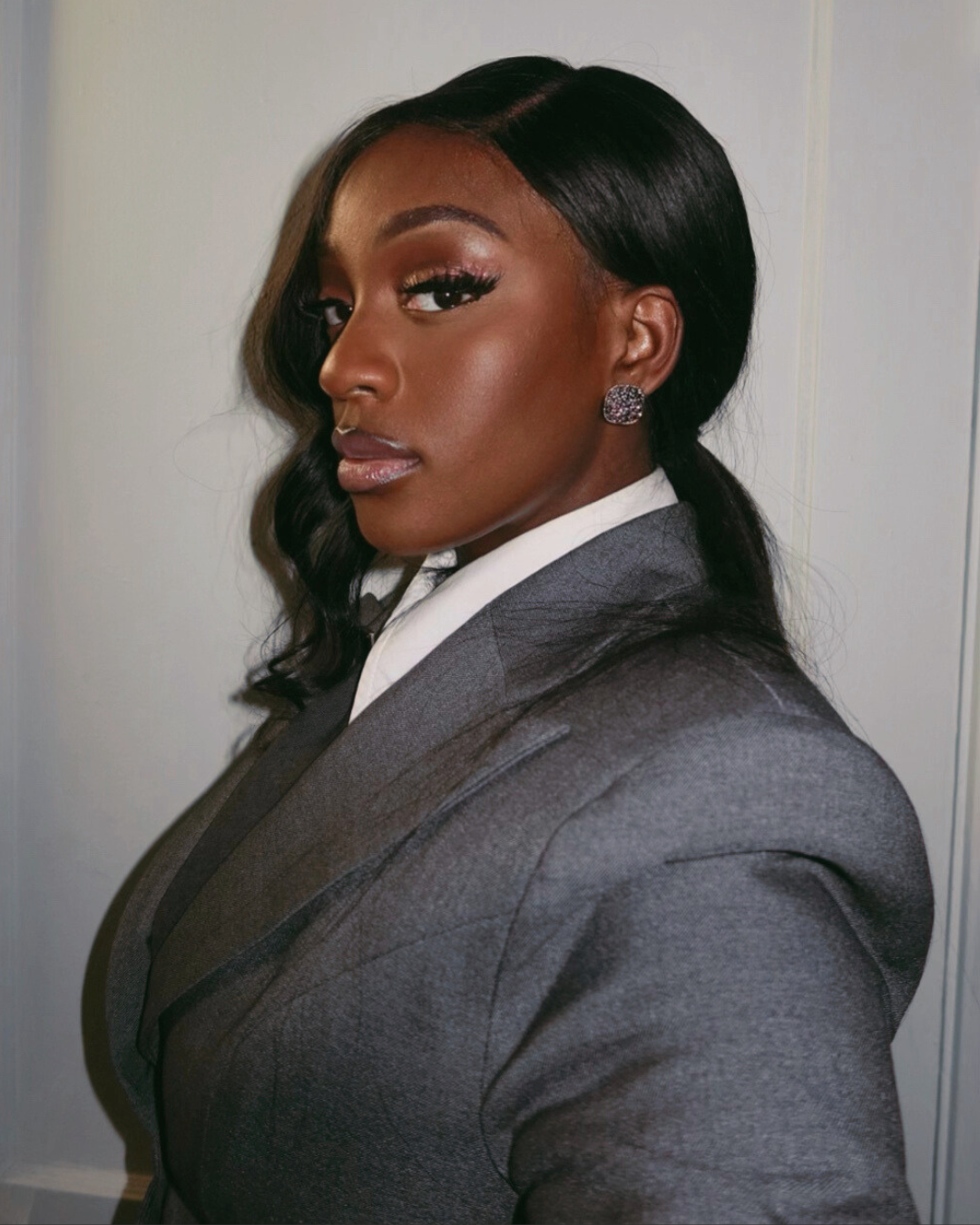
Regarding the issue of fair pay, look no further than the conversation over the past couple of weeks around $55k Gate regarding a Cutting Room Floor job posting. Now, there is a part of the outrage at podcast host Recho Omondi — which seems to have simmered down for now — that is beyond absurd, especially because those in fashion (and indeed, other creative fields) know all too well that this industry pays its participants in dust and has never actually been a place where the majority of its workers are paid a living wage. But it revealed to members of the general public who might not be as familiar with fashion’s paltry salaries that, despite the luxurious lifestyle that the industry promotes in its advertising, the average person who works in fashion is not paid fairly relative to the labor that they undertake.
I fell in love with fashion from a very young age (eight, to be exact), and could picture nothing more than being in the industry, attending fashion weeks, being able to help everyday people outfit themselves in clothing that helps them to express themselves to the best of their abilities, getting to see these fantastic garments up close & getting to know the stories of those who design and create said garments, traveling the world, writing about all of it for those with an interest in fashion…..and the list goes on.
I feel that many in fashion have similar origin stories of how we came to be interested in this maddening but fascinating industry, if the podcast interviews that I have done for The Manic Metallic Podcast have been any indication. But the financial side of surviving in this industry is not nearly as beautiful as the wares which we present to the public. If we cannot solve the problems in fashion that affect us personally — like fair pay for workers — how can we expect to be able to adequately solve problems for those who we deem as our audience and customer base? We are not only failing the public — we are failing ourselves.
The industry as a whole is not meeting the moment and proposing real, concrete solutions to issues facing us in the times in which we live.

What are some of those issues? There are many, but let’s focus on three:
- Climate change and all of its offshoot problems
- The encroachment of technology into all areas of our lives
- The constant quest to achieve true diversity and representation in fashion — from body size to race and gender (and everything in between)
Let’s zero in on fast fashion. Fast fashion is clearly a problem, but the consumer base isn’t willing to let it go because they simply do not see themselves as having the money to purchase more sustainable clothing. Manic Metallic actually released an article last year with sources for affordable sustainable fashion under $100. We also released a podcast episode with our proposed solution to this particular issue and others involved with the sustainability crisis: Episode 035 of The Manic Metallic Podcast. Now, with Manic Metallic being ‘fashion media’ at its core, releasing pieces of media that we believe to be impactful is a large part of the job description.
But we must do more — all of us, in each of our corners of fashion (or whatever creative industry in which you happen to be).
Let’s backpedal, then, to the beginning of the article when I mentioned wanting Manic Metallic to “take on more of a role in both driving and enacting concrete solutions as those solutions relate to sustainability, diversity, technology, and other pressing issues”
This summer, I have spent time working on concrete solutions that I believe have the ability to move the needle for both a fair amount of people in the fashion industry & other creative professions and the general public.
Now, how are we defining a “concrete solution” here? Something that engages more directly — in a more specific way — with those that you are aiming to help. Something that allows you to measure impact more distinctly than, say, releasing a post on Instagram and hoping that it helps someone.
I want to emphasize that one fashion company cannot change the world on its own — and no one solution will change everything wrong with society — but with each repeated effort made in the quest of solving targeted issues, we can do our part to change society.
Here is a link to our list of editorial + creative offerings. This list contains a mixture of solutions and ways to engage with Manic Metallic to support our mission of promoting fashion as an art, discipline, and societal force for change.
I will be focusing on different points on that list over the coming weeks, but what I am directing the spotlight toward right now is this: A product that acknowledges the fact that many creatives despise what artificial intelligence is doing to creative professions, but also addresses the reality of how to use AI in a useful way since this technology isn’t going to disappear anytime soon:

How To Use AI Without Selling Your Soul: A Guide For Creatives
How To Use AI Without Selling Your Soul: A Guide For Creatives is a multimedia guide for creatives who want to learn how to support their creative process using artificial intelligence.
Combining audio, video, and written formats, you will learn how we at Manic Metallic use these technologies to help us do our work – and how you can adapt our methods for your own creative efforts.
I do want to make something very clear: neither I nor Manic Metallic is advocating for creatives to use AI for their core creative work!
If you are a creative, then presumably you know how to create from your own well of inspired ideas. I would never recommend that you allow our computer overlords to take that territory away from you.
We want to help those of you who own creative businesses and those who otherwise work in creative professions to learn how to use AI in a way that allows you to focus on your core creative work by working with AI LLMs to assist you with tasks that aren’t central to that core work.
If that sounds good to you, you can learn more about the guide and grab a copy here: https://manicmetallic.com/product/how-to-use-ai-without-selling-your-soul-a-guide-for-creatives-product/
Keep checking back with Manic Metallic on our website, our Substack newsletter, and our other online media channels to keep up with our rollout of other solutions that we’ve generated — and other new ones that we come up with in the future.
To subscribe to Manic Metallic‘s Substack newsletter, click here.